
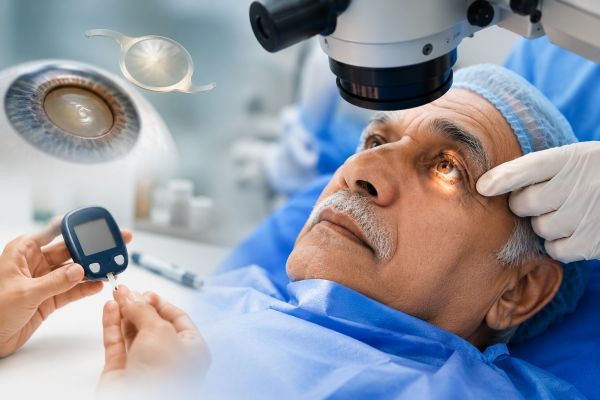
Diabetes affects millions of people worldwide, and one of its most common complications is vision-related problems. People with diabetes are at a higher risk of developing cataracts at an earlier age compared to those without the condition. While cataract surgery is a safe and highly effective procedure, diabetic patients require additional evaluation and careful management before and after surgery to achieve the best possible outcomes.
If you have diabetes and are considering cataract surgery, understanding the process and the precautions involved can help you make informed decisions. Consulting an experienced ophthalmologist in Gurgaon [https://amritsareye.in/] is the first step toward protecting your vision.
Why Are Diabetic Patients More Likely to Develop Cataracts?
A cataract occurs when the natural lens of the eye becomes cloudy, causing blurred vision, glare, difficulty reading, and poor night vision. High blood sugar levels can lead to changes in the eye's lens, accelerating cataract formation.
Diabetic patients may experience:
-
Blurred or cloudy vision
-
Increased sensitivity to bright lights
-
Difficulty driving at night
-
Faded or dull colours
-
Frequent changes in eyeglass prescription
Since these symptoms can also overlap with diabetic eye diseases, a comprehensive eye examination is essential before deciding on surgery.
Is Cataract Surgery Safe for Diabetic Patients?
Yes. Cataract surgery is generally very safe and has a high success rate, even for people with diabetes. However, the overall outcome depends on the health of the retina and how well diabetes is controlled before surgery.
A skilled best dr for cataract surgery in Gurgaon will evaluate:
-
Blood sugar control
-
Overall eye health
-
Presence of diabetic retinopathy
-
Macular swelling (diabetic macular oedema)
-
Other eye conditions such as glaucoma
Proper pre-operative assessment helps reduce complications and improves visual recovery.
The Importance of Retina Evaluation Before Surgery
One of the biggest concerns for diabetic patients is diabetic retinopathy, a condition that damages the blood vessels of the retina. In some cases, cataracts can make it difficult for doctors to assess the retina properly until after surgery.
A detailed retinal examination may include:
-
Dilated fundus examination
-
Optical Coherence Tomography (OCT)
-
Fundus photography
-
Fluorescein angiography (when required)
If diabetic retinopathy or macular oedema is present, your doctor may recommend diabetic retinopathy treatment before or along with cataract surgery to optimise vision outcomes.
How Diabetes Can Affect Cataract Surgery
Although cataract surgery itself is similar for diabetic and non-diabetic patients, diabetes may increase the risk of:
-
Slower healing
-
Post-operative inflammation
-
Macular oedema
-
Progression of diabetic retinopathy
-
Temporary fluctuations in vision
Fortunately, with modern surgical techniques, advanced intraocular lenses, and appropriate post-operative care, most diabetic patients achieve excellent visual improvement.
Preparing for Cataract Surgery
Before your procedure, your eye surgeon may advise you to:
-
Keep blood sugar levels under good control.
-
Continue taking prescribed diabetes medications unless instructed otherwise.
-
Inform your doctor about all medications and medical conditions.
-
Complete all recommended eye tests.
-
Follow fasting or medication instructions provided before surgery.
Managing diabetes effectively before surgery significantly lowers the risk of complications.
What Happens During the Procedure?
Modern cataract surgery is performed using small incisions and advanced phacoemulsification technology. The cloudy natural lens is removed and replaced with a clear artificial intraocular lens (IOL).
The surgery usually:
-
Takes around 15–30 minutes.
-
Is performed under local anaesthesia.
-
Does not require hospital admission in most cases.
-
Allows patients to return home the same day.
Your surgeon will select the most suitable lens based on your eye health and visual needs.
Recovery After Cataract Surgery
Most patients notice clearer vision within a few days, although complete healing may take several weeks.
To ensure smooth recovery:
-
Use prescribed eye drops regularly.
-
Avoid rubbing your eyes.
-
Protect the eye from dust and water.
-
Avoid heavy lifting for a short period.
-
Attend all follow-up appointments.
Diabetic patients may require more frequent follow-up visits to monitor retinal health after surgery.
When Is Additional Retina Treatment Needed?
Some diabetic patients may need retinal treatment either before or after cataract surgery.
Depending on the severity of retinal disease, your eye specialist may recommend:
-
Anti-VEGF injections
-
Laser photocoagulation
-
Steroid injections
-
Vitrectomy in advanced cases
Timely diabetic retinopathy treatment helps preserve vision and prevents long-term complications that cataract surgery alone cannot correct.
Tips for Better Surgical Outcomes
You can improve your chances of successful cataract surgery by:
-
Maintaining stable blood sugar levels.
-
Keeping blood pressure and cholesterol under control.
-
Following your diabetes care plan.
-
Scheduling regular retinal examinations.
-
Reporting any sudden vision changes immediately.
Good diabetes management supports both surgical recovery and long-term eye health.
Final Thoughts
Cataract surgery can significantly improve the quality of life for diabetic patients by restoring clearer vision and enhancing daily activities. However, diabetes requires a more personalised approach before, during, and after surgery. A detailed retinal evaluation, good blood sugar control, and timely management of diabetic eye disease all contribute to successful outcomes.
If you are experiencing blurred vision or have been diagnosed with cataracts, consult an experienced ophthalmologist in Gurgaon for a comprehensive eye examination. Choosing the best dr for cataract surgery in Gurgaon [https://amritsareye.in/our-services/cataract-surgery-in-gurgaon/] ensures that both your cataracts and any underlying retinal conditions receive expert attention. When needed, prompt diabetic retinopathy treatment can further protect your vision and help you enjoy the best possible results after cataract surgery.






