
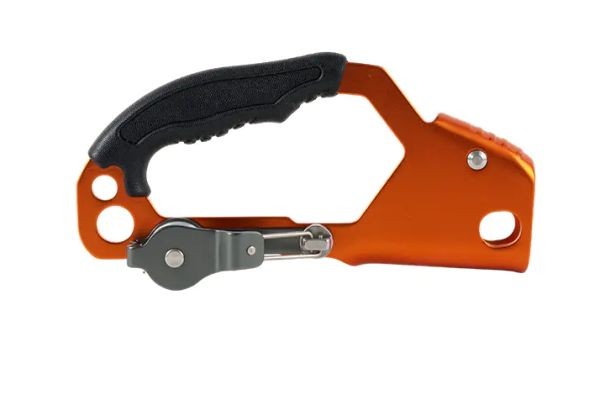
Rope ascending efficiency comes down to system design, and no component influences that system's ergonomics more directly than the chest ascender. Climbers who have spent hours fighting their way up a rope using only hand ascenders understand the exhaustion that poor technique and inadequate equipment produce. Introducing a properly fitted chest ascender into that same scenario transforms the experience entirely — distributing effort across the whole body, reducing arm fatigue dramatically, and allowing a sustainable climbing rhythm that makes long vertical pitches genuinely manageable.
Chest ascender design has evolved considerably since the earliest rope-gripping devices appeared in caving and mountaineering communities. Contemporary models feature lightweight aluminum frames that reduce equipment weight without sacrificing structural integrity. Ergonomic rope entry gates allow fast rope loading even when wearing gloves in cold or wet conditions — a practical detail that matters enormously in real-world field situations. Low-profile frame geometry keeps the device close to the body, preventing the chest ascender from snagging on rock surfaces, rope bags, or equipment during movement.
Certification standards provide an important baseline for chest ascender selection. Equipment certified to recognized industrial and recreational standards has passed documented load testing, drop testing, and fatigue cycling that verify performance under defined conditions. Purchasing a chest ascender from a reputable manufacturer that publishes full certification documentation gives users justified confidence that the device will perform as expected when it matters.






