
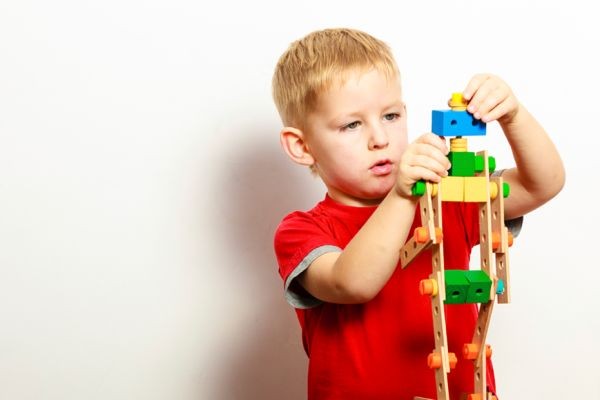
Selecting the right toys for children is no longer as simple as picking a colorful item from a shelf. In the modern Pakistani context, where the educational landscape is becoming increasingly competitive and digital, parents are looking for playthings that offer more than just a few minutes of distraction. The right choice of toys acts as a fundamental building block for a child’s cognitive, emotional, and physical development.
The Evolving Landscape of Play in Pakistan
Historically, the Pakistani toy market was dominated by simple dolls, cricket sets, and imported plastic cars. However, with the rise of dedicated e-commerce platforms and a growing awareness of early childhood education (ECE), the focus has shifted toward STEM (Science, Technology, Engineering, and Math) and sensory play. Parents in urban centers like Lahore, Karachi, and Islamabad are now prioritizing toys that stimulate the brain, such as the LED Display Laptop for Kids or complex building blocks, over passive entertainment.
Developmental Milestones: Choosing by Age
The first rule of toy selection is ensuring the item matches the child's developmental stage. A toy that is too complex will cause frustration, while one that is too simple will lead to boredom.
-
Infants (0–12 Months): At this stage, toys should focus on sensory stimulation. Soft plushies with high-contrast colors, rattles, and textured balls help babies develop their sight, hearing, and touch.
-
Toddlers (1–3 Years): This is the age of exploration and motor skill development. Push-and-pull toys, simple puzzles, and stacking rings are essential. In Pakistan, colorful ride-on cars remain a favorite for developing leg strength and coordination.
-
Preschoolers (3–5 Years): Creativity and social play take center stage. This is the ideal time to introduce items like a Kids Study Table with Side Storage, providing them with a dedicated space for drawing and basic writing. Art supplies, play kitchens, and "pretend play" kits help build the imagination.
-
School-Aged Kids (6–12 Years): As children enter school, their interests become more specialized. This is the prime age for STEM kits, such as the Bulb And Fan Electric Science Experiment Kit. These toys move beyond play, teaching the basics of physics and circuitry that align with their school curriculum.
The Importance of Safety and Material Quality
In the Pakistani market, parents must be vigilant about the quality of materials. Many locally available toys may not adhere to international safety standards, leading to risks from sharp edges or toxic lead-based paints. When selecting toys, look for:
-
Non-Toxic Certifications: Ensure the plastic is BPA-free and the paints are child-safe.
-
Size Appropriateness: Avoid small parts for children under three to prevent choking hazards.
-
Durability: Given the active nature of children, toys made from high-quality, sturdy plastic—like those curated at specialty stores—are more likely to survive the "rough and tumble" of daily play.
Balancing Technology and Physical Play
The "Digital Pakistan" initiative has brought technology into almost every home, and this is reflected in the toy industry. Electronic learning aids, such as bilingual tablets and interactive laptops, are excellent for teaching English and Urdu vocabulary. However, the key is balance.
While an electronic toy can build cognitive skills, a physical board game or a set of building blocks builds fine motor skills and patience. For example, using an Acrylic LED Writing Board allows a child to blend technology (the glow of the LEDs) with the physical act of handwriting, bridging the gap between the screen and the page.
Creating a Learning Environment at Home
Toy selection is also about the environment you create. A child’s room should not be a cluttered graveyard of broken plastic. Instead, it should be a curated "learning zone." Utilizing furniture that serves a dual purpose, such as a study table with integrated storage, allows children to learn the value of organization. When a child has a specific place to keep their stationery and science kits, they are more likely to respect their tools and engage in "deep play"—the state where the most significant learning occurs.
Supporting the Local Economy and Smart Shopping
While international brands are popular, there is a growing trend of specialized e-commerce stores in Pakistan that curate high-quality products specifically for the local market. Shopping from these platforms often provides parents with better customer support and products that are tailored to the specific educational needs of Pakistani students.
When shopping, consider the longevity of the toy. A high-quality science kit or a sturdy desk is not just a purchase for today; it is an investment that can be used for years, often being passed down to younger siblings.
Conclusion
The choice of toys for kids in Pakistan today is a reflection of a parent's aspirations for their child's future. By selecting toys that are age-appropriate, safe, and educationally stimulating, you are giving your child the best possible start. Whether it is a simple set of blocks or a complex electric experiment kit, the goal remains the same: to turn playtime into a journey of discovery.
As you build your child's toy collection, remember that the best toy in the world is one that encourages them to ask "Why?" and "How?"—sparking a flame of curiosity that will last a lifetime.






