
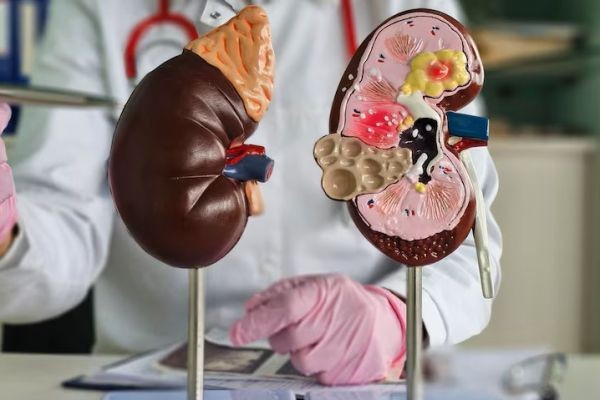
Acute kidney failure, also known as acute kidney injury (AKI), is a sudden loss of kidney function that can develop over hours or days. It prevents the kidneys from filtering waste, balancing fluids, and regulating electrolytes effectively. Understanding the underlying causes is essential for timely diagnosis and treatment. For a more comprehensive overview of kidney failure, including symptoms, diagnosis, and management strategies, check out this guide on causes of Acute Kidney Failure.
Acute kidney failure can affect anyone but is most common in hospitalized patients or those with existing health conditions. Identifying the root cause is critical because it directly influences treatment strategies and outcomes.
What Is Acute Kidney Failure?
Acute kidney failure occurs when the kidneys suddenly become unable to filter waste products from the blood. This leads to a dangerous buildup of toxins and fluid imbalances that can affect the whole body. Symptoms may include:
- Decreased urine output
- Swelling in legs, ankles, or around the eyes
- Fatigue and confusion
- Nausea and vomiting
- Shortness of breath
Prompt evaluation and treatment are essential to prevent permanent kidney damage or life-threatening complications.
Categories of Causes
The causes of acute kidney failure are typically classified into three main categories: prerenal, intrinsic (renal), and postrenal. Each category points to a different part of the kidney or urinary system where the problem originates.
1. Prerenal Causes
Prerenal AKI occurs due to insufficient blood flow to the kidneys. Without adequate blood flow, the kidneys cannot function properly. Common prerenal causes include:
- Severe dehydration: From vomiting, diarrhea, or excessive fluid loss
- Heart failure: Reduced cardiac output limits blood supply to the kidneys
- Low blood pressure (hypotension): Often caused by sepsis, blood loss, or shock
- Severe infections: Sepsis can reduce kidney perfusion and oxygenation
Prerenal causes are often reversible if treated promptly by restoring blood flow and addressing the underlying condition.
2. Intrinsic (Renal) Causes
Intrinsic kidney failure occurs due to direct damage to the kidney tissue itself. This category includes a variety of conditions:
- Acute tubular necrosis (ATN): Often caused by prolonged low blood flow or exposure to toxins
- Glomerulonephritis: Inflammation of the kidney’s filtering units (glomeruli)
- Acute interstitial nephritis: Often triggered by medications, infections, or autoimmune reactions
- Toxins or medications: Certain antibiotics, NSAIDs, and contrast dyes can damage kidney tissue
Intrinsic causes may require more complex treatment and sometimes dialysis to support kidney function while healing occurs.
3. Postrenal Causes
Postrenal AKI occurs when urine flow is blocked after leaving the kidneys. Obstruction increases pressure in the urinary tract and reduces kidney function. Common postrenal causes include:
- Kidney stones: Large stones can block the ureters or bladder outlet
- Enlarged prostate: Common in older men, can obstruct urine flow
- Tumors: Cancer in the urinary tract may block normal urine drainage
- Urinary tract strictures or injuries: Narrowing or scarring can impede flow
Postrenal causes are often resolved once the obstruction is removed.
Risk Factors for Acute Kidney Failure
Certain factors increase the likelihood of developing AKI:
- Age over 65 years
- Pre-existing kidney disease or diabetes
- Chronic hypertension
- Heart failure or liver disease
- Use of medications that can affect kidney function
Recognizing these risk factors can help clinicians prevent AKI in high-risk patients, especially during hospitalization or surgical procedures.
Symptoms That Suggest Kidney Dysfunction
In addition to the primary signs of AKI, patients may experience:
- Swelling in legs, feet, or face
- Shortness of breath due to fluid overload
- Confusion or difficulty concentrating
- Reduced urine output or dark-colored urine
- Nausea, vomiting, or loss of appetite
Early recognition of these symptoms is key to preventing severe complications.
Diagnosis
Diagnosing acute kidney failure involves multiple tests to determine both the presence of kidney injury and the underlying cause:
- Blood tests: Measure creatinine and blood urea nitrogen (BUN) to assess kidney function
- Urine tests: Evaluate protein, blood, or sediment that may indicate intrinsic damage
- Imaging: Ultrasound or CT scans to detect blockages or structural problems
- Kidney biopsy: Occasionally performed to identify intrinsic causes such as glomerulonephritis
Timely and accurate diagnosis allows for targeted treatment and increases the chance of full recovery.
Treatment Approaches
Treatment depends on the underlying cause and severity of kidney failure:
- Prerenal AKI: Focuses on restoring blood flow and hydration
- Intrinsic AKI: May require medications to treat inflammation or infection, and sometimes temporary dialysis
- Postrenal AKI: Removing obstructions through procedures, stents, or surgery
Supportive care often includes monitoring electrolytes, managing blood pressure, and adjusting medications to reduce further kidney stress.
Long-Term Outlook
Many patients with acute kidney failure recover fully, especially when the cause is identified early and treated promptly. However, severe or prolonged AKI can lead to:
- Chronic kidney disease (CKD)
- Permanent reduction in kidney function
- Increased risk for cardiovascular complications
Follow-up care and lifestyle modifications, including hydration, blood pressure control, and avoidance of nephrotoxic medications, are essential for recovery.
Research and Clinical Trials
Medical research continues to advance our understanding of kidney disease and potential treatments. Participating in clinical trials allows patients to access innovative therapies and contribute to medical knowledge. For those interested in exploring new treatment options, you can participate in clinical trials studying renal cell carcinoma, which may include research relevant to kidney health and function:
Prevention Tips
While not all causes of acute kidney failure are preventable, certain measures can reduce risk:
- Stay well-hydrated, especially during illness or heat exposure
- Use nephrotoxic medications only as prescribed
- Manage chronic conditions like diabetes and hypertension
- Seek prompt treatment for infections or urinary tract obstructions
- Attend regular check-ups if at higher risk
Proactive care is crucial to maintain kidney health and prevent complications.
Final Thoughts
Acute kidney failure is a serious condition that can develop rapidly and affect multiple organ systems. Understanding its common causes, including prerenal, intrinsic, and postrenal factors, can help in early recognition and timely treatment.
With modern diagnostic tools, treatment approaches, and research advancements, many patients recover fully from AKI. For those looking to explore cutting-edge therapies or contribute to advancing kidney disease research, opportunities exist to participate in clinical trials studying renal cell carcinoma, supporting innovation in renal care while potentially accessing new treatments.






