
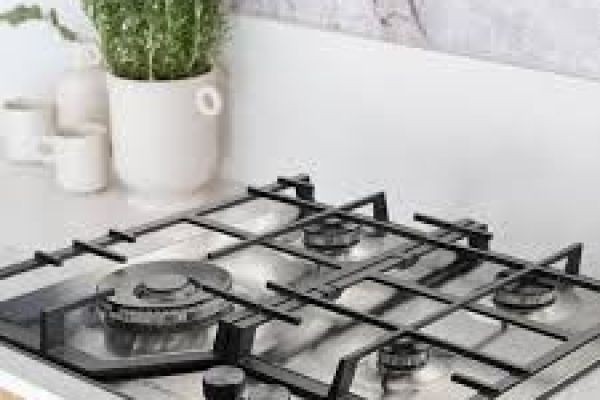
Gas stoves are an essential part of many homes because they provide fast, efficient, and reliable cooking performance. One of the easiest ways to determine whether a gas stove is functioning properly is by observing the flame color. Under normal conditions, gas burners should produce a steady blue flame. A blue flame indicates complete combustion, proper airflow, and efficient gas burning.
However, homeowners sometimes notice orange or yellow flames coming from their gas stove burners. While a temporary orange flame may not always indicate a serious problem, persistent orange flames can signal issues that require attention. Understanding the common reasons for orange flames on gas burners is important for maintaining safety, improving appliance efficiency, and preventing potential hazards in the home.
This article explains the most common causes of orange flames on gas burners, possible dangers, troubleshooting methods, and preventative maintenance tips to help homeowners keep their gas stoves operating safely and efficiently.
Understanding Gas Stove Flame Colors
The color of a gas flame provides valuable information about how efficiently the stove is burning fuel.
Blue Flame
A blue flame is the ideal flame color for gas burners. It indicates:
- Proper oxygen-to-gas ratio
- Complete combustion
- Efficient fuel burning
- Safe appliance operation
Blue flames usually appear stable, sharp, and evenly distributed around the burner.
Orange or Yellow Flame
An orange or yellow flame often indicates incomplete combustion. This means the gas is not burning efficiently due to airflow restrictions, contaminants, or burner issues.
Orange flames may produce:
- Excess soot
- Reduced heating efficiency
- Carbon buildup
- Increased carbon monoxide risk
Occasional orange flickers can sometimes occur temporarily, but continuous orange flames should be investigated.
Common Causes of Orange Flames on Gas Burners
Several factors can cause gas stove burners to produce orange flames instead of blue flames.
1. Dirty Burner Ports
One of the most common causes of orange flames is clogged or dirty burner ports. Food spills, grease, dust, and debris can block the tiny openings where gas flows through the burner.
When burner ports become partially blocked:
- Airflow becomes restricted
- Gas distribution becomes uneven
- Combustion becomes incomplete
- Flames may turn orange or yellow
Signs of Dirty Burners
- Uneven flame patterns
- Weak flames
- Clicking sounds during ignition
- Burners taking longer to light
Solution
Cleaning the burner ports carefully can often restore proper flame color. Homeowners should:
- Turn off the gas supply
- Remove burner caps and grates
- Clean burner holes using a soft brush or needle
- Avoid enlarging burner openings
- Wipe away grease and debris
Regular cleaning helps maintain efficient burner performance.
2. High Humidity Levels
Humidity can sometimes cause temporary orange flames on gas burners. Moisture in the air affects combustion and may alter flame color briefly.
This is especially common when:
- Running humidifiers indoors
- Boiling large amounts of water
- Using steam appliances nearby
- During rainy or humid weather
In many cases, humidity-related orange flames disappear once moisture levels return to normal.
How Humidity Affects Flames
Excess moisture changes the balance of oxygen and gas combustion, causing sodium impurities in the air to glow orange.
Temporary humidity-related flame color changes are usually not dangerous if the flame remains stable and no soot develops.
3. Insufficient Oxygen Supply
Orange flame on gas stove burners require proper airflow for complete combustion. If the burner is not receiving enough oxygen, the gas may burn inefficiently and create orange flames.
Causes of Restricted Airflow
- Blocked air shutters
- Dust buildup
- Poor kitchen ventilation
- Burner misalignment
- Obstructed vent openings
Insufficient oxygen reduces combustion efficiency and increases the production of carbon particles that glow orange during burning.
Solution
Professional technicians can inspect airflow systems, clean air intake areas, and adjust burner settings to restore proper combustion.
4. Food Spills and Grease Buildup
Cooking spills are common on gas stoves, especially when boiling liquids or frying foods. Grease, sauces, oils, and food particles can accumulate around burners and interfere with flame quality.
Effects of Grease Buildup
- Flame discoloration
- Uneven heating
- Burner clogging
- Smoke and odors
- Reduced efficiency
Grease contamination can also create small flare-ups and increase fire risk if not cleaned regularly.
Preventative Cleaning Tips
- Wipe spills immediately after cooling
- Clean burners weekly
- Remove grease buildup from grates and caps
- Use non-abrasive cleaning products
Routine cleaning helps prevent flame discoloration and improves stove performance.
5. Incorrect Gas-to-Air Ratio
Gas stoves are designed to maintain a balanced mixture of fuel and oxygen. If the gas-to-air ratio becomes unbalanced, flames may turn orange.
Too Much Gas
Excess gas flow can overwhelm the available oxygen supply, resulting in incomplete combustion.
Too Little Air
Restricted airflow prevents proper fuel burning and produces orange flames.
Professional Adjustment
Technicians can adjust burner air shutters and gas pressure settings to restore the correct combustion balance.
6. Contaminants in the Air
Certain airborne particles can temporarily affect flame color. Common contaminants include:
- Cleaning chemicals
- Dust particles
- Salt from cooking
- Aerosol sprays
- Construction dust
- Smoke particles
When these contaminants enter the flame, they may produce orange or yellow coloration.
Sodium Contamination
Salt particles are one of the most common causes of temporary orange flames. Sodium burns with a bright orange color when exposed to heat.
This often occurs when:
- Cooking salty foods
- Boiling pasta water
- Using cleaning products near burners
Temporary contamination usually resolves quickly once airborne particles dissipate.
7. Improper Burner Installation
Burners that are not positioned correctly may not receive proper airflow or gas distribution.
Signs of Improper Installation
- Uneven flames
- Flames only on one side
- Burner clicking continuously
- Weak flame intensity
Burner caps must sit properly on the burner base to ensure balanced combustion.
Solution
Homeowners should carefully reinstall burner caps after cleaning and ensure all components are aligned correctly.
8. Faulty Gas Regulator
The gas regulator controls the pressure of gas entering the stove. If the regulator malfunctions, it may deliver inconsistent gas pressure.
Symptoms of Regulator Problems
- Weak flames
- Orange flames
- Difficulty igniting burners
- Gas odors
- Fluctuating flame size
Gas regulator issues should always be inspected by qualified professionals due to safety concerns.
9. Aging or Worn Burner Components
Over time, burner components may become worn, corroded, or damaged. Older burners may develop:
- Cracks
- Rust buildup
- Warped burner heads
- Enlarged burner ports
Damaged burners can disrupt airflow and gas distribution, causing improper combustion.
Solution
Replacing worn burner components can restore efficient burner performance and improve flame quality.
Is an Orange Flame Dangerous?
An occasional orange flicker is not always dangerous. However, persistent orange or yellow flames can indicate incomplete combustion, which may increase the risk of carbon monoxide production.
Potential Risks
- Carbon monoxide exposure
- Reduced cooking efficiency
- Excess soot buildup
- Increased fire hazards
- Damage to cookware
Carbon monoxide is a colorless and odorless gas that can be extremely dangerous in enclosed spaces.
Warning Signs of Dangerous Combustion
Homeowners should seek professional assistance immediately if they notice:
- Strong gas odors
- Soot buildup around burners
- Headaches or dizziness during cooking
- Persistent yellow flames
- Black smoke
- Difficulty breathing indoors
Installing carbon monoxide detectors in the home provides additional protection and early warning.
How to Troubleshoot Orange Flames on Gas Burners
Homeowners can perform several basic troubleshooting steps before calling a professional technician.
Step 1: Clean the Burners
Remove burner caps and clean away grease, debris, and food particles.
Step 2: Check Burner Alignment
Ensure burner caps and grates are installed correctly.
Step 3: Improve Ventilation
Open windows or use kitchen exhaust fans to improve airflow.
Step 4: Reduce Airborne Contaminants
Avoid using aerosol sprays or strong chemicals near the stove.
Step 5: Observe Flame Changes
Monitor whether the flame returns to blue after cleaning and ventilation improvements.
If orange flames continue, professional inspection is recommended.
Importance of Professional Gas Stove Repair
Gas appliances involve combustible fuel and complex safety systems. Professional repair technicians have the expertise needed to diagnose combustion issues safely.
Benefits of Professional Repair
- Accurate diagnostics
- Safe gas handling
- Proper burner adjustments
- Carbon monoxide testing
- Gas leak detection
- Long-lasting repair solutions
Technicians can also inspect gas lines, regulators, igniters, and ventilation systems for hidden issues.
Preventative Maintenance Tips for Gas Stoves
Regular maintenance helps prevent orange flames and keeps gas stoves operating safely.
Clean Burners Regularly
Routine cleaning prevents grease and debris buildup.
Inspect Flame Color Frequently
Healthy flames should remain mostly blue during operation.
Keep Ventilation Systems Clean
Proper airflow supports complete combustion.
Schedule Professional Inspections
Periodic maintenance helps identify issues before they become serious.
Avoid Blocking Air Openings
Ensure burner air intake areas remain clear and unobstructed.
Energy Efficiency and Flame Quality
Blue flames are not only safer but also more energy efficient. Orange flames indicate wasted fuel and incomplete combustion.
Efficient combustion provides:
- Faster cooking times
- Lower gas consumption
- Reduced soot production
- Better heat distribution
Maintaining proper flame color helps homeowners reduce energy costs and improve cooking performance.
When to Replace a Gas Stove
In some cases, repeated burner problems may indicate aging appliances that require replacement.
Signs It May Be Time to Replace the Stove
- Frequent repairs
- Multiple burner failures
- Gas leaks
- Severe corrosion
- Poor energy efficiency
- Outdated safety features
Modern gas stoves often include improved burner technology, better efficiency, and enhanced safety systems.
Conclusion
Orange flames on gas burners are a common issue that can result from dirty burners, humidity, poor airflow, grease buildup, incorrect gas-to-air ratios, or aging components. While occasional orange flickers may not always indicate danger, persistent orange or yellow flames should never be ignored.
Proper flame color is important for safe and efficient gas stove operation. Blue flames indicate complete combustion and optimal performance, while orange flames may signal incomplete combustion and potential safety risks.
Regular cleaning, proper maintenance, and professional inspections help prevent burner problems and improve appliance safety. Homeowners who notice persistent orange flames, soot buildup, gas odors, or unusual burner behavior should contact a qualified gas appliance repair technician for professional diagnosis and repair.
By understanding the common reasons for orange flames on gas burners and taking preventative action, homeowners can maintain a safer, more efficient kitchen environment while extending the lifespan of their gas stove appliances.






