
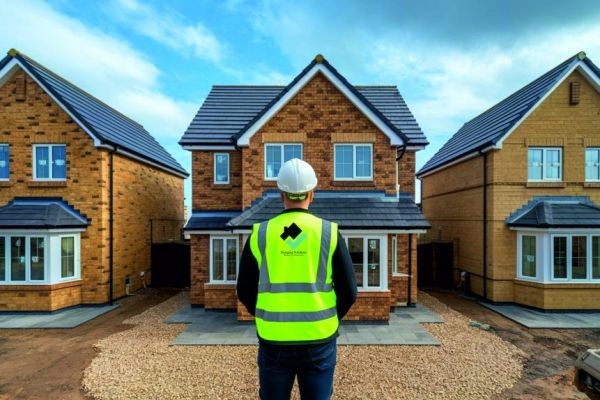
Buying, selling, or maintaining a property is one of the biggest financial decisions you will ever make. Whether you are purchasing your dream home, investing in commercial real estate, or managing rental properties, understanding the true condition of a building is essential. This is where a property inspection becomes invaluable. A professional property inspection provides a detailed evaluation of a property's structure, systems, and overall condition, helping buyers, sellers, landlords, and investors make informed decisions while avoiding costly surprises.
A property may look perfect during a viewing, but hidden problems such as roof leaks, foundation cracks, faulty electrical wiring, plumbing issues, mold, pest infestations, or poor insulation may not be visible to the untrained eye. These hidden defects can result in expensive repairs and safety risks if they are discovered after the transaction. A thorough inspection uncovers these issues before they become major financial burdens.
In today's real estate market, property inspections have become an essential part of buying, selling, leasing, and maintaining real estate. They protect investments, improve transparency, support price negotiations, and help property owners maintain long-term value.
What Is Property Inspection?
A property inspection is a detailed visual examination of a residential, commercial, or industrial property's condition. It is conducted by a qualified property inspector who evaluates the building's structural components, electrical systems, plumbing, roofing, HVAC equipment, insulation, windows, doors, foundation, and safety features.
The purpose of a property inspection is to identify existing defects, maintenance issues, safety hazards, and future repair needs. Unlike a property appraisal, which determines the market value of a property, a property inspection focuses solely on its physical condition.
After completing the inspection, the inspector prepares a comprehensive report that includes observations, photographs, recommendations, and suggested repairs. This report helps buyers, sellers, landlords, investors, and homeowners understand the property's current condition and make informed decisions.
Why Is Property Inspection Important?
A property inspection provides valuable information that cannot be obtained through a simple property viewing. Many serious problems remain hidden behind walls, beneath floors, inside roofs, or within plumbing and electrical systems. Identifying these issues early can save thousands of dollars in future repair costs.
For buyers, a property inspection offers peace of mind by confirming that the property is in good condition or highlighting issues that require attention. Sellers benefit by identifying and repairing defects before listing their property, making it more attractive to potential buyers. Landlords use inspections to document property conditions before and after tenancy, while investors rely on inspection reports to evaluate renovation costs and estimate investment returns.
Regular property inspections also improve safety by identifying fire hazards, structural weaknesses, water damage, mold, and electrical faults that could threaten occupants. They support better maintenance planning, preserve property value, and extend the lifespan of major building systems.
Types of Property Inspection
Property inspections vary depending on the type of property and the purpose of the inspection.
Residential property inspections focus on houses, apartments, condominiums, and townhouses. These inspections evaluate roofing, foundations, plumbing, electrical systems, HVAC equipment, insulation, windows, doors, and interior finishes.
Commercial property inspections assess office buildings, warehouses, shopping centers, hotels, restaurants, and industrial facilities. Because commercial buildings contain larger and more complex systems, these inspections are generally more detailed.
Pre-purchase inspections help buyers identify hidden defects before completing a property purchase. Pre-listing inspections allow sellers to repair issues before placing the property on the market. Rental property inspections document the property's condition before tenants move in and after they move out.
Specialized inspections include roof inspections, foundation inspections, termite inspections, mold inspections, sewer inspections, chimney inspections, asbestos testing, lead paint assessments, and environmental inspections.
What Does a Property Inspection Cover?
A comprehensive property inspection evaluates nearly every accessible component of a building. Inspectors begin with the exterior by examining the roof, gutters, siding, foundation, drainage systems, driveways, patios, decks, garages, fences, and landscaping.
Inside the property, they inspect walls, ceilings, flooring, windows, doors, staircases, cabinets, and built-in fixtures. Plumbing systems are checked for leaks, water pressure, drainage performance, pipe condition, and water heater functionality. Electrical inspections include the service panel, wiring, outlets, switches, lighting fixtures, and grounding systems.
Heating and cooling equipment is evaluated for efficiency, airflow, thermostat operation, ductwork condition, and maintenance history. Attics and crawl spaces are inspected for insulation quality, ventilation, moisture damage, mold, and pest activity. Safety devices such as smoke detectors and carbon monoxide detectors are also tested.
Property Inspection Checklist
A complete property inspection generally includes:
- Roof and gutters
- Foundation and structural components
- Exterior walls
- Windows and doors
- Plumbing system
- Electrical system
- Heating and cooling equipment
- Water heater
- Interior walls and ceilings
- Flooring
- Insulation and ventilation
- Basement and crawl spaces
- Attic
- Garage
- Driveways and sidewalks
- Decks and balconies
- Drainage systems
- Smoke detectors
- Carbon monoxide detectors
- Visible signs of mold or pests
This checklist ensures that all major building systems are thoroughly evaluated.
Property Inspection Process
The inspection process begins by scheduling an appointment with a qualified property inspector. During the inspection, the inspector performs a systematic visual examination of every accessible area of the property while testing major systems such as plumbing, electrical equipment, HVAC units, and safety devices.
Detailed notes and photographs are taken throughout the inspection. Once completed, the inspector prepares a comprehensive report describing all findings, including maintenance recommendations, repair priorities, and any safety concerns. Buyers and sellers then review the report to determine whether repairs, negotiations, or additional specialist inspections are necessary.
Common Problems Found During Property Inspection
Property inspections frequently reveal hidden issues that may not be obvious during a regular viewing. Common problems include roof leaks, damaged shingles, foundation cracks, plumbing leaks, outdated electrical wiring, overloaded circuit breakers, mold growth, poor attic ventilation, termite damage, deteriorated insulation, HVAC failures, window seal problems, water intrusion, uneven flooring, and drainage issues.
While many findings involve routine maintenance, some defects require immediate attention to prevent further structural damage or safety risks.
Benefits of Property Inspection
A professional property inspection offers significant advantages for buyers, sellers, landlords, and investors. Buyers gain confidence in their purchasing decision and can negotiate repairs or price adjustments based on documented findings. Sellers improve buyer trust by addressing defects before listing their property.
Landlords use inspections to maintain rental units, document property conditions, and reduce tenant disputes. Investors benefit from accurate repair estimates, allowing them to evaluate investment opportunities more effectively.
Regular inspections also improve safety, reduce long-term maintenance costs, increase energy efficiency, and preserve property value over time.
Property Inspection Cost
The cost of a property inspection depends on factors such as property size, age, location, inspection type, and additional services requested. Residential inspections are generally less expensive than commercial inspections due to the complexity of commercial buildings.
Additional inspections, including mold testing, sewer camera inspections, termite inspections, radon testing, and foundation evaluations, may increase the overall cost. Although inspections require an upfront investment, they often save property owners thousands of dollars by identifying expensive problems before they become major repairs.
How to Choose the Right Property Inspector
Selecting a qualified property inspector is essential for obtaining accurate information. Look for inspectors with professional certifications, appropriate licensing, liability insurance, extensive experience, and positive customer reviews. A reputable inspector should provide detailed written reports with photographs and explain findings clearly.
Attending the inspection is highly recommended because it allows buyers to ask questions and gain a better understanding of the property's condition and maintenance needs.
Property Inspection vs. Property Appraisal
Many people confuse property inspections with property appraisals, but they serve different purposes. A property inspection evaluates the physical condition of the building and identifies maintenance or safety issues. A property appraisal estimates the property's market value based on comparable sales, location, size, and market conditions. Mortgage lenders typically require appraisals, while buyers request inspections to protect their investment.
Frequently Asked Questions
What is a property inspection?
A property inspection is a detailed assessment of a building's condition conducted by a qualified inspector before buying, selling, renting, or maintaining a property.
How long does a property inspection take?
Most residential inspections take between two and four hours, while larger commercial properties may require several hours or multiple days.
Can a property fail an inspection?
No. A property inspection does not result in a pass or fail. It simply documents the property's condition and identifies any issues requiring attention.
Should buyers attend the inspection?
Yes. Attending the inspection allows buyers to ask questions, understand maintenance requirements, and observe potential issues firsthand.
Is a property inspection worth the cost?
Absolutely. A professional inspection can identify hidden defects that may save buyers or owners thousands of dollars in unexpected repair costs.
Conclusion
A property inspection is one of the smartest investments you can make when buying, selling, or maintaining real estate. It provides a detailed understanding of a property's structural integrity, safety, and overall condition, helping buyers avoid costly surprises and enabling sellers to present their property with confidence. By identifying issues related to roofing, foundations, plumbing, electrical systems, HVAC equipment, insulation, and other essential components, inspections support informed decision-making and long-term property management.
Whether you are purchasing your first home, managing rental properties, investing in commercial real estate, or maintaining an existing building, regular property inspections help reduce financial risk, improve safety, preserve property value, and extend the lifespan of critical building systems. Investing in a professional property inspection today can save significant time, money, and stress in the future, making it an essential step in every successful real estate transaction.






