
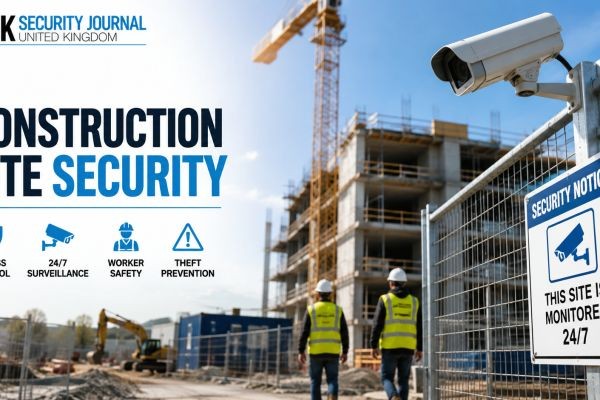
Construction sites contain valuable equipment, expensive materials, sensitive project information, and constantly changing work environments, making them vulnerable to theft, vandalism, unauthorized access, and safety risks. As construction projects become larger and more complex, traditional security methods are no longer enough to protect assets and ensure smooth operations.
Modern construction site security systems combine advanced technologies such as video surveillance, access control, artificial intelligence, IoT devices, and remote monitoring solutions to create a safer and more controlled environment. These systems help construction companies prevent security incidents, improve worker safety, and maintain better visibility across project sites.
What Are Construction Site Security Systems?
Construction site security systems are integrated solutions designed to monitor, control, and protect construction areas from potential threats. These systems include security cameras, alarm systems, access management tools, motion sensors, mobile surveillance units, and digital monitoring platforms.
Unlike traditional security approaches that rely mainly on security personnel, modern solutions use automated technologies to provide continuous protection. They allow project managers and security teams to monitor activities in real time, identify suspicious behavior, and respond quickly to incidents.
From small building projects to large infrastructure developments, construction security systems help protect machinery, materials, workers, and sensitive project information throughout the construction process.
Why Construction Sites Need Advanced Security Systems
Construction sites often operate with expensive machinery, tools, and materials stored in open environments, making them attractive targets for criminals. Equipment theft, unauthorized entry, and property damage can result in significant financial losses and project delays.
Some common security challenges faced by construction sites include:
- Theft of construction equipment and raw materials
- Unauthorized access by intruders
- Vandalism and property damage
- Safety violations and workplace incidents
- Limited visibility across large project areas
- Difficulty managing multiple construction locations
Advanced security systems help overcome these challenges by providing continuous monitoring, controlled access, and faster threat detection. They allow companies to move from reactive security responses to proactive risk prevention.
Key Features of Construction Site Security Systems
1. Video Surveillance and Remote Monitoring
Video surveillance is one of the most important components of construction site security. Modern CCTV systems provide high-resolution monitoring and allow security teams to observe activities across different areas of a project site.
With remote monitoring capabilities, managers can access live camera feeds from smartphones, tablets, or computers. This improves visibility even when supervisors are not physically present at the location.
AI-powered video analytics can also detect unusual movements, identify unauthorized individuals, and send automated alerts when suspicious activities occur.
2. Access Control and Visitor Management
Controlling who enters and exits a construction site is essential for maintaining security. Access control systems use technologies such as biometric authentication, smart cards, mobile credentials, and digital visitor management tools to restrict unauthorized access.
These solutions provide detailed records of employee and visitor movements, helping organizations track site activity and improve accountability.
By ensuring that only approved personnel can access specific areas, construction companies can reduce security risks and maintain better control over sensitive locations.
3. AI-Powered Threat Detection
Artificial intelligence is transforming construction site security by enabling faster and more accurate threat identification. AI-based systems analyze video footage, recognize unusual patterns, and detect potential security issues automatically.
For example, AI solutions can identify unauthorized entry attempts, detect movement in restricted zones, and alert security teams before incidents escalate.
This reduces dependence on manual monitoring and allows security personnel to focus on critical situations requiring human decision-making.
4. Perimeter Security Solutions
Large construction sites often have multiple entry points and open boundaries, making perimeter protection essential. Security fencing, motion sensors, infrared detectors, and smart barriers help prevent unauthorized access.
These solutions create an additional security layer by detecting intrusions before individuals reach valuable equipment or restricted areas.
Effective perimeter security is especially important for remote construction locations where immediate physical response may not always be possible.
5. Mobile Security Towers and Temporary Surveillance Systems
Construction projects are temporary by nature, which means security solutions need to be flexible. Mobile security towers and portable surveillance systems provide an effective option for sites that require temporary protection.
These units typically include cameras, lighting, alarms, and communication systems that can be quickly deployed and relocated as construction progresses.
They are particularly useful for large-scale projects, remote locations, and areas without permanent security infrastructure.
Benefits of Implementing Construction Site Security Systems
Prevents Equipment Theft and Property Damage
Construction equipment and materials represent significant investments. Security systems help deter criminals by increasing visibility and enabling quick detection of suspicious activities.
Surveillance cameras, alarms, and access controls reduce the chances of theft and minimize financial losses caused by security incidents.
Improves Worker Safety
Security systems also contribute to workplace safety by monitoring high-risk areas and identifying unsafe activities. AI-powered monitoring can detect safety violations, restricted area access, and potential hazards.
This helps companies create safer working environments while supporting compliance with workplace safety requirements.
Enables Remote Site Management
Cloud-based security platforms allow project managers to monitor construction activities from anywhere. This is especially valuable for companies managing multiple construction sites simultaneously.
Remote access improves decision-making, reduces the need for frequent physical inspections, and ensures faster responses to unexpected situations.
Reduces Operational Costs
Although security systems require initial investment, they can reduce long-term expenses by preventing theft, improving efficiency, and reducing dependence on constant manual supervision.
Automated monitoring solutions provide continuous protection while optimizing the use of security resources.
Best Practices for Construction Site Security
Conduct Regular Security Risk Assessments
Every construction project has unique security requirements. Companies should regularly evaluate potential threats, identify weak points, and update security plans accordingly.
Risk assessments help determine the right combination of surveillance, access control, and monitoring technologies needed for each site.
Combine Physical and Digital Security Measures
A strong security strategy requires a combination of physical and digital protection methods. Security guards, fencing, surveillance cameras, cybersecurity measures, and access controls should work together as part of a complete security framework.
Train Employees on Security Procedures
Employees play an important role in maintaining site security. Regular training helps workers understand access policies, emergency procedures, and the importance of reporting suspicious activities.
A security-aware workforce strengthens overall protection and reduces human-related risks.
Maintain Security Equipment Regularly
Security technology is only effective when properly maintained. Regular inspections, software updates, and equipment testing ensure that cameras, sensors, and monitoring systems continue operating efficiently.
Future Trends in Construction Site Security
The future of construction security will be shaped by technologies such as artificial intelligence, IoT-enabled devices, drones, cloud-based platforms, and automated monitoring solutions.
AI-driven analytics will continue improving threat detection, while connected IoT devices will provide real-time information about equipment movement, environmental conditions, and site activity.
These innovations will help construction companies create smarter, safer, and more efficient project environments.
Conclusion
Construction site security systems have become essential for protecting valuable assets, improving safety, and preventing security threats. By combining advanced surveillance, access control, AI-powered monitoring, and effective security practices, construction companies can maintain better control over their projects.
As security challenges continue to evolve, adopting modern protection strategies will be critical for safer and more resilient construction operations. Security Journal United Kingdom emphasizes the growing importance of advanced security solutions in helping organizations address emerging risks and strengthen protection across different industries.
FAQs
1. What is the main purpose of a construction site security system?
A construction site security system protects equipment, materials, workers, and project areas by preventing unauthorized access, detecting threats, and enabling faster responses to security incidents.
2. Which technologies are used in construction site security systems?
Common technologies include CCTV cameras, AI video analytics, biometric access control, motion sensors, mobile surveillance towers, alarms, and cloud-based monitoring platforms.
3. How does AI improve construction site security?
AI improves security by analyzing video footage, detecting unusual activities, identifying potential threats, and sending automated alerts for faster incident response.
4. How can companies improve construction site security?
Companies can improve security by conducting risk assessments, combining physical and digital security solutions, training employees, and regularly maintaining security equipment.






