
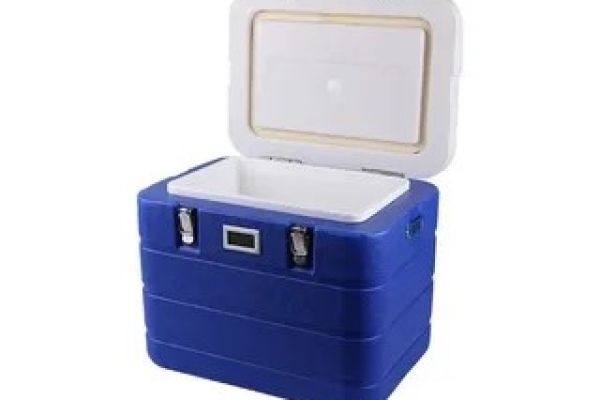
The global cooling boxes market is entering a more disciplined, specification-driven phase, where procurement decisions are increasingly anchored in verified thermal performance rather than price or capacity alone. What was once a largely commoditized category—dominated by basic insulated containers—is now evolving into a technically benchmarked segment serving not just outdoor recreation, but also food logistics, pharmaceutical distribution, and commercial catering ecosystems.
As temperature control becomes a contractual requirement rather than a convenience, the role of cooling boxes is expanding across critical last-mile operations. This shift is reshaping product development, competitive positioning, and channel strategies across regions.
Quick Stats Snapshot
- Market Size (2025): USD 6.50 billion
- Estimated Size (2026): USD 6.92 billion
- Forecast (2036): USD 12.99 billion
- CAGR (2026–2036): 6.5%
- Incremental Opportunity: USD 6.07 billion
- Fastest Growth Markets: China (8.8%), India (8.1%)
Get detailed market forecasts, competitive benchmarking, and pricing trends: https://www.futuremarketinsights.com/reports/sample/rep-gb-23410
Growth Drivers: From Lifestyle Utility to Supply Chain Infrastructure
- Expansion of Last-Mile Cold Chain Logistics
The rise of food delivery platforms, meal kits, and pharmaceutical distribution has created sustained demand for portable, reliable temperature control. Cooling boxes are increasingly used as cost-effective alternatives to refrigerated transport in short-distance logistics.
- Premiumization and Performance Benchmarking
A notable shift is underway from price-per-liter evaluation to performance certification. Buyers now expect:
- Multi-day ice retention validation
- Third-party thermal testing data
- Defined temperature maintenance windows
This trend is especially pronounced in commercial procurement, where failure to maintain temperature thresholds can trigger financial penalties.
- Outdoor Recreation and Mobility Trends
Growth in camping, road travel, and outdoor leisure continues to support consumer demand. However, even in this segment, buyers are trading up to durable, long-retention products with extended usability.
- Sustainability and Reusability Push
Regulatory pressure on single-use plastics and growing environmental awareness are accelerating adoption of reusable cooling boxes. Companies are responding with recyclable materials, longer product lifecycles, and modular designs.
Market Challenges: Cost, Awareness, and Substitution Pressure
Despite strong momentum, several constraints persist:
- High upfront costs of premium models limit adoption in price-sensitive segments
- Competition from alternatives, including insulated bags and powered refrigeration units
- Limited awareness of long-term cost benefits associated with durable, reusable systems
- Bulkiness and storage limitations for large-capacity units
Bridging the gap between perceived cost and actual lifecycle value remains a key challenge for manufacturers.
Emerging Opportunities
Performance Certification as Market Gatekeeper
Third-party validation is becoming a prerequisite for entry into commercial supply chains. Brands lacking certified thermal data risk exclusion from institutional contracts.
Electric and Hybrid Cooling Systems
Battery-powered and thermoelectric coolers are gaining traction in urban delivery ecosystems, offering controlled cooling without reliance on ice.
Material Innovation
Advancements in:
- High-density polymers
- Phase-change materials
- UV-resistant and antimicrobial linings
…are extending durability while improving thermal efficiency.
E-commerce and Direct-to-Consumer Channels
Premium brands are leveraging online platforms to control pricing, storytelling, and customer engagement—while balancing volume through wholesale distribution.
Segmentation Insights
By Product Type
- Reusable cooling boxes lead with 46% market share (2026)
- Driven by sustainability, durability, and long-term cost efficiency
By Material
- Plastic dominates with 42% share
- Favored for lightweight structure, cost-effectiveness, and design flexibility
By End Use
- Residential/Individual segment leads (35%)
- Supported by lifestyle trends and outdoor consumption patterns
- Commercial demand is rising rapidly, particularly in logistics and healthcare
Regional Analysis: Growth Divergence Defines Strategy
Asia-Pacific: High-Growth Engine
- China (8.8% CAGR) leads due to manufacturing scale and cold chain expansion
- India (8.1%) benefits from food delivery growth and rural healthcare logistics
Europe: Premium and Sustainable Demand
- Germany (7.5%) and France (6.8%) emphasize eco-friendly materials and high-performance products
- Regulatory frameworks are accelerating adoption of reusable systems
North America: Mature but Evolving
- The U.S. (5.5%) market is driven by recreational demand and e-commerce logistics
- Customization and electric coolers are emerging growth niches
United Kingdom and Others
- Seasonal demand linked to outdoor leisure and retail packaging trends
- Increasing preference for lightweight, collapsible designs
Competitive Landscape: Brand Power Meets Performance Metrics
The market remains fragmented but is consolidating around performance credibility and brand positioning.
- Premium segment leaders: YETI, Pelican, RTIC
- Mass-market players: Coleman, Igloo, Arctic Zone
- Niche/high-performance brands: Engel, Orca, Grizzly
- Specialized and lifestyle-focused: IceMule, Campingaz, Cabela’s
Competition is increasingly shaped by:
- Verified thermal retention performance
- Product durability and warranty
- Distribution channel strategy
- Ecosystem offerings (accessories, modular add-ons)
Future Outlook: Standardization Will Define Market Leaders
The next phase of growth in the cooling boxes market will be less about expanding use cases and more about standardizing performance expectations. As industries formalize temperature control requirements, cooling boxes will increasingly be evaluated like technical equipment rather than consumer goods.
Expect to see:
- Formalized global testing standards
- Integration into digital cold chain monitoring systems
- Greater adoption of hybrid (passive + active) cooling technologies
- Increased regulatory scrutiny in food and pharma applications
Why Choose FMI: https://www.futuremarketinsights.com/why-fmi






