
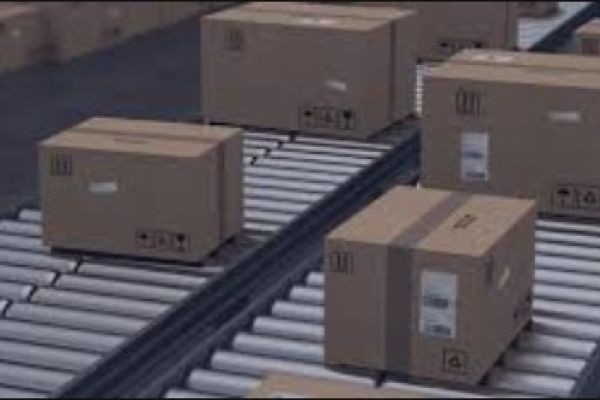
Shipping products over long distances presents challenges that require careful planning to protect goods while controlling costs. Businesses need reliable solutions to ensure items arrive intact, reduce damage-related losses, and maintain operational efficiency. One proven approach is implementing durable packaging, which combines strength and resilience with cost-effectiveness for long-distance transport. By selecting the right materials, optimizing package size, and incorporating advanced protective designs, companies can enhance shipping performance. Utilizing such packaging not only safeguards products but also minimizes returns and waste. Across industries, strategic use of resilient ackaging supports both financial savings and customer satisfaction in complex supply chains.
Understanding Durable Packaging
Durable packaging refers to materials and designs created to withstand the rigors of transport, including impacts, vibrations, and environmental factors. Using durable packaging ensures that products remain protected throughout long-distance journeys, from warehouses to distribution centers and retail locations. These solutions include reinforced boxes, heavy-duty tape, protective inserts, and moisture-resistant materials. By incorporating such packaging, companies can maintain product integrity, reduce spoilage, and avoid damage claims. The consistency and reliability of such packaging also enhance customer confidence, demonstrating a commitment to quality and professional handling of goods.
Cost-Saving Benefits of Durable Packaging
One of the main advantages of durable packaging is its ability to reduce overall shipping costs. Although stronger materials may have a higher upfront price, their ability to prevent damage minimizes replacement and return expenses. Businesses experience fewer product losses, decreased insurance claims, and reduced labor associated with repackaging damaged items. Additionally, properly designed durable packaging optimizes space, allowing more items to fit in a shipment and lowering freight costs per unit.
Strategies for Long-Distance Shipping
Implementing durable packaging for long-distance shipping requires strategic planning. Selecting the correct box size is essential to prevent movement inside the package, which can cause damage. Using protective inserts, such as molded pulp, foam, or air cushions, further absorbs shocks during transit. Businesses should also choose materials that resist moisture, temperature fluctuations, and punctures, ensuring products remain intact in varying environments. Bundling items securely, labeling appropriately, and standardizing packaging procedures across operations contribute to efficiency. Incorporating these strategies alongside durable packaging solutions ensures goods are delivered safely while controlling operational and material costs.
Environmental and Operational Considerations
While cost-effectiveness is a priority, sustainability and operational efficiency are also key factors in packaging decisions. Using recyclable or reusable durable packaging materials reduces environmental impact and appeals to eco-conscious customers. Standardizing packaging processes decreases labor time and error rates, which improves workflow and reduces handling costs. Durable packaging that is lightweight but resilient further optimizes shipping efficiency, minimizing fuel consumption and associated costs. By balancing environmental responsibility with protective performance, businesses gain operational benefits while maintaining a positive brand image.
Industries That Benefit from Durable Packaging
Multiple industries can leverage resilient packaging for long-distance shipping, from e-commerce and retail to manufacturing and industrial equipment. Products that are fragile, sensitive to temperature, or high in value particularly benefit from reinforced packaging solutions. Consistent use of durable packaging across supply chains ensures that goods reach their destination in optimal condition, reduces waste, and improves overall logistics performance. Whether shipping small consumer items or larger machinery components, the strategic implementation of such technology can enhance reliability, efficiency, and customer satisfaction.
Conclusion
Overall, implementing packaging that is durable offers a cost-effective approach to long-distance shipping, ensuring products arrive safely while minimizing damage, waste, and operational expenses. By carefully selecting materials, optimizing packaging design, and standardizing procedures, businesses can achieve a balance between protection, efficiency, and financial savings. Complementing these practices with quality machine part support further enhances operational reliability and ensures that packaging systems function optimally for sustained long-term performance. Industries that prioritize strategic packaging solutions benefit from fewer returns, reduced labor costs, and improved customer trust.






