
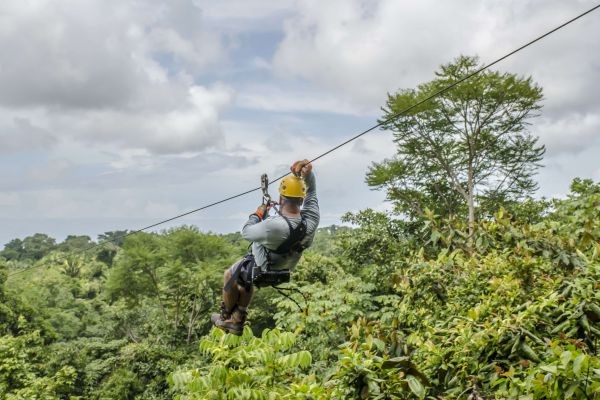
Costa Rica eco tourism claims permeate the tourism industry nearly every operator labels offerings "sustainable" or "eco-friendly" regardless of actual environmental practice. The biodiversity is genuine. The commitment to preservation varies dramatically across the market. Distinguishing authentic environmental stewardship from marketing veneer requires understanding what certification, measurement, and accountability actually encompass.
Certification vs. Marketing Labels
Legitimate Costa Rica eco tourism operations pursue third-party certifications from organizations like ICT (Instituto Costarricense de Turismo) or CST (Certification for Sustainable Tourism). These programs require documented environmental practices, waste management systems, and community benefit verification. Operators displaying certification credentials are demonstrating accountability.
"Eco-friendly" without certification backing often reflects marketing language rather than substantive practice. Authentic operators specify conservation practices, provide documentation, and welcome scrutiny.
What Actual Practice Encompasses
Responsible Costa Rica eco tourism operations implement waste reduction systems—composting organic material, recycling, and minimal single-use plastics. Renewable energy systems (solar, wind) power facilities reducing grid electricity dependency. Water conservation through grey water systems and rainwater harvesting represents baseline practice.
Local employment and community benefit should be verifiable—operators should pay fair wages to local staff and source supplies locally. Documentation of conservation contributions (habitat restoration, species protection funding) indicates serious commitment.
Greenwashing Recognition
Marketing featuring vague environmental claims without specific practices represents greenwashing—using environmental language to appear responsible without substantive action. Claims like "pristine," "untouched," or "eco-luxury" without specific conservation initiatives warrant skepticism.
Operators resisting questions about environmental practices or unable to document sustainability efforts are signaling weak commitment.
Activity Environmental Impact
Costa Rica eco tourism activities themselves vary in ecosystem impact. Small group size tourism causes minimal disturbance. Unguided mass-tourism creates problematic habitat impacts. Breeding season restrictions on wildlife observation protect vulnerable animals. No-touch marine life policies prevent coral and fish disruption.
Professional guides educate participants about minimizing impacts—responsible observation rather than aggressive wildlife pursuing.
Operator Selection Standards
A comprehensive Costa Rica eco tourism directory listing certified operators with documented environmental practices enables superior research versus generic marketing websites. Costa Rica business listings organized by sustainability certifications facilitate transparent operator comparison.
Independent review sites sometimes feature participant feedback regarding actual environmental commitment versus marketing claims.
Community Benefit Verification
Legitimate eco tourism should demonstrably benefit local communities through employment, fair wages, and economic development. Operators should communicate community relationships transparently rather than tokenizing Indigenous communities as attractions.
Education programs engaging local youth in conservation careers demonstrate community investment beyond economic engagement.
Carbon Offset Considerations
Quality operators acknowledge transportation-related carbon emissions and participate in legitimate offset programs. Direct carbon capture or renewable energy investments demonstrate commitment. Offset programs should be verifiable rather than symbolic gestures.
Transportation within Costa Rica should emphasize public transit over private vehicles when possible, reducing per-participant environmental impact.
Conservation Contribution Transparency
Operators should document financial contributions to habitat protection, research funding, or restoration projects. Specific conservation outcomes (acres protected, species populations supported) provide accountability beyond vague claims. Partnerships with legitimate conservation organizations indicate genuine commitment.
Costa Rica eco tourism represents authentic opportunity to support conservation while experiencing biodiversity. Prioritize certified operators with documented environmental practices over marketing-heavy claims. Costa Rica List features verified eco tourism operator comparisons enabling environmentally conscious travelers to select experiences genuinely supporting conservation throughout Costa Rica's protected ecosystems.






