
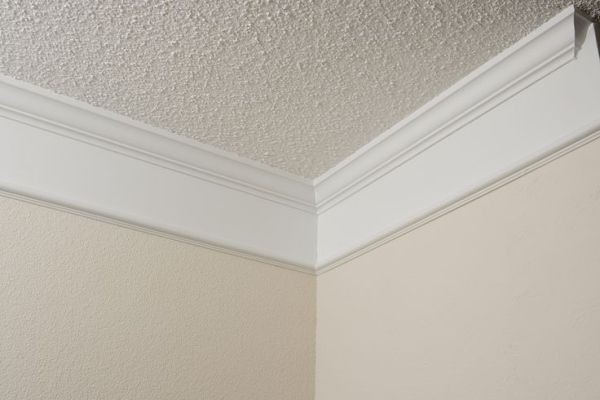
When it comes to enhancing the beauty and value of a home, few architectural details make as significant an impact as crown molding. This decorative trim, installed where walls meet ceilings, has been a staple of interior design for centuries. Whether you're renovating a historic property or adding finishing touches to a modern home, crown molding offers elegance, character, and sophistication that can transform ordinary rooms into stunning living spaces.
In today's competitive housing market, homeowners are constantly searching for ways to improve their interiors while increasing property value. Crown molding stands out as one of the most effective and affordable upgrades available. Its versatility, aesthetic appeal, and timeless charm make it a favorite choice among designers, contractors, and homeowners alike.
What Is Crown Molding?
Crown molding is a decorative trim that bridges the gap between walls and ceilings. Traditionally crafted from wood, modern crown molding is also available in materials such as polyurethane, MDF (medium-density fiberboard), PVC, and plaster. It comes in a variety of profiles, sizes, and styles, allowing homeowners to customize their spaces according to their design preferences.
The primary purpose of crown molding is decorative, but it also serves practical functions. It helps conceal imperfections where walls and ceilings meet while creating a seamless transition between architectural surfaces.
The History of Crown Molding
The origins of crown molding can be traced back to ancient Greece and Rome, where ornate moldings were used in temples and public buildings to demonstrate wealth and craftsmanship. During the Renaissance and Victorian eras, crown molding became a prominent feature in luxurious homes and palaces.
Today, crown molding remains a symbol of refined interior design. While modern manufacturing techniques have made it more accessible and affordable, it continues to provide the same sense of elegance and sophistication that it did centuries ago.
Benefits of Installing Crown Molding
1. Enhances Aesthetic Appeal
One of the most obvious advantages of crown molding is its ability to elevate a room's appearance. It adds depth, dimension, and visual interest to otherwise plain spaces. Even a simple molding profile can make a room feel more polished and complete.
2. Increases Property Value
Homebuyers often notice architectural details that distinguish a property from others on the market. Crown molding can make a home appear more upscale and well-maintained, potentially increasing its resale value and market appeal.
3. Complements Various Design Styles
From traditional and colonial homes to contemporary and minimalist interiors, crown molding can be adapted to suit virtually any design style. The wide variety of profiles and materials ensures compatibility with different architectural aesthetics.
4. Conceals Imperfections
Walls and ceilings are rarely perfectly aligned. Crown molding helps hide uneven joints, cracks, and minor construction flaws, creating a cleaner and more professional appearance.
5. Creates a Sense of Luxury
Luxury is often found in the details. Crown molding adds a layer of sophistication that can make even modest-sized rooms feel more elegant and expensive.
Types of Crown Molding Materials
Wood Crown Molding
Wood remains one of the most popular choices due to its natural beauty and durability. It can be stained or painted to match existing décor and works particularly well in traditional and upscale homes.
MDF Crown Molding
Medium-density fiberboard is a cost-effective alternative to solid wood. It is easy to paint, resistant to warping, and ideal for interior applications where moisture is not a concern.
Polyurethane Crown Molding
Lightweight and durable, polyurethane molding is resistant to moisture, insects, and cracking. It is often used in bathrooms, kitchens, and other high-humidity areas.
PVC Crown Molding
PVC molding is highly resistant to water damage and is suitable for both indoor and outdoor applications. It is a practical choice for areas exposed to moisture.
Plaster Crown Molding
Plaster offers intricate detailing and a classic appearance often found in historic homes and luxury properties. Although more expensive, it provides unmatched elegance and customization options.
Choosing the Right Crown Molding Style
Selecting the appropriate crown molding depends on several factors, including room size, ceiling height, and overall design theme.
For Traditional Homes
Ornate profiles with detailed carvings and layered designs work best in traditional interiors. These styles create a formal and sophisticated atmosphere.
For Modern Interiors
Simple, clean-lined molding profiles complement contemporary spaces without overwhelming the room's design.
For High Ceilings
Larger crown molding profiles help balance expansive wall spaces and create a grand appearance.
For Smaller Rooms
Slimmer molding designs prevent the room from feeling crowded while still adding architectural interest.
Popular Rooms for Crown Molding Installation
Living Rooms
The living room is often the focal point of a home, making it an ideal location for crown molding. It frames the space beautifully and enhances overall design cohesion.
Dining Rooms
Crown molding adds a sense of formality and elegance to dining spaces, making meals and gatherings feel more special.
Bedrooms
Installing crown molding in bedrooms creates a refined and relaxing atmosphere while adding visual warmth.
Kitchens
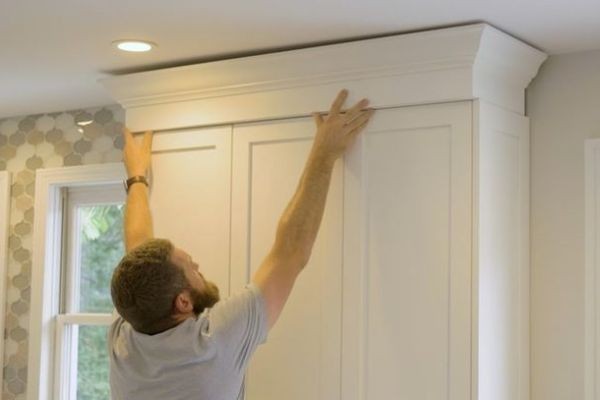
Modern crown molding can enhance cabinetry and create a seamless transition between cabinets and ceilings.
Bathrooms
Moisture-resistant materials such as polyurethane or PVC make crown molding a stylish addition to bathrooms.
Installation Considerations
While experienced DIY enthusiasts may attempt crown molding installation, achieving precise angles and seamless joints often requires professional expertise. Proper measurement, cutting, and alignment are essential for a polished final result.
Before installation, homeowners should consider:
- Ceiling height
- Room dimensions
- Material selection
- Budget
- Existing architectural features
Professional installation ensures accuracy and can save time and frustration, especially for complex room layouts.
Maintenance and Care
One of the reasons crown molding remains popular is its relatively low maintenance requirements. Regular dusting and occasional cleaning with a damp cloth are typically sufficient to keep it looking its best.
Painted moldings may require touch-ups over time, particularly in high-traffic areas. Moisture-resistant materials generally require even less maintenance and offer long-lasting performance.
Why Crown Molding Remains a Popular Home Upgrade
Despite changing interior design trends, crown molding continues to be a sought-after feature because it offers a perfect balance of beauty and practicality. Unlike many decorative elements that fall out of fashion, crown molding has demonstrated enduring appeal across generations.
Its ability to enhance visual aesthetics, improve property value, and create a custom-built appearance makes it one of the most rewarding home improvement investments available. Whether installed in a single room or throughout an entire house, crown molding delivers a timeless upgrade that homeowners can enjoy for years to come.
Conclusion
Crown molding is more than just decorative trim—it's an architectural feature that adds elegance, character, and value to any home. Available in various materials and styles, it offers endless possibilities for enhancing interior spaces while complementing different design preferences. From creating a luxurious atmosphere to concealing construction imperfections, crown molding remains one of the most effective ways to elevate residential interiors. For homeowners seeking a timeless and cost-effective upgrade, crown molding continues to be a smart and stylish choice.
Frequently Asked Questions (FAQs)
1. Is crown molding suitable for modern homes?
Yes. Modern crown molding designs feature clean lines and minimalist profiles that complement contemporary interiors.
2. Does crown molding increase home value?
Crown molding can enhance a home's visual appeal and perceived quality, potentially increasing its resale value.
3. What is the best material for crown molding?
The best material depends on your needs. Wood offers classic beauty, while polyurethane and PVC provide moisture resistance and durability.
4. Can crown molding be installed in rooms with low ceilings?
Yes. Smaller crown molding profiles are specifically designed for rooms with lower ceilings and compact spaces.
5. How long does crown molding last?
With proper installation and maintenance, crown molding can last for decades, making it a long-term investment in your home's appearance.






