
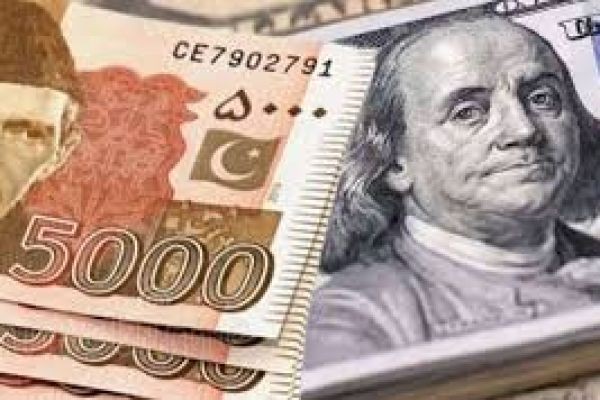
Understanding Currency Exchange Rates in Pakistan
Currency exchange rates in Pakistan play an important role in everyday financial activities, international trade, overseas travel, education, remittances, and business transactions. The value of foreign currencies compared with the Pakistani Rupee can change according to market conditions, economic developments, supply and demand, and international financial trends.
People regularly check currency exchange rates when they need to purchase foreign currency, receive money from abroad, pay international expenses, or plan a trip outside Pakistan. Businesses also monitor currency movements because exchange-rate changes can influence the cost of imported goods, international services, and overseas payments.
Understanding how exchange rates work can help individuals and businesses make better financial decisions and avoid confusion when comparing different currency providers.
Why Foreign Currency Rates Matter in Pakistan
Pakistan has strong financial and commercial connections with countries around the world. Millions of people work abroad, businesses import and export products, students study internationally, and travelers visit different destinations throughout the year. These activities create continuous demand for foreign currencies.
The US Dollar, Saudi Riyal, UAE Dirham, British Pound, Euro, Canadian Dollar, Australian Dollar, and other currencies are commonly relevant to Pakistani consumers and businesses. Each currency has its own relationship with the Pakistani Rupee and may experience different market movements.
Changes in currency values can influence purchasing power and the local cost of international transactions. This is why keeping track of currency exchange rates in Pakistan is useful for both personal and professional financial planning.
How Currency Exchange Rates Are Determined
Exchange rates are influenced by supply and demand in the foreign exchange market. When demand for a particular foreign currency increases, its value relative to another currency may rise. Similarly, changes in currency availability can influence market pricing.
Economic conditions also have a significant role. Inflation, interest rates, foreign exchange reserves, trade activity, investment flows, remittances, and monetary policy can all affect the value of the Pakistani Rupee.
International developments can also influence currency markets. Changes in global interest rates, commodity prices, geopolitical conditions, investor confidence, and international economic growth can create movements across major currencies.
Interbank and Open Market Exchange Rates
One important concept when checking currency exchange rates in Pakistan is the difference between interbank and open-market rates. The interbank market involves foreign currency transactions within the banking system and is an important reference for the broader financial market.
The open market involves authorized exchange companies and other permitted currency dealers. Their rates can differ from interbank rates because of market demand, currency availability, operating costs, and other factors.
Customers should therefore identify which market a published rate represents before using it for a transaction or financial calculation.
Buying and Selling Currency Rates
Currency exchange providers normally publish separate buying and selling rates. A buying rate generally applies when the provider purchases foreign currency from a customer, while a selling rate applies when the provider sells foreign currency to the customer.
The difference between these rates is commonly called the exchange spread. This is one reason why a currency converter may show a different value from the amount a customer actually receives at a bank or exchange company.
Understanding the difference between buying and selling rates can help customers compare currency offers more effectively.
Major Currencies Traded in Pakistan
Several foreign currencies are particularly important in Pakistan because of international trade, employment, travel, education, and family connections. The US Dollar is one of the most widely monitored currencies because of its role in global trade and international finance.
The Saudi Riyal is also important because of Pakistan's strong employment, family, religious travel, and remittance connections with Saudi Arabia. The UAE Dirham is commonly followed because of Pakistan's business and employment links with the United Arab Emirates.
The British Pound and Euro are also relevant for overseas education, employment, tourism, trade, and family remittances. Other currencies can become important depending on an individual's destination or business relationship.
Currency Exchange Rates and Overseas Remittances
Remittances are an important source of foreign currency for Pakistan. Families receiving money from relatives working overseas often monitor exchange rates to understand how their foreign earnings will translate into Pakistani Rupees.
The final value of a remittance can depend on the exchange rate used by the transfer provider as well as applicable service charges and conversion fees. A published market rate may therefore not be identical to the rate used for an individual transfer.
Comparing available remittance services and checking the complete transaction details can help recipients understand the actual value of their international transfer.
Exchange Rates for International Travel
Travelers need foreign currency for accommodation, transportation, food, shopping, and other expenses. The currency exchange rate can therefore become an important part of preparing an international travel budget.
People traveling from Pakistan may exchange currency before departure or after reaching their destination. Banks, exchange companies, airports, and other providers may offer different rates and fees.
Checking currency exchange rates in Pakistan before traveling can help individuals understand the general market and estimate their potential expenses. However, travelers should confirm the actual rate and charges before completing a transaction.
Impact on Pakistani Importers and Exporters
Businesses involved in international trade are directly exposed to currency movements. Importers may need foreign currency to pay overseas suppliers, while exporters may receive payments in foreign currencies.
A change in the exchange rate can influence purchasing costs, selling prices, profit margins, and cash-flow planning. Companies with regular international transactions may therefore monitor currency markets closely.
For businesses, understanding exchange-rate trends can support better budgeting and financial planning. Companies may also work with financial professionals to manage foreign currency exposure when appropriate.
Currency Rates and International Education
Students planning to study abroad often need to consider foreign currency exchange rates when preparing their education budgets. Tuition fees, accommodation, visa-related expenses, travel, books, and other costs may involve international currencies.
Changes in exchange rates can affect the Pakistani Rupee cost of these expenses. Families may therefore follow currency movements while planning international education.
It is important to remember that the rate used by a bank or payment service for an international education payment may differ from a general online market rate.
What Causes Currency Rates to Change?
Currency exchange rates can change because of numerous economic and financial factors. Domestic inflation and interest rates can influence the strength of the Pakistani Rupee, while foreign exchange reserves and international payment requirements can affect currency availability.
Remittance flows, exports, imports, foreign investment, and market confidence can also contribute to changes. International events may create additional volatility when investors adjust their expectations about global economic conditions.
Because these factors are constantly changing, exchange rates should not be considered fixed prices.
Role of the State Bank and Monetary Policy
Monetary policy can influence the currency environment through interest-rate decisions, liquidity conditions, and broader financial policies. The State Bank of Pakistan plays an important role in the country's monetary and foreign exchange framework.
Changes in monetary conditions can influence investor confidence, borrowing costs, economic activity, and currency-market expectations. However, exchange rates are affected by many factors, meaning that no single economic decision determines the value of a currency permanently.
How to Check Currency Exchange Rates in Pakistan
People searching for current currency exchange information should use reliable and regularly updated sources. Banks, authorized exchange companies, established financial platforms, and reputable financial news sources can provide useful market information.
The date and time of an exchange-rate quotation are important because currency values can change during the day. Customers should also determine whether the displayed information represents a market reference, interbank rate, open-market rate, buying rate, or selling rate.
For an actual currency transaction, confirming the final customer rate directly with the financial institution or authorized exchange provider is recommended.
Why Online Currency Converters May Show Different Rates
Online currency converters are useful for understanding general currency relationships, but their displayed rates may not be the same as the rates available to customers.
Many online tools display a mid-market or reference rate without including the spread or transaction charges applied by financial institutions. Banks and exchange companies may use their own customer pricing.
For this reason, online conversion should be considered an estimate unless the platform specifically provides the rate applicable to the intended transaction.
Smart Currency Planning for Individuals and Businesses
Keeping track of currency movements can make financial planning more effective. Individuals can monitor exchange rates before international travel, education payments, remittances, or foreign currency purchases.
Businesses can follow currency trends when preparing budgets, pricing imported products, planning international payments, or evaluating overseas revenue. Accurate and timely information can help reduce uncertainty when dealing with foreign currencies.
However, currency markets are unpredictable, so historical movements should not be treated as guarantees of future performance.
Stay Informed About Currency Exchange Rates in Pakistan
Currency exchange rates in Pakistan are an important part of the country's financial environment. From overseas remittances and international travel to education, imports, exports, and business payments, foreign currency values can affect a wide range of activities.
The most useful approach is to understand the difference between interbank and open-market rates, recognize buying and selling prices, and check current information from reliable sources. Currency values can change because of domestic economic conditions, international markets, supply and demand, and monetary developments.
Whether you are an individual planning an overseas trip, a family receiving international remittances, a student preparing for foreign education, or a business managing international transactions, staying informed about currency exchange rates in Pakistan can help you make more confident and better-informed financial decisions.






