
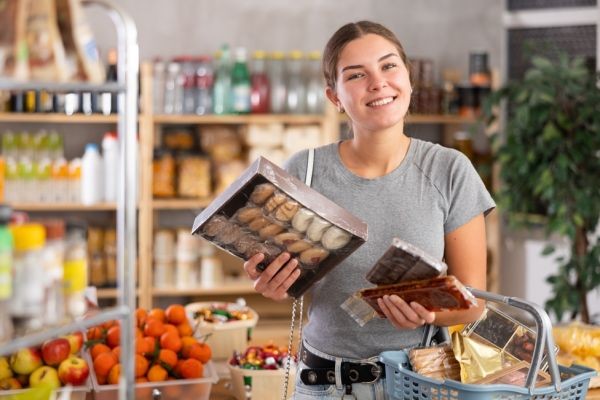
Whether you're running a small chocolate business or planning a special event, the right packaging can make all the difference. Custom chocolate boxes don't just protect your delicious treats—they create an unforgettable first impression that keeps customers coming back for more.
In this guide, we'll walk you through everything you need to know about choosing, designing, and ordering custom chocolate boxes that perfectly represent your brand and delight your customers.
What Are Custom Chocolate Boxes?
Custom chocolate boxes are specially designed packaging solutions created specifically for your chocolate products. Unlike plain, generic boxes you might find at a store, these boxes feature your unique branding, colors, logo, and design elements that make your chocolates stand out.
Think of custom packaging as a silent salesperson. When someone sees your beautifully designed box, they immediately understand the quality and care that went into what's inside. This is especially important in the competitive world of artisan chocolates and gourmet confections.
Why Custom Packaging Matters for Your Business
The packaging industry has proven time and again that consumers judge products by their presentation. Studies show that over 70% of purchasing decisions happen right at the shelf, based purely on how a product looks.
For chocolate makers, custom boxes serve multiple purposes:
- They protect delicate chocolates during shipping and handling
- They communicate your brand's personality and values
- They create a premium unboxing experience
- They justify higher price points for artisan products
- They encourage social media sharing and word-of-mouth marketing
Types of Custom Chocolate Boxes You Can Choose
Understanding the different styles available helps you pick the perfect option for your needs.
Rigid Boxes for Premium Chocolates
Custom rigid boxes are the luxury choice in chocolate packaging. These sturdy, high-quality boxes don't fold flat—they're assembled and ready to fill. You'll often see luxury chocolate brands using these because they scream quality and sophistication.
Rigid boxes work perfectly for:
- High-end truffle collections
- Corporate gift sets
- Wedding favors and special occasions
- Luxury assortment boxes
- Products with premium price points
The thick, durable construction protects your chocolates beautifully, and customers often keep these boxes long after the chocolates are gone, giving your brand extended visibility.
Folding Carton Boxes
These are the most common and cost-effective option. Folding cartons arrive flat and are assembled when needed, making them easy to store and economical to ship in bulk.
They're ideal for:
- Everyday retail chocolate sales
- Chocolate bars and smaller items
- Businesses just starting with custom packaging
- Seasonal products where you need different designs
Window Boxes That Showcase Your Products
Window boxes feature a clear plastic window that lets customers see the beautiful chocolates inside before they buy. This transparency builds trust and makes the product more appealing, especially in retail settings.
Many chocolate makers find that window boxes increase impulse purchases because customers can see exactly what they're getting.
Materials That Make the Difference
The material you choose affects both the look of your box and how well it protects your chocolates.
Cardboard and Paperboard Options
Most chocolate boxes use some form of cardboard or paperboard. These materials are:
- Affordable and readily available
- Easy to print with vibrant colors
- Recyclable and environmentally friendly
- Strong enough to protect products
The thickness (measured in points or GSM) determines durability. Thicker materials feel more premium and offer better protection.
Eco-Friendly Sustainable Materials
Today's consumers care deeply about sustainability. Choosing eco-friendly packaging can actually become a selling point for your brand. Options include:
- Recycled paperboard made from post-consumer waste
- Biodegradable materials that break down naturally
- FSC-certified paper from responsibly managed forests
- Kraft paper with a natural, rustic appearance
Many chocolatiers advertise their sustainable packaging choices, and customers appreciate the environmental responsibility. Just like businesses choosing custom mylar bags for other products consider barrier properties, chocolate packaging needs to balance sustainability with product protection.
Customization Options That Make Your Box Unique
This is where your creativity shines. Custom chocolate boxes offer endless possibilities for personalization.
Design and Printing Choices
You can print virtually anything on your boxes:
- Your company logo prominently displayed
- Brand colors that match your overall identity
- Beautiful photography of your chocolates
- Elegant patterns and textures
- Product information and ingredient lists
- Holiday or seasonal themes
Digital printing works great for smaller orders and allows full-color designs with photos and gradients. Offset printing is more economical for large quantities and delivers exceptional color accuracy.
Special Finishes That Add Luxury
Want to take your packaging to the next level? Consider these finishing options:
Foil Stamping: Adding metallic gold, silver, or holographic foil creates instant luxury appeal. It catches the light and draws attention to your branding.
Embossing and Debossing: These techniques create raised or recessed designs that customers can feel. The tactile element adds a sensory dimension to your packaging.
Matte or Gloss Lamination: These coatings protect your boxes while creating different visual effects. Matte finishes feel sophisticated and modern, while gloss makes colors pop.
Spot UV Coating: This creates a shiny, raised effect on specific parts of your design, adding dimension and interest.
Interior Features for Product Protection
The inside of your box matters just as much as the outside. Consider adding:
- Custom inserts that hold each chocolate in place
- Dividers that separate different flavors or types
- Satin or tissue paper for an elegant reveal
- Information cards about your chocolates or brand story
These details create that "wow" moment when customers open their box.
How to Order Custom Chocolate Boxes
Ready to get your own custom boxes? Here's what the process typically looks like.
Determine Your Specifications
Before contacting suppliers, know what you need:
- How many boxes do you need? (Minimum order quantities vary)
- What size works for your chocolates?
- What style of box do you prefer?
- What's your budget per box?
- When do you need them delivered?
Having these details ready saves time and helps suppliers give you accurate quotes.
Find the Right Supplier
You have several options when looking to buy chocolate boxes:
Online packaging companies offer convenience and often have lower minimums. Many provide design tools and templates to help you create your artwork.
Local print shops can be great if you need boxes quickly or want to see samples in person before ordering.
Specialty packaging suppliers focus specifically on food and chocolate packaging, bringing expertise in food-safe materials and industry best practices.
Overseas manufacturers can offer very competitive pricing for large orders, though shipping times are longer.
Design Your Boxes
Most suppliers offer design assistance, which is incredibly helpful if you're not a graphic designer. They can:
- Create designs based on your specifications
- Adapt your existing branding to box templates
- Suggest improvements for printability
- Ensure your files meet technical requirements
If you're designing yourself, you'll need to provide print-ready files (usually PDF format) with proper resolution, color profiles, and bleed areas.
Review Samples
Never skip this step! Always request a physical sample before committing to a large order. Samples let you:
- See actual colors and printing quality
- Feel the material weight and sturdiness
- Test how your chocolates fit
- Check that dimensions are correct
- Evaluate overall appearance
A sample costs a bit extra but can save you from expensive mistakes.
Place Your Order
Once you approve the sample, you're ready to order. Most suppliers require a deposit (typically 50%) with the balance due before shipping.
Production usually takes 2-4 weeks for custom orders, though rush services are available at extra cost. Plan ahead, especially for seasonal needs like Valentine's Day or Christmas.
Cost Considerations and Budgeting
Custom chocolate boxes typically range from $0.50 to $5+ per box, depending on several factors:
Quantity matters most: The more you order, the lower your per-unit cost. A order of 1,000 boxes might cost $2 each, while 10,000 boxes could drop to $0.75 each.
Complexity increases cost: Simple one-color printing costs less than full-color designs. Adding foil stamping, embossing, or unusual shapes raises prices.
Material selection impacts price: Basic cardboard is cheapest, while custom rigid boxes with premium finishes cost considerably more.
Rush orders cost extra: Standard production times get the best rates. Need boxes in a week? Expect to pay 20-50% more.
Most small chocolate businesses start with quantities of 500-1,000 boxes to keep initial investment manageable while still getting reasonable pricing.
Design Tips for Beautiful Chocolate Boxes
Creating packaging that sells requires understanding both design principles and your target customers.
Keep Your Brand Consistent
Your chocolate boxes should match your overall brand identity. Use the same:
- Color palette across all materials
- Fonts and typography style
- Logo treatment and placement
- Overall aesthetic and mood
Consistency builds brand recognition and trust.
Consider Your Target Audience
Designing for corporate clients looks very different from designing for wedding favors. Think about who's buying your chocolates:
- Luxury shoppers respond to elegant, minimalist designs with premium finishes
- Gift buyers appreciate beautiful, Instagram-worthy packaging
- Wedding clients want romantic, customizable options
- Corporate buyers need professional, branded solutions
Don't Overcrowd Your Design
One of the biggest mistakes is trying to fit too much on the box. White space (empty areas) actually makes your design more elegant and easier to read. Focus on:
- One main visual element or message
- Clear, readable text
- Your logo prominently but not overwhelmingly displayed
- Strategic use of color rather than every color available
Think About the Unboxing Experience
The moment someone opens your box should feel special. Consider:
- How the lid opens and what they see first
- The sound of quality materials
- Any surprise elements inside (tissue paper, cards, ribbon)
- How chocolates are arranged and presented
This experience often gets shared on social media, creating free marketing for your brand.
Packaging for Different Chocolate Products
Different chocolate products need different packaging approaches.
Truffle and Bonbon Collections
These delicate treats need secure positioning to prevent movement during shipping. Custom inserts with individual cavities work perfectly. The packaging should reflect the artistry and care in creating each piece.
Chocolate Bars
Bar packaging can be simpler since the product is sturdier. Many chocolatiers use elegant sleeve boxes or folding cartons. Similar to how custom mylar bags
protect products with barrier films, chocolate bar boxes need to shield against light and moisture.
Assortment Boxes
Mixed chocolate selections let you showcase variety. Window boxes work wonderfully here, or consider clear lids. Organize chocolates by flavor, color, or type for visual appeal.
Seasonal and Holiday Chocolates
Holiday packaging drives significant sales. Create special designs for:
- Valentine's Day (heart shapes, romantic colors)
- Easter (spring themes, pastel colors)
- Christmas (festive reds and greens, winter imagery)
- Mother's Day (elegant, feminine touches)
Sustainability in Chocolate Packaging
Modern consumers increasingly prioritize environmental responsibility when making purchases.
Choosing Eco-Friendly Materials
Several sustainable options exist:
Recycled content boxes use post-consumer waste, reducing demand for virgin materials. Look for boxes with 80-100% recycled content.
Biodegradable materials break down naturally without leaving harmful residues. These work well for businesses marketing themselves as environmentally conscious.
FSC-certified materials come from responsibly managed forests where trees are replanted and ecosystems protected.
Communicating Your Sustainability
Don't just use eco-friendly packaging—tell customers about it! Include small icons or text explaining:
- What materials you've chosen
- Why sustainability matters to your brand
- How customers should recycle or dispose of boxes
This transparency builds trust and appeals to environmentally conscious buyers.
Common Mistakes to Avoid
Learning from others' mistakes saves you time and money.
Skipping the Sample Stage
This is the biggest mistake. Colors look different on screen versus in print. Dimensions might be slightly off. Materials might feel different than expected. Always, always order samples.
Ordering Too Few or Too Many
Starting with a massive order seems economical but leaves you stuck if you want design changes. Conversely, ordering too few means you'll run out quickly and have to reorder at higher per-unit costs.
Start with a moderate quantity that lasts 3-6 months. This lets you test customer response while getting decent pricing.
Poor File Preparation
Low-resolution images, incorrect color modes, or missing bleed areas cause printing problems. Work with your supplier's templates and specifications exactly, or pay for their design services.
Ignoring Product Protection
Beautiful boxes that don't protect chocolates properly defeat the purpose. Chocolates that arrive melted, broken, or damaged create unhappy customers and returns. Test your packaging thoroughly before committing to large quantities.
Taking Your Chocolate Business to the Next Level
Custom chocolate boxes are an investment in your brand's future. They transform simple treats into memorable gifts and help justify premium pricing that reflects the quality of your products.
Remember, your packaging is often the first physical interaction customers have with your brand. Make it count. Whether you choose elegant custom rigid boxes for luxury products or cost-effective folding cartons for everyday sales, ensure every box reflects the care and quality that goes into your chocolates.
Frequently Asked Questions About Custom Chocolate Boxes
How many custom chocolate boxes do I need to order?
Minimum order quantities vary by supplier, typically ranging from 100 to 1,000 boxes. Online packaging companies often have lower minimums (100-250 boxes), while traditional manufacturers may require 500-1,000 boxes
How long does it take to receive custom chocolate boxes?
Standard production time for custom chocolate boxes is typically 2-4 weeks after your design is approved. This includes printing, cutting, and any special finishes like foil stamping or embossing.
Can I order custom chocolate boxes in different sizes?
Yes! Most suppliers can create boxes in virtually any size you need. You can either choose from their standard sizes (which is more economical) or request completely custom dimensions.
What's the difference between digital and offset printing for chocolate boxes?
Digital printing works like a large printer and is ideal for smaller quantities (100-1,000 boxes) with complex, full-color designs including photographs and gradients.
Are custom chocolate boxes food-safe?
Reputable suppliers use food-grade materials that meet FDA standards for direct or indirect food contact.






