
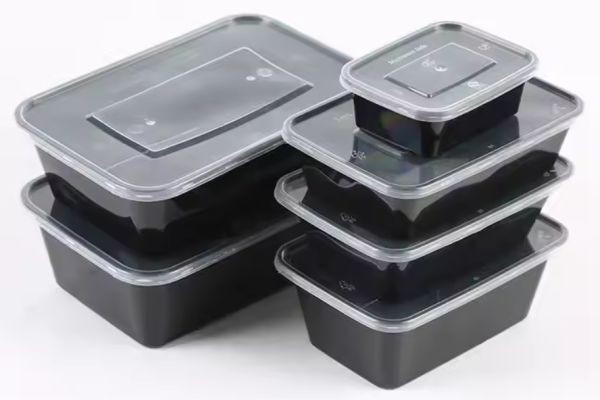
Plastic packaging is still widely used across industries because it is flexible, lightweight, and cost-effective. But in 2026, it is changing fast. Brands are under pressure to reduce waste, improve design, and meet customer expectations for sustainability and transparency.
Custom plastic packaging is no longer just about holding a product. It is about performance, branding, and environmental responsibility.
Why Plastic Packaging Is Still Relevant
Even with growing sustainability concerns, plastic remains popular for many reasons.
It is valued because it:
- Is lightweight and easy to transport
- Offers strong product protection
- Works well for a wide range of products
- Is cost-efficient for mass production
The focus now is on making it better, not replacing it entirely.
Trend 1: Recycled and Reusable Plastic Materials
One of the biggest shifts is the move toward recycled content.
Brands are adopting:
- Post-consumer recycled plastic (PCR)
- Reusable packaging designs
- Closed-loop recycling systems
- Reduced virgin plastic usage
This helps lower environmental impact.
Trend 2: Minimal Plastic Usage Design
Less is becoming more in plastic packaging. Brands are reducing unnecessary material.
This includes:
- Thinner but stronger packaging
- Eliminating excess layers
- Simplified product containers
- Compact packaging formats
Efficiency is becoming a priority.
Trend 3: Transparent Packaging for Trust
Clear packaging is gaining popularity because customers want to see what they are buying.
It improves:
- Product visibility
- Customer trust
- Purchase confidence
- Shelf appeal in retail environments
Transparency creates honesty in branding.
Trend 4: Smart Plastic Packaging
Technology is being added to packaging to improve user experience and tracking.
Common features include:
- QR codes for product details
- Digital instructions and manuals
- Authentication and anti-counterfeit tags
- Interactive customer engagement tools
Smart packaging connects physical and digital experiences.
Trend 5: Eco-Friendly Plastic Alternatives
New materials are emerging to reduce environmental impact.
These include:
- Biodegradable plastics
- Compostable polymer blends
- Plant-based plastic alternatives
- Hybrid eco-material packaging
These options are gaining popularity in regulated markets.
Trend 6: Premium Finishes and Aesthetics
Plastic packaging is also becoming more visually appealing.
Brands are using:
- Frosted and matte finishes
- Metallic accents
- Embossed textures
- High-quality printing techniques
This helps elevate brand perception.
Trend 7: Functional and User-Friendly Design
Modern plastic packaging focuses heavily on usability.
It improves by:
- Easy-open and resealable designs
- Leak-proof containers
- Ergonomic shapes for handling
- Space-saving structures
Convenience is a key selling point.
Trend 8: Industry-Specific Customization
Plastic packaging is being tailored more precisely for different industries.
Examples include:
- Food-grade safety packaging for edible products
- Durable containers for industrial goods
- Cosmetic packaging with luxury appeal
- Medical-grade sterile packaging solutions
Customization improves performance and compliance.
Trend 9: Brand Storytelling Through Packaging
Packaging is now used as a communication tool, not just a container.
Brands include:
- Messaging about sustainability efforts
- Product origin stories
- Usage instructions and benefits
- Brand values and mission statements
Packaging builds emotional connection.
Final Thoughts
Custom plastic packaging in 2026 is evolving quickly. It is becoming more sustainable, more functional, and more brand-focused. While plastic is still widely used, the way it is designed and produced is changing significantly.
Brands that focus on recycled materials, smart design, and customer experience will stay ahead in a competitive market. Plastic packaging is not disappearing—it is being redefined.






