
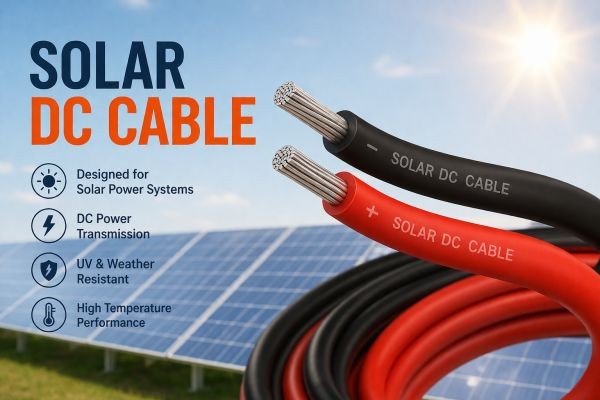
A DC Cable is used to carry direct current (DC) electricity generated by solar panels to other components of the solar system, such as the inverter. Since solar panels produce DC power, these cables are essential for transferring energy safely and efficiently.
A high-quality DC Cable is specifically designed to handle outdoor conditions, temperature changes, and long-term exposure to sunlight.
Why the Right Cable Matters
Many people underestimate the impact that a DC Cable can have on overall system performance. Poor-quality cables may increase resistance, causing energy losses before electricity even reaches the inverter.
By using the correct DC Cable, solar systems can operate more efficiently and deliver better energy output over time.
Risks of Choosing the Wrong DC Cable
Selecting an unsuitable DC Cable can create several problems, including:
Energy Loss
Low-quality or incorrectly sized cables can reduce the amount of electricity delivered from the solar panels. Even small losses can add up significantly over the life of the system.
Safety Concerns
A poor DC Cable may overheat under certain conditions, increasing the risk of electrical faults and system failures.
Higher Maintenance Costs
Using the wrong DC Cable can lead to premature wear and damage, resulting in expensive repairs or replacements.
Features of a Quality DC Cable
When selecting a DC Cable for a solar installation, look for the following features:
- UV resistance
- Weather resistance
- High-temperature tolerance
- Strong insulation
- Long service life
These characteristics help ensure reliable performance in outdoor environments.
How Cable Size Affects Performance
The size of a DC Cable is an important factor in system efficiency. If the cable is too small, voltage drop may occur, reducing the amount of usable energy reaching the inverter.
Professional installers carefully calculate the correct DC Cable size based on system capacity, distance, and electrical requirements.
Benefits of Using the Correct DC Cable
Investing in the right DC Cable offers several advantages:
- Improved system efficiency
- Reduced energy losses
- Enhanced safety
- Lower maintenance costs
- Longer system lifespan
These benefits help maximize the return on your solar investment.
Common Mistakes to Avoid
When purchasing a DC Cable, avoid these common mistakes:
- Choosing based only on price
- Ignoring quality certifications
- Using indoor cables outdoors
- Selecting the wrong cable size
- Overlooking manufacturer recommendations
Making informed decisions can prevent costly issues later.
Why Professional Installation Matters
Even the best DC Cable may not perform properly if installed incorrectly. Professional installers understand cable routing, connection methods, and safety standards that help ensure reliable operation.
Proper installation is just as important as selecting a high-quality cable.
Conclusion
A DC Cable may seem like a small component, but it plays a critical role in the safety and performance of any solar energy system. Choosing the wrong DC Cable can lead to energy losses, maintenance expenses, and potential safety concerns.






