
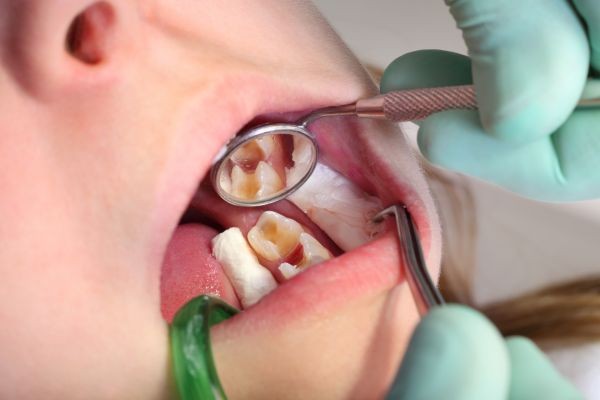
When it comes to maintaining a bright and confident smile, the health and appearance of the front teeth are often a top priority. These teeth are the most visible when you laugh, speak, or smile, making any damage or decay a common source of concern. Dental tooth filling for front teeth is a straightforward and effective solution designed to restore both the function and the natural look of your smile. Understanding the Dental Tooth Filling in Dubai [https://www.royalclinicdubai.com/en-ae/general-dentistry/dental-tooth-filling/] the materials used, and what to expect can help anyone feel more at ease when considering this common dental treatment.
Understanding Front Tooth Fillings
Front teeth, also known as anterior teeth, play a unique role in the mouth. They are primarily used for biting into food and are essential for clear speech and pronunciation. Because of their prominent position, they are also a key component of facial aesthetics. When a front tooth develops a cavity, a crack, or minor damage, a filling is often the recommended course of action. The goal of a front tooth filling is not just to stop decay or repair damage but to do so in a way that seamlessly blends with the surrounding teeth. Unlike fillings for back teeth, which must withstand significant chewing forces, front tooth fillings prioritize aesthetics and a natural appearance. The process involves cleaning out any decayed or damaged portion of the tooth and filling the space with a durable material that mimics the look of natural enamel.
Types of Materials Used for Front Tooth Fillings
The choice of material for a front tooth filling is crucial because it must match the color, translucency, and texture of the natural tooth. Several options are available, each with its own set of characteristics.
Tooth-colored composite resin is the most popular and widely used material for front teeth. This material is highly favored because it can be precisely color-matched to the surrounding teeth. The dentist applies the resin in layers, shaping it to recreate the natural contours of the tooth. A special light is then used to harden each layer, resulting in a strong and beautiful restoration. Composite resin bonds directly to the tooth structure, which can actually help support the remaining tooth and prevent further breakage. Its ability to mimic the light-reflecting properties of natural enamel makes it an excellent choice for visible areas.
The Procedure for Getting a Front Tooth Filling
The process of receiving a dental tooth filling for a front tooth is typically quick, comfortable, and completed in a single visit. Before the procedure begins, the dentist will conduct a thorough examination, often using X-rays, to determine the extent of the decay or damage. This helps in planning the best approach for the restoration.
Once the treatment plan is established, the area around the affected tooth is numbed using a local anesthetic to ensure the patient remains comfortable throughout the procedure. For those who feel anxious, sedation options may be discussed to help them relax. After the tooth is numb, the dentist will gently remove any decayed or weakened portions of the tooth using specialized instruments. The goal is to leave behind a clean, healthy surface that the filling material can securely bond to.
After the decay is removed, the tooth is prepared for the filling. An etching gel or solution is applied to the surface of the tooth to create a slightly rough texture. This is a critical step because it allows the filling material to form a strong, micromechanical bond with the tooth. The gel is then rinsed off, and the tooth is carefully dried. For composite resin fillings, a bonding agent is applied, which acts like a double-sided tape to help the resin adhere firmly to the tooth structure. This agent is also cured with a special light.
Benefits of Choosing a Front Tooth Filling
Opting for a dental filling to restore a front tooth comes with numerous benefits that go beyond simply fixing a cavity. The most immediate benefit is the restoration of the tooth's natural appearance. A well-done composite filling is virtually indistinguishable from the surrounding tooth structure, allowing the patient to smile with confidence again. This aesthetic restoration can have a positive impact on self-esteem and social interactions.
From a health perspective, fillings stop the progression of tooth decay. If left untreated, a cavity can grow larger, reaching the inner pulp of the tooth and potentially leading to infection, pain, and the need for more complex treatments like a root canal or even extraction. By filling the cavity early, the tooth's structure and vitality are preserved. Furthermore, the bonding process used for composite fillings actually strengthens the tooth, providing support and reducing the risk of future fractures. The procedure is also minimally invasive, meaning that the dentist only needs to remove the decayed portion, preserving as much of the healthy natural tooth as possible.
Longevity and Durability of Front Tooth Fillings
With proper care, a dental filling on a front tooth can last for many years. The lifespan of a filling depends on several factors, including the size of the filling, the patient's oral hygiene habits, and their dietary choices. On average, composite resin fillings can last between five to seven years or longer. Porcelain restorations tend to have an even longer lifespan, often lasting a decade or more.
The durability of the filling is also influenced by habits such as teeth grinding or clenching, which can place excessive force on the teeth and potentially cause a filling to chip or wear down prematurely. Similarly, using the teeth as tools to open packages or biting on very hard objects like ice or pens can damage the restoration. Regular dental check-ups are essential for monitoring the condition of fillings. During these visits, the dentist can check for any signs of wear, chipping, or leakage around the edges of the filling and address any issues before they become more significant problems.
Frequently Asked Questions
How do I know if I need a filling on my front tooth?
There are several signs that might indicate the need for a filling. You might notice visible holes, pits, or dark spots on the surface of the tooth. Sensitivity to hot, cold, or sweet foods and beverages is another common sign. Sometimes, you might feel a rough edge on the tooth with your tongue, or experience a sharp pain when biting down. Even if you are not experiencing any symptoms, regular dental examinations are important because cavities can sometimes be detected in their earliest stages before they cause noticeable discomfort.
Will the filling be noticeable?
One of the main concerns people have about front tooth fillings is whether they will be visible. With modern materials and techniques, the goal is always to make the restoration as invisible as possible. The dentist will carefully select a shade of composite resin that precisely matches the color of your natural teeth. Through skillful sculpting and polishing, the filling is blended to mimic the natural contours and translucency of the tooth, making it very difficult to detect.
Is the procedure painful?
Most patients find the procedure to be relatively painless. The use of local anesthesia numbs the area being worked on, so you should not feel any drilling or discomfort during the decay removal and filling process. You might feel some pressure or vibration, but not sharp pain. After the procedure, as the anesthesia wears off, the tooth and surrounding gums might feel a little sensitive for a day or two, but this is usually mild and temporary.
How long does the procedure take?
The time required for a front tooth filling depends on the size and complexity of the cavity. For a small to medium-sized cavity, the entire procedure can often be completed in about thirty minutes to an hour. This makes it a convenient option that can often be done during a lunch break or between other commitments.
What should I do if my filling breaks or falls out?
If a filling becomes loose, chips, or falls out, it is important to contact a dental professional to have it evaluated and repaired as soon as possible. A lost or damaged filling leaves the underlying tooth structure exposed and vulnerable to bacteria, which can lead to new decay or damage. Until you can be seen, it is helpful to keep the area clean by gently brushing and rinsing with warm water. Avoiding chewing on that side of the mouth can also help prevent further issues.
Can a filling be used for more than just a cavity?
Yes, dental fillings, particularly composite resin, are versatile. They can also be used for other cosmetic and restorative purposes on front teeth. For instance, they can repair small chips or cracks in the enamel. They can also be used to reshape a tooth slightly or to close small gaps between teeth, a procedure sometimes referred to as cosmetic bonding. This makes fillings a valuable tool for making minor improvements to a smile in a quick and effective way.
Book Us
If you are looking to restore the natural beauty and health of your smile, we are here to help. At Enfield Royal Clinic Dubai [https://www.royalclinicdubai.com/en-ae/] we understand how important your front teeth are to your confidence and daily life. Our team is dedicated to providing gentle, personalized care using the latest techniques in tooth-colored fillings to ensure your results look completely natural and feel comfortable. We invite you to schedule a consultation to discuss your needs and explore how a front tooth filling can make a positive difference in your smile. Contact us today to book your appointment and take the first step toward a healthier, more radiant smile.






