
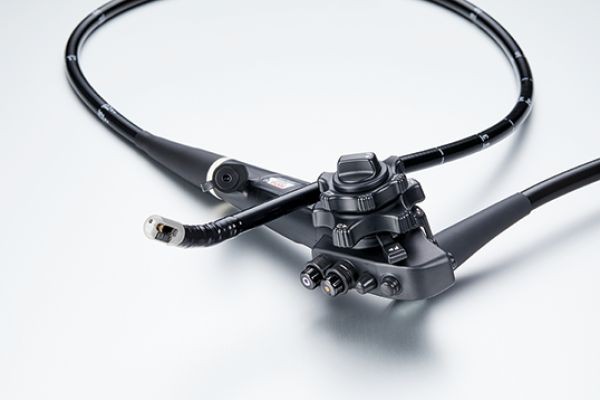
Disposable Endoscopes Market Restraints
Introduction
The disposable endoscopes market has emerged as a significant segment in modern healthcare, offering solutions to persistent challenges such as infection control, procedural efficiency, and patient safety. Single-use endoscopes eliminate the need for sterilization, reduce cross-contamination risks, and streamline workflow in hospitals, surgical centers, and outpatient clinics.
However, despite these advantages, the market faces several restraints that could impact growth. These challenges stem from economic, technological, environmental, and operational factors. Understanding the key restraints is essential for manufacturers, healthcare providers, and investors to navigate barriers, optimize strategies, and ensure sustainable market expansion.
This article explores the primary restraints affecting the disposable endoscopes market and discusses potential solutions and mitigation strategies.
High Cost of Disposable Devices
A major restraint in the disposable endoscopes market is the relatively high cost per device. While single-use instruments reduce sterilization, labor, and maintenance expenses, the upfront cost remains higher than that of reusable endoscopes.
Healthcare facilities with high procedure volumes may find the cumulative cost significant, potentially limiting widespread adoption. Budget constraints, particularly in emerging markets, often result in healthcare providers prioritizing cost savings over infection control or workflow efficiency benefits.
To address this restraint, manufacturers must focus on cost optimization strategies, including scaling production, improving manufacturing efficiency, and highlighting the long-term economic advantages of disposable devices.
Environmental Concerns and Waste Management
Disposable endoscopes generate medical waste, including plastics, electronic components, and packaging materials. Growing awareness of environmental sustainability has made hospitals and regulatory bodies increasingly concerned about the ecological impact of single-use devices.
Proper disposal and recycling programs are limited in many regions, creating environmental challenges. Regulatory pressure to minimize medical waste and promote sustainability can restrict adoption or increase operational costs for healthcare facilities using disposable endoscopes.
Manufacturers are exploring solutions such as eco-friendly materials, biodegradable components, and recycling programs, but balancing environmental responsibility with cost and clinical performance remains a key restraint.
Technological Limitations
Although disposable endoscopes have advanced considerably in recent years, they still face technological restraints compared to reusable devices. High-end reusable endoscopes may offer superior imaging resolution, procedural flexibility, and multi-application functionality.
Disposable devices may not always match the advanced features or customization required for complex procedures. This technological gap can influence clinician preference and limit adoption in specialized medical settings. Continuous innovation in imaging, device design, and procedure-specific solutions is necessary to overcome this restraint.
Clinician Resistance and Training Needs
Adoption of disposable endoscopes can be slowed by resistance from healthcare professionals. Many clinicians are accustomed to reusable devices and may question the performance, image quality, or handling of single-use alternatives.
Training programs are necessary to familiarize healthcare providers with disposable devices, their clinical benefits, and proper handling techniques. Without adequate education and demonstration of efficacy, clinician resistance remains a significant restraint to market growth.
Regulatory Challenges
Disposable endoscopes are subject to stringent regulatory requirements to ensure patient safety and device efficacy. Navigating diverse regulations across regions can be complex, time-consuming, and expensive for manufacturers.
Regulatory restraints include device approval processes, quality control standards, and post-market surveillance requirements. Delays or difficulties in meeting these regulations can restrict market entry, slow adoption, and increase operational costs. Manufacturers must invest in compliance expertise and proactive regulatory strategies to mitigate this restraint.
Limited Awareness in Emerging Markets
In emerging regions, awareness of the clinical and operational benefits of disposable endoscopes may be limited. Healthcare providers may lack knowledge about infection control advantages, workflow efficiency, or total cost-of-ownership benefits compared to reusable devices.
Low awareness can result in slow adoption and reduced market penetration in regions that otherwise offer high growth potential. Education, awareness campaigns, and local partnerships are critical strategies to address this restraint.
Supply Chain and Manufacturing Constraints
The production of disposable endoscopes involves complex supply chains, including sourcing high-quality plastics, electronics, and precision components. Any disruption in raw materials, manufacturing, or logistics can restrict product availability and slow market growth.
Additionally, manufacturers must balance cost pressures with quality assurance, as defects or inconsistencies can compromise clinical outcomes and regulatory compliance. Efficient supply chain management and contingency planning are essential to overcome this restraint.
Market Competition and Fragmentation
The disposable endoscopes market is becoming increasingly competitive, with multiple manufacturers entering the segment. While competition drives innovation, it also creates market fragmentation, making differentiation and pricing challenging.
Inconsistent device quality or performance standards across different suppliers can cause hesitation among healthcare providers, limiting adoption. Manufacturers must focus on product innovation, clinical validation, and strategic partnerships to address this restraint.
Economic and Policy-Related Restraints
Economic fluctuations and healthcare policy changes can influence the adoption of disposable endoscopes. Budget cuts, reduced reimbursement rates, or changes in public healthcare priorities may restrict spending on higher-cost disposable devices.
Policy changes related to medical waste management, infection control regulations, and procurement standards can also impact market growth. Companies must remain agile and adapt strategies to evolving economic and policy landscapes to overcome these restraints.
Future Directions and Mitigation Strategies
To address the restraints in the disposable endoscopes market, manufacturers and healthcare providers can consider several strategies:
-
Cost Optimization: Scaling production, reducing manufacturing costs, and highlighting total cost-of-ownership advantages.
-
Sustainability Initiatives: Using eco-friendly materials, implementing recycling programs, and promoting responsible disposal practices.
-
Technological Innovation: Improving imaging, flexibility, and procedure-specific features to match or exceed reusable devices.
-
Clinician Education: Offering training programs, demonstrations, and clinical evidence to build confidence in disposable devices.
-
Regulatory Engagement: Proactively navigating approvals, ensuring compliance, and maintaining quality standards across regions.
-
Awareness Programs: Educating healthcare providers in emerging markets about the benefits and value of disposable endoscopes.
-
Supply Chain Resilience: Diversifying suppliers, improving logistics, and maintaining quality assurance to prevent disruptions.
Conclusion
The disposable endoscopes market offers significant growth opportunities driven by patient safety, infection control, and operational efficiency. However, several restraints—including high costs, environmental concerns, technological limitations, clinician resistance, regulatory complexity, supply chain challenges, and economic constraints—pose barriers to adoption.
By focusing on innovation, sustainability, education, regulatory compliance, and operational efficiency, manufacturers and healthcare providers can mitigate these restraints. Strategic interventions will ensure that disposable endoscopes continue to play a vital role in modern healthcare, delivering safer procedures, improved efficiency, and optimized patient outcomes while navigating market limitations.






