
Hair masks are widely celebrated for their ability to nourish, repair, and strengthen hair, but a common concern holds many people back from using them: “Do hair masks make hair greasy?” With social media DIY trends and conflicting advice online, it can be hard to separate fact from fiction. Understanding how hair masks work, the role of ingredients, and proper usage is key to dispelling myths and achieving healthy, shiny hair.
Understanding How Hair Masks Work
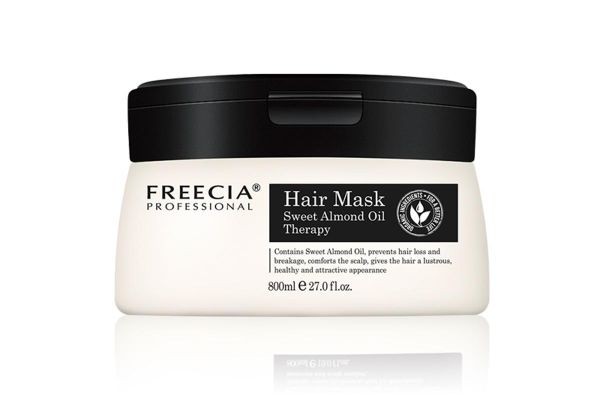
Hair masks are intensive treatments designed to penetrate the hair shaft, delivering moisture, proteins, vitamins, and oils that repair damage and restore shine. Unlike regular conditioners, hair masks work on a deeper level, targeting both the surface and internal structure of hair. Professional hair masks, such as those from Freecia, are formulated to nourish hair efficiently without leaving it heavy or greasy when used correctly.
The idea that hair masks make hair greasy usually comes from misuse or choosing the wrong product for your hair type. Let’s explore this in detail.
Myth 1: All Hair Masks Make Hair Greasy
Not all hair masks are greasy. The texture of a mask varies depending on its ingredients and formulation. Some masks are creamy or oil-based, while others are lightweight or gel-like. Heavy, oil-rich masks can feel greasy if applied incorrectly, but modern professional masks are designed to absorb efficiently into the hair, leaving it soft and manageable rather than oily.
Myth 2: Applying Hair Masks Frequently Causes Greasiness
While overuse can sometimes cause residue, using a hair mask once or twice a week is generally safe and beneficial. Daily application, especially of heavy, oil-based masks, may make hair appear weighed down. This does not mean masks are inherently greasy it simply emphasizes the importance of following usage guidelines and selecting the right mask for your hair type.
Myth 3: Hair Masks Should Be Applied to the Scalp
Applying a hair mask directly to the scalp is a common reason hair becomes greasy. Most masks are meant for mid-lengths to ends, where hair tends to be drier and more prone to damage. Scalp application is only necessary for specialized treatments targeting scalp health, not general hair repair. Applying masks correctly prevents greasy roots and maximizes effectiveness.
Facts About Hair Masks and Greasiness
1. Hair Type Matters
Fine or oily hair may feel heavier after certain masks, while dry or damaged hair absorbs them well. Choosing a mask formulated for your hair type like Freecia’s range of masks ensures balanced hydration without greasiness.
2. Ingredient Balance Is Key
Professional hair masks contain a balanced mix of proteins, oils, and humectants. Oils provide moisture, proteins strengthen hair, and humectants retain water. This combination nourishes hair without leaving a greasy residue, unlike DIY masks that may contain excessive oils.
3. Correct Application Prevents Greasiness
- Apply from mid-lengths to ends
- Avoid the scalp unless specified
- Use the recommended amount more isn’t always better
- Rinse thoroughly after the suggested duration
Following these steps ensures hair absorbs nutrients without looking oily.
4. Professional Masks Are Designed to Absorb
Unlike some DIY masks or heavy natural oils, professional masks like Freecia hair masks are scientifically formulated for deep penetration. They deliver maximum nourishment while leaving hair lightweight and soft.
Why Hair Masks Are Still Essential
Despite the fear of greasiness, hair masks remain a crucial step in hair care. Regular use strengthens strands, repairs heat or chemical damage, prevents split ends, and improves manageability. Hair masks are not meant to replace shampoo or conditioner; they are supplementary treatments that provide intensive care, which is why proper usage is critical.
DIY Hair Masks vs Professional Masks
Many people turn to DIY masks using oils like coconut, olive, or castor oil, assuming they are safer. While natural ingredients provide benefits, they can easily make hair greasy if applied in excess or left on too long. Professional masks, like Freecia, balance oils, proteins, and hydration factors for optimal results without weighing hair down.
Conclusion
Hair masks do not inherently make hair greasy. Greasiness usually results from applying too much product, leaving it on too long, or using masks not suited for your hair type. When used correctly, masks restore moisture, repair damage, and improve shine, leaving hair soft, strong, and healthy. Choosing a professional, scientifically formulated mask like those from Freecia ensures your hair receives balanced nourishment without residue or heaviness. With proper use and product selection, you can enjoy all the benefits of a hair mask while avoiding greasiness, making it the Best Hair Mask in Pakistan for smooth, revitalized hair.






