
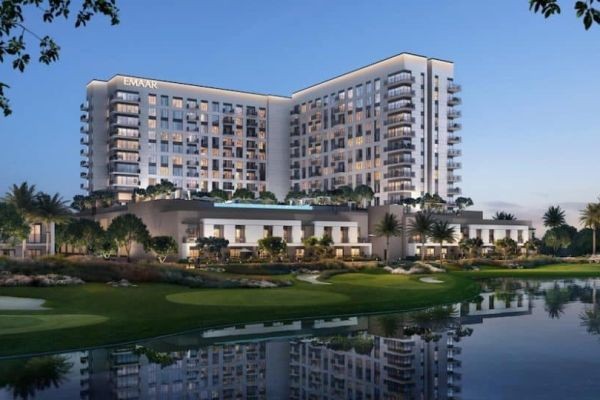
Buying off-plan property in Dubai means you purchase a home before the developer finishes building it. You pay in stages, often at a lower price than a ready home, and you own the unit once it is complete. Dubai has built strong rules to protect buyers, so this option is now one of the safest ways to enter the market. This guide explains how it works, what it costs, and how to avoid common mistakes.
What Does Off-Plan Property Mean?
Off-plan property is a home you buy directly from the developer while it is still under construction. You sign a contract, pay a deposit, and follow a payment plan until the building is ready. Many buyers choose this route because prices are usually lower than a completed Dubai property, and payment plans spread the cost over several years.
How Off-Plan Differs From Ready Homes
A ready home is finished and ready to move into today. An off-plan home is a promise backed by a contract, a payment schedule, and government oversight. Ready homes suit buyers who want to move in fast. Off-plan homes suit buyers who want a lower price, a longer payment plan, and the chance for capital appreciation before handover.
Why Buyers Choose Off-Plan Property in Dubai
Dubai's off-plan market keeps growing because it offers real benefits alongside real protection.
Lower Entry Price and Better ROI Potential
Off-plan units usually cost less per square foot than finished homes in the same area. If the project and the neighborhood grow in value, your return on investment can be strong once you receive the title deed.
Flexible Payment Plans
Instead of paying the full price upfront, you pay in installments tied to construction milestones. Some developers also offer post-handover plans, so you keep paying even after you move in.
Access to the Golden Visa
Off-plan buyers who reach the AED 2 million threshold can now apply for the 10-year Golden Visa, even before finishing every payment. This rule changed in 2026 and opened the door to many more investors.
How Dubai Protects Off-Plan Buyers
The Role of RERA and DLD
The Real Estate Regulatory Agency (RERA) and the Dubai Land Department (DLD) control every step of a property sale. No developer can launch a project without their approval, and no buyer should sign a contract without checking their records first.
Escrow Accounts Keep Your Money Safe
Every off-plan project must have its own escrow account. Your payments go straight into this account, not into the developer's personal funds. The developer can only withdraw money as construction reaches approved milestones. This single rule is the biggest reason off-plan buying in Dubai is considered safe today.
Oqood Registration Protects Your Ownership
Oqood is a digital certificate that registers you as the buyer before the building even exists. It stops a developer from selling the same unit twice and later converts into a full title deed once construction ends.
How to Buy Off-Plan Property Step by Step
Search Verified Property Listings
Start with verified property listings from a licensed agent or a trusted portal. This step alone can save you from fraud, since fake listings and unregistered projects are still a risk in any growing market.
Confirm Developer and Project Registration
Check the RERA registration number and confirm the project has an approved escrow account. You can do this through the Dubai REST app in a few minutes.
Step 3: Review the Sale and Purchase Agreement
Read the payment schedule, the handover date, and the delay penalty clause carefully. A good agreement protects you if the developer misses deadlines.
Step 4: Pay Into the Escrow Account
Never send money to a personal or company account. Always confirm the IBAN matches the project's official escrow account before you pay.
Step 5: Track Construction and Prepare for Handover
Follow construction updates, inspect the unit at handover, and log any defects. Five percent of your payment usually stays in escrow for a year after handover to cover repairs.
Costs to Budget Beyond the Purchase Price
Buying a home costs more than the listed price. Plan for these extra fees:
- DLD transfer fee: four percent of the property value
- Agent commission: usually two percent
- Developer administration fees
- Annual service charges once you own the unit
- Mortgage fees if you finance the purchase
A safe rule is to add six to eight percent on top of the purchase price for total costs.
Best Areas to Explore for Dubai Property Investment
Dubai Creek Harbour, Dubai Hills Estate, Business Bay, and Jumeirah Village Circle remain popular choices for off-plan buyers. Each area offers a different mix of price, lifestyle, and long-term growth potential, so match your choice to your budget and goals rather than following trends alone.
Common Risks and How to Avoid Them
Construction delays, resale limits, and valuation gaps at handover are the main risks. You reduce these risks by choosing developers with a strong delivery record, reading your contract closely, and always confirming escrow details before every payment. A clear freehold title, a licensed developer, and full transparency across every listing are what separate a safe Dubai property purchase from a risky one.
Frequently Asked Questions
Is off-plan property safe to buy in Dubai?
Yes. Escrow accounts, RERA registration, and Oqood registration give buyers strong legal protection compared to many other markets.
How much deposit do I need for off-plan property?
Most projects ask for a deposit between ten and twenty percent, followed by installments tied to construction progress.
Can foreigners buy off-plan property in Dubai?
Yes. Foreign buyers can own freehold property in designated areas, including most major off-plan projects.
What happens if the developer delays the project?
Your contract should include a delay penalty and cancellation clause. RERA rules also give buyers compensation rights if delays go beyond the agreed grace period.
Does off-plan property qualify for the Golden Visa?
Yes. As of 2026, off-plan buyers can apply for the Golden Visa once their property reaches the AED 2 million threshold, even before completing full payment.






