
Many residents and visitors look for acid reflux treatment in dubai because of the city’s advanced healthcare facilities and experienced specialists. With the right care, lifestyle changes, and medical support, acid reflux can be controlled and prevented in most cases.
This article gives a clear and simple overview of acid reflux, its causes, symptoms, available treatments, and prevention methods in Dubai. The goal is to help you understand the condition better and know when to seek professional help.
What Is Acid Reflux?
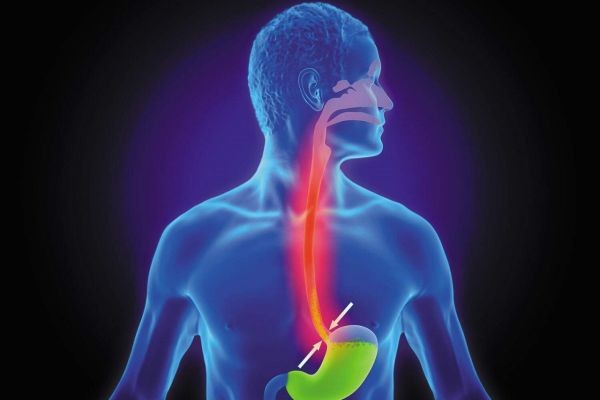
Acid reflux is a condition where stomach acid moves upward into the esophagus, which is the tube that carries food from the mouth to the stomach. Normally, a muscle at the bottom of the esophagus keeps acid in the stomach. When this muscle becomes weak or relaxes at the wrong time, acid can escape.
This backflow of acid can irritate the lining of the esophagus. Over time, it may lead to pain, burning sensations, and other uncomfortable symptoms.
When acid reflux happens frequently, it may be called gastroesophageal reflux disease, or GERD.
Common Symptoms of Acid Reflux
Acid reflux symptoms can vary from person to person. Some people have mild symptoms, while others may feel severe discomfort. Common symptoms include:
-
A burning feeling in the chest or throat
-
Sour or bitter taste in the mouth
-
Difficulty swallowing
-
Feeling of food coming back up
-
Chest discomfort after eating
-
Bloating or gas
-
Chronic cough or sore throat
-
Hoarseness of voice
Symptoms often become worse after meals, when lying down, or during the night.
Causes of Acid Reflux
Several factors can cause or trigger acid reflux. Understanding these causes can help in managing the condition better.
Diet-related causes
Eating large meals, spicy foods, fried items, chocolate, citrus fruits, tomatoes, and fatty foods can increase acid production. Caffeine and carbonated drinks may also worsen symptoms.
Lifestyle habits
Smoking, alcohol consumption, lack of physical activity, and lying down immediately after meals can trigger acid reflux.
Medical conditions
Obesity, pregnancy, hiatal hernia, and delayed stomach emptying can increase pressure on the stomach and lead to reflux.
Medications
Some medicines for pain, blood pressure, or asthma may relax the muscle that prevents acid reflux.
Why Acid Reflux Should Not Be Ignored
Occasional acid reflux is common and usually not serious. However, frequent or untreated acid reflux can cause complications over time.
Possible complications include:
-
Inflammation of the esophagus
-
Narrowing of the food pipe
-
Bleeding or ulcers
-
Long-term damage to the esophagus
-
Increased risk of serious digestive problems
Early diagnosis and proper treatment can prevent these issues and improve quality of life.
Diagnosis of Acid Reflux in Dubai
Healthcare facilities in Dubai use modern methods to diagnose acid reflux accurately. Doctors usually begin with a detailed discussion of symptoms and medical history.
Common diagnostic methods include:
-
Physical examination
-
Review of diet and lifestyle habits
-
Response to medication trials
-
Endoscopy to examine the esophagus and stomach
-
pH monitoring to measure acid levels
-
Imaging tests if needed
These tests help doctors understand the severity of the condition and choose the best treatment plan.
Treatment Options for Acid Reflux
Treatment depends on how often symptoms occur and how severe they are. Most people respond well to a combination of lifestyle changes and medication.
Lifestyle Changes
Lifestyle adjustments are often the first step in managing acid reflux. These changes are simple but very effective.
-
Eat smaller meals throughout the day
-
Avoid lying down for at least two to three hours after eating
-
Maintain a healthy body weight
-
Elevate the head while sleeping
-
Avoid tight clothing around the stomach
-
Quit smoking
-
Reduce alcohol intake
Making these changes can reduce acid production and prevent reflux episodes.
Dietary Modifications
Food plays a major role in acid reflux. Identifying and avoiding trigger foods can bring significant relief.
Foods to limit or avoid:
-
Spicy dishes
-
Fried and oily foods
-
Citrus fruits
-
Tomatoes and tomato-based products
-
Chocolate
-
Coffee and tea
-
Fizzy drinks
Foods that may help:
-
Oatmeal and whole grains
-
Bananas and apples
-
Vegetables
-
Lean meats
-
Low-fat dairy products
Keeping a food diary can help identify which foods trigger symptoms.
Medications
Medications are commonly used to control acid reflux symptoms. Doctors may prescribe medicines based on individual needs.
Common types of medications include:
-
Antacids to neutralize stomach acid
-
Acid reducers to decrease acid production
-
Medications that help strengthen the muscle between the stomach and esophagus
These medicines are effective when used correctly and under medical guidance.
Advanced Treatment Approaches
For people who do not respond to standard treatments, advanced options may be considered. These are usually recommended after careful evaluation.
Advanced approaches may include:
-
Long-term medication plans
-
Specialized procedures to improve stomach function
-
Minimally invasive techniques to reduce reflux
Such treatments are available in well-equipped medical centers across Dubai.
Prevention of Acid Reflux
Preventing acid reflux is often easier than treating it. Simple daily habits can reduce the risk of developing symptoms.
Healthy eating habits
-
Eat slowly and chew food well
-
Avoid overeating
-
Do not skip meals
Healthy lifestyle
-
Stay active with regular exercise
-
Manage stress levels
-
Maintain good posture during and after meals
Sleep habits
-
Avoid eating late at night
-
Sleep on the left side if symptoms occur at night
-
Use pillows to elevate the upper body
Consistency in these habits can prevent frequent reflux episodes.
Acid Reflux and Daily Life
Living with acid reflux can affect sleep, work, and social activities. However, with proper management, most people can live comfortably.
Being aware of triggers, following treatment plans, and making lifestyle changes can help keep symptoms under control. Regular follow-ups with a healthcare provider are important for long-term management.
When to See a Doctor
You should seek medical advice if:
-
Symptoms occur frequently
-
Pain becomes severe
-
Difficulty swallowing develops
-
Symptoms do not improve with basic changes
-
There is unexplained weight loss
-
Vomiting or bleeding occurs
Early consultation can prevent complications and help create an effective treatment plan.
Why Dubai Is a Preferred Choice for Treatment
Dubai offers high-quality healthcare services with advanced technology and experienced specialists. Patients benefit from modern diagnostic tools, personalized treatment plans, and a patient-focused approach.
The city’s healthcare system supports both residents and visitors looking for effective digestive care in a comfortable and professional environment.
Long-Term Management of Acid Reflux
Acid reflux is often a long-term condition, but it can be managed successfully. Long-term care focuses on symptom control and preventing damage to the digestive system.
Regular monitoring, healthy habits, and following medical advice play a key role in long-term relief. Many people see significant improvement with consistent care.
Conclusion
Acid reflux is a common but manageable digestive condition. Understanding its causes, recognizing symptoms early, and following proper treatment and prevention strategies can greatly improve daily comfort and overall health. With access to modern healthcare options and expert guidance, people seeking best acid reflux treatment in dubai can find effective solutions tailored to their needs.
For expert evaluation and personalized care, consulting a qualified specialist such as Dr. Neil Philip Galletly can help ensure accurate diagnosis and long-term management of acid reflux, leading to better digestive health and improved quality of life.






