
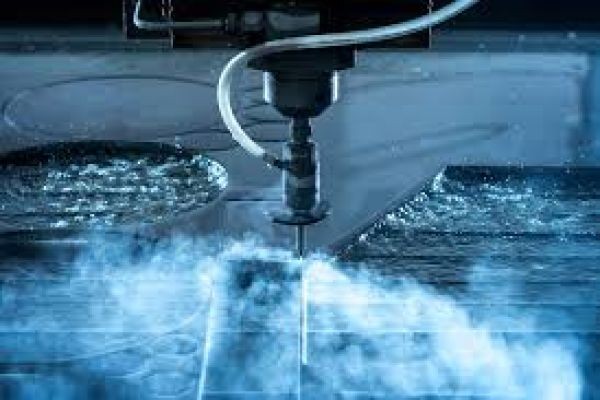
Eco-friendly manufacturing is becoming a priority for industries worldwide as companies aim to reduce pollution, waste, and energy consumption. One technology that stands out in this shift toward sustainable production is waterjet cutting. It offers a precise, versatile, and environmentally responsible alternative to traditional cutting methods that rely on heat, chemicals, or mechanical stress.
Unlike conventional machining processes, waterjet cutting uses a high-pressure stream of water—sometimes mixed with abrasive materials—to cut through metals, stone, glass, composites, and more. This cold-cutting method eliminates many harmful byproducts, making it a key solution for greener manufacturing practices.
Reduced Environmental Impact of Waterjet Cutting
One of the most significant benefits of waterjet cutting is its minimal environmental footprint. Traditional cutting methods like laser or plasma generate heat, fumes, and hazardous gases that contribute to air pollution and workplace health risks. Waterjet technology avoids these issues entirely by using a cold cutting process.
Since it does not rely on burning or melting materials, it also reduces the release of toxic emissions. This makes it an ideal choice for industries focused on sustainability and compliance with environmental regulations.
Key environmental advantages:
- No harmful gas emissions or smoke
- No heat-affected zones (HAZ) on materials
- Reduced air pollution in manufacturing facilities
- Lower environmental compliance costs
- Safe for indoor industrial environments
In addition to cleaner air quality, waterjet cutting helps companies meet strict environmental standards. This is especially important in industries such as aerospace, automotive, and construction, where sustainability certifications are increasingly required.
Another important factor is noise pollution. Although waterjet systems do produce sound, they are generally less disruptive than high-heat cutting systems, contributing to a safer and more comfortable working environment.
Efficient Material Usage and Waste Reduction
Waterjet cutting is known for its exceptional precision, which significantly reduces material waste. Traditional cutting methods often produce uneven edges or require additional finishing, leading to unnecessary material loss. Waterjet systems, however, deliver clean and accurate cuts from the start.
This precision allows manufacturers to maximize material usage, especially when working with expensive raw materials like titanium, stainless steel, or composites. By optimizing layout and nesting, companies can significantly reduce scrap rates.
Waste reduction benefits:
- High-precision cuts reduce material scrap
- Minimal need for secondary finishing
- Better nesting efficiency for raw materials
- Reduced cost of wasted materials
- Improved production yield per sheet
Another advantage is that waterjet cutting can handle complex shapes without compromising accuracy. This reduces the need for multiple machines or repeated processing steps, further lowering waste generation.
Additionally, because there is no thermal distortion, parts maintain their original integrity, eliminating rejected pieces caused by warping or heat damage.
Energy Efficiency in Manufacturing Operations
Energy consumption is a major concern in modern manufacturing, and waterjet cutting offers a more energy-efficient alternative compared to thermal cutting systems. While it uses high-pressure pumps, it avoids the continuous high energy demand associated with lasers or plasma arcs.
Modern waterjet machines are designed with energy-saving technologies such as variable pump controls and optimized pressure systems. These innovations help reduce electricity consumption during both idle and active cutting phases.
Energy efficiency advantages:
- Lower overall energy consumption compared to laser cutting
- Efficient pump systems with adjustable pressure
- Reduced standby energy usage
- Less heat generation, reducing cooling requirements
- Improved long-term operational efficiency
Another important factor is reduced cooling demand. Unlike thermal cutting systems that require cooling units to manage heat output, waterjet cutting produces no heat-affected zones, eliminating the need for additional cooling infrastructure.
Over time, these energy savings contribute not only to environmental benefits but also to lower operational costs, making waterjet technology both eco-friendly and economically attractive.
Versatility Across Sustainable Manufacturing Applications
One of the standout features of waterjet cutting is its ability to work with a wide range of materials without changing tools or processes. This versatility reduces the need for multiple machines, which in turn lowers resource consumption and manufacturing complexity.
From metals and ceramics to rubber and glass, waterjet systems can cut almost any material with high precision. This makes it especially valuable in industries that prioritize sustainability and material efficiency.
Versatility benefits in manufacturing:
- Cuts metals, composites, glass, and stone
- No tool changes required for different materials
- Suitable for delicate and heat-sensitive materials
- Supports complex industrial applications
- Reduces need for multiple specialized machines
Another sustainability advantage is that waterjet cutting is ideal for recycling and repurposing materials. Since it does not damage material structure through heat, leftover pieces can often be reused or recycled more easily.
This flexibility also supports innovation in product design. Engineers can experiment with complex geometries without worrying about environmental impact or material limitations.
Cleaner Production and Workplace Safety Improvements
Clean production is a major component of eco-friendly manufacturing, and waterjet cutting contributes significantly to safer and cleaner industrial environments. Because it does not produce toxic fumes or airborne particles from burning materials, it reduces health risks for workers.
Additionally, waterjet systems often use enclosed cutting environments that minimize splash and debris, improving overall workplace cleanliness. This helps companies maintain higher safety standards and comply with occupational health regulations.
Workplace safety benefits:
- No toxic fumes or hazardous smoke
- Reduced airborne dust and particles
- Safer working conditions for operators
- Less risk of burns or fire hazards
- Improved compliance with safety regulations
Another important factor is the reduction of fire risk. Unlike plasma or laser cutting, waterjet cutting does not involve extreme heat, making it safer for facilities that handle flammable materials.
This improved safety also reduces downtime caused by accidents or ventilation issues, contributing to smoother and more reliable production processes.
Conclusion
Waterjet cutting is a powerful technology driving the future of eco-friendly manufacturing. Its ability to reduce emissions, minimize waste, conserve energy, and improve workplace safety makes it one of the most sustainable cutting methods available today.
As industries continue to prioritize environmental responsibility, the adoption of waterjet cutting will likely expand across sectors such as aerospace, automotive, construction, and electronics. Its combination of precision, versatility, and sustainability positions it as a key solution for modern green manufacturing practices.
By integrating waterjet cutting into production systems, manufacturers can achieve both environmental goals and operational efficiency—creating a win-win outcome for businesses and the planet.






