
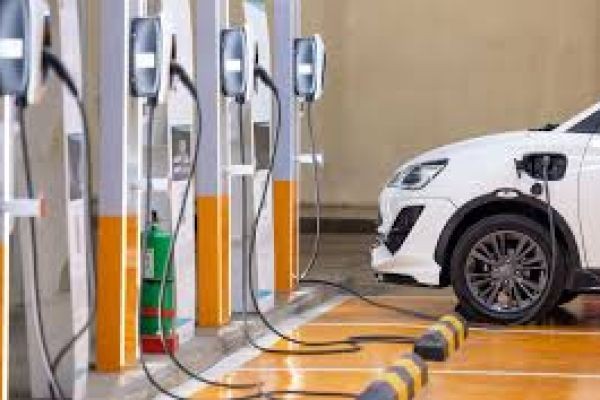
The rapid adoption of electric vehicles (EVs) is transforming the global transportation landscape, but the growth of supporting infrastructure remains complex. The electric vehicle charging station market is expanding steadily, yet several growth challenges continue to influence its pace and scalability. These challenges span financial, technical, operational, and regulatory dimensions, requiring coordinated efforts from stakeholders to ensure long-term success.
High Capital Investment and Cost Pressures
One of the primary growth challenges in the electric vehicle charging station market is the high capital investment required for infrastructure development. Establishing charging stations involves significant costs related to equipment, installation, grid connectivity, and maintenance.
For many companies, especially new entrants, these financial demands create barriers to expansion. Additionally, the uncertainty surrounding utilization rates and return on investment makes it difficult to justify large-scale deployments in early-stage markets. This slows down infrastructure growth, particularly in less-developed regions.
Grid Limitations and Energy Demand Management
The increasing number of EVs is placing considerable pressure on existing power grids. Many regions lack the capacity to support widespread charging infrastructure, leading to concerns about reliability and efficiency.
Managing peak demand is another critical issue. Simultaneous charging by multiple vehicles can strain the grid, resulting in higher operational costs and potential disruptions. Without proper grid upgrades and smart energy management systems, this challenge could significantly impact market growth.
Lack of Standardization and Interoperability
The absence of universal standards for charging technologies is a major obstacle to market expansion. Different connector types, communication protocols, and charging systems create compatibility issues for users.
This fragmentation leads to a disjointed user experience, where EV owners may struggle to access certain charging stations. Limited interoperability between networks further complicates the situation, reducing convenience and slowing adoption rates.
Efforts to establish common standards are ongoing, but progress varies across regions, making this a persistent challenge.
Uneven Infrastructure Distribution
The uneven distribution of charging infrastructure is another key growth challenge. Urban areas often benefit from extensive charging networks, while rural and remote regions remain underserved.
This imbalance limits accessibility and contributes to range anxiety among potential EV buyers. Without adequate charging options in all regions, widespread adoption of electric vehicles becomes difficult.
Expanding infrastructure in less-developed areas requires strategic planning and significant investment, which can be challenging to achieve.
Technological Constraints and Reliability Issues
While charging technology has advanced, certain limitations still affect market growth. Charging times for slower systems can be inconvenient, especially for users who rely on public infrastructure. Although fast-charging solutions are available, they are often more expensive and not yet universally accessible.
Reliability is another concern. Equipment failures, software glitches, and connectivity issues can disrupt the charging process, leading to user dissatisfaction. Ensuring consistent performance and minimizing downtime are essential for building trust and supporting market expansion.
Regulatory and Policy Challenges
Regulatory complexities can hinder the development of charging infrastructure. Different regions have varying policies, permitting processes, and compliance requirements, which can delay project implementation.
Inconsistent regulations and lack of clear guidelines create uncertainty for investors and developers. While many governments are promoting EV adoption, the effectiveness of policy execution varies, impacting overall market growth.
Harmonizing regulations and providing clear policy frameworks are crucial for overcoming these challenges.
Land Availability and Installation Barriers
Securing suitable locations for charging stations is often a difficult task, particularly in densely populated urban areas. High land costs and zoning restrictions can limit the availability of installation sites.
In addition, integrating charging infrastructure into existing buildings or public spaces may require significant modifications, increasing both time and cost. These factors can slow down the deployment of new charging stations.
Cybersecurity and Data Management Concerns
As charging infrastructure becomes more connected and digitalized, cybersecurity risks are emerging as a significant challenge. Charging networks rely on software systems, mobile applications, and payment platforms, all of which can be vulnerable to cyber threats.
Data privacy is another concern, as charging systems collect user information and transaction data. Ensuring robust security measures and compliance with data protection regulations is essential for maintaining user trust.
Competition and Market Fragmentation
The growing number of players in the market is intensifying competition. While this encourages innovation, it also leads to pricing pressures and reduced profit margins for operators.
Market fragmentation, with multiple providers offering different solutions, can create confusion for users and hinder seamless access to charging services. Companies must focus on differentiation and strategic partnerships to remain competitive.
Opportunities to Overcome Growth Challenges
Despite these challenges, the market presents numerous opportunities for innovation and improvement. Smart charging systems and advanced energy management technologies can help address grid-related issues and improve efficiency.
Public-private partnerships are playing a crucial role in accelerating infrastructure deployment. Collaboration between governments, energy providers, and technology companies can help overcome financial and operational barriers.
Investments in renewable energy integration, standardization efforts, and user-centric solutions will further support market development.
Future Outlook
The electric vehicle charging station market is expected to evolve as stakeholders work to overcome growth challenges. Technological advancements, improved regulatory frameworks, and increased investments will contribute to market expansion.
Efforts to enhance infrastructure distribution, improve reliability, and strengthen grid capacity will play a key role in shaping the future of the market. As solutions are implemented, the market will become more efficient, accessible, and resilient.
Conclusion
The electric vehicle charging station market growth challenges highlight the complexities involved in building a robust and scalable charging infrastructure. From high costs and grid limitations to regulatory hurdles and technological constraints, these challenges require coordinated efforts to address.
However, they also create opportunities for innovation and strategic development. By tackling these issues effectively, stakeholders can drive long-term growth and support the global transition to sustainable mobility.






