
Technology is becoming smarter every day, and modern devices now depend on intelligent software to perform specific tasks smoothly. From medical equipment and smart appliances to industrial machines and automotive systems, software plays a major role in making these devices reliable and efficient. This is where embedded software development services become essential for businesses looking to build advanced and high-performing products.
Unlike traditional software applications, embedded software is specially designed to work with dedicated hardware systems. It operates within limited memory, storage, and power conditions while still delivering stable performance. Businesses across industries use embedded systems to improve automation, connectivity, and device functionality.
What Is Embedded Software Development?
Embedded software development is the process of creating software for hardware devices that are not considered traditional computers. These systems are designed to perform specific functions efficiently and reliably.
Embedded systems usually include microcontrollers, processors, operating systems, firmware, and communication interfaces. The software is carefully programmed to work directly with hardware components while meeting performance and power requirements.
From simple electronic controllers to complex IoT devices, embedded software helps machines operate intelligently without constant human interaction.
Why Embedded Software Is Important
Modern devices require fast, secure, and reliable software to function properly. Poorly designed software can lead to slow performance, security issues, and hardware failures.
Professional embedded software development services help businesses build software that is optimized for performance, safety, and long-term stability. These services also reduce development risks and improve product quality.
Well-designed embedded software allows devices to:
- Process data quickly
- Communicate with other systems
- Operate with low power consumption
- Perform real-time actions
- Improve device security
Key Services Included in Embedded Software Development
Firmware Development
Firmware is the core software that controls hardware devices. It acts as a bridge between the hardware and higher-level applications.
Firmware development focuses on creating stable and efficient code that allows devices to perform dedicated tasks smoothly.
RTOS Integration
Many embedded devices use Real-Time Operating Systems (RTOS) to handle time-sensitive operations. RTOS integration helps devices respond quickly to inputs and maintain system stability.
This is especially important in industries like healthcare, automotive, and industrial automation.
Device Driver Development
Device drivers allow software to communicate with hardware components such as sensors, displays, and communication modules.
Proper driver development ensures better hardware compatibility and smoother device operation.
IoT Connectivity Solutions
Modern embedded systems often require internet connectivity for remote monitoring and data sharing. Embedded software engineers develop secure communication protocols for IoT-enabled devices.
Testing and System Optimization
Testing is a major part of embedded software development. Engineers test software performance, security, and functionality to ensure devices work correctly under different conditions.
Optimization also improves speed, memory usage, and power efficiency.
Industries Using Embedded Software Development Services
Automotive Industry
Modern vehicles use embedded software for navigation systems, engine control, safety features, and infotainment systems.
Reliable software is critical for maintaining vehicle performance and passenger safety.
Healthcare Devices
Medical equipment such as patient monitors, wearable devices, and diagnostic systems rely heavily on embedded software for accurate performance and data handling.
Consumer Electronics
Devices like smart TVs, mobile phones, gaming consoles, and smart home systems all use embedded software for daily operations.
Industrial Automation
Factories use embedded systems to automate machinery, monitor equipment, and improve productivity through real-time control systems.
Role of an Embedded Software Developer
An embedded software developer designs, develops, and maintains software specifically for embedded devices and systems.
Their responsibilities include:
- Writing efficient code
- Developing firmware
- Testing software functionality
- Integrating hardware and software
- Fixing bugs and improving performance
- Ensuring system security and reliability
These professionals work closely with hardware engineers to build products that function smoothly in real-world environments.
Examples of Embedded Systems
Embedded systems are part of many products we use daily. Common examples include:
- Mobile phones
- Smart televisions
- GPS systems
- Digital cameras
- Microwave ovens
- Washing machines
- Video game consoles
These devices contain dedicated software designed for specific operations and user needs.
Benefits of Embedded Software Development Services
Improved Device Performance
Professional development ensures devices run smoothly and efficiently without software crashes or delays.
Better Security
Secure coding practices protect devices from cyber threats and unauthorized access.
Low Power Consumption
Optimized software helps devices operate with minimal energy usage, which is important for portable and battery-powered products.
Long-Term Reliability
Reliable embedded software reduces maintenance costs and improves product lifespan.
Faster Product Launch
Experienced development teams help businesses complete projects faster and reduce time-to-market.
Future of Embedded Software Development
The future of embedded technology is growing rapidly with advancements in IoT, AI, robotics, and smart automation. Businesses now require intelligent software systems that can process data faster and communicate in real time.
As devices become smarter, the demand for embedded software development services will continue increasing across industries. Companies are investing in secure, scalable, and energy-efficient software solutions to stay competitive in the market.
Conclusion
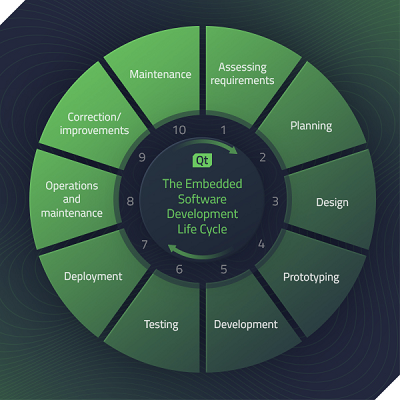
Embedded software development services help businesses create reliable, secure, and high-performance software for smart devices and connected systems. From firmware development and RTOS integration to testing and optimization, these services support the complete software development lifecycle.
With the growing demand for intelligent devices, professional embedded software development plays a major role in improving product performance, automation, and user experience. Whether it is healthcare equipment, automotive systems, industrial automation, or consumer electronics, embedded software remains the foundation of modern smart technology.






