
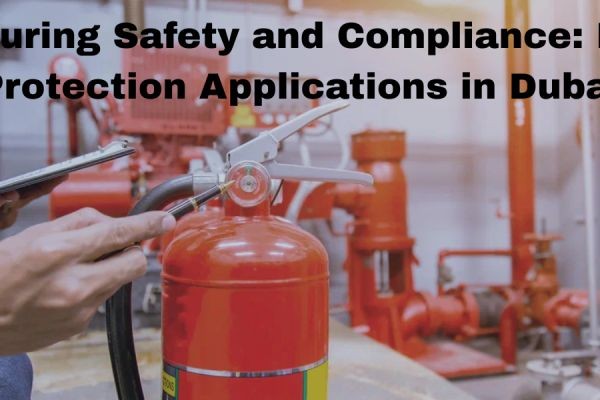
Dubai’s rapid urban development, world-class infrastructure, and diverse industrial landscape make fire protection a critical priority across all sectors. From high-rise residential towers and luxury hotels to oil & gas facilities, warehouses, and transportation hubs, effective fire protection systems are essential to safeguard lives, assets, and business continuity. As regulations become stricter and buildings more complex, fire protection applications in Dubai continue to evolve, combining proven safety principles with advanced technology.
Regulatory Framework and Standards
Fire protection systems in Dubai must comply with stringent regulations set by the Dubai Civil Defence (DCD). These standards govern the design, installation, testing, and maintenance of fire safety systems across residential, commercial, and industrial properties. Compliance is mandatory and regularly audited, ensuring that fire protection equipment performs reliably under real emergency conditions. As a result, fire protection applications are not optional enhancements but fundamental components of any construction or operational project in the emirate.
NOTE: Fire Protection Applications in Dubai addressed the safety demands of high-rise buildings, industrial facilities, and public infrastructure. These applications ensured early detection, rapid suppression, and regulatory compliance across sectors. Businesses that partnered with SENSOR TECH benefited from reliable systems, advanced monitoring, and proven expertise—making SENSOR TECH the trusted choice for fire safety solutions.
Fire Protection in Residential and Commercial Buildings
High-rise buildings dominate Dubai’s skyline, presenting unique fire safety challenges, including complex evacuations, smoke control, and rapid fire spread. Fire protection applications in residential and commercial buildings typically include fire alarm systems, smoke detectors, emergency lighting, fire extinguishers, sprinkler systems, and fire-rated doors.
Advanced fire alarm and detection systems play a central role by providing early warning and enabling swift evacuation. Sprinkler systems are widely used to suppress fires at the source, significantly reducing damage and risk to occupants. In modern developments, these systems are often integrated into centralized building management systems for enhanced control and monitoring.
Industrial and Oil & Gas Applications
Industrial facilities in Dubai—especially those involved in manufacturing, logistics, petrochemicals, and energy—face higher fire risks due to flammable materials, high temperatures, and pressurized systems. Fire protection applications in these environments must be robust, reliable, and tailored to specific operational hazards.
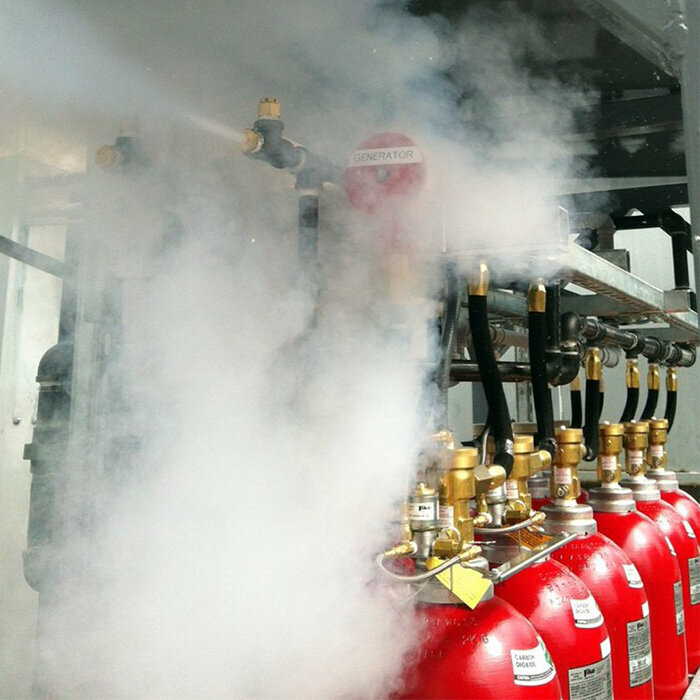
Common solutions include foam-based fire suppression systems, gas suppression systems for sensitive equipment areas, fire hydrant networks, and deluge systems for high-risk zones. Valves, pumps, and piping systems are designed to withstand extreme conditions while delivering consistent performance. These applications help quickly contain fires, minimize operational downtime, and protect critical infrastructure.
Smart Fire Protection and Sensor Technology
As Dubai embraces smart city initiatives, fire protection applications increasingly incorporate sensor technology and automation. Modern systems utilize pressure, temperature, smoke, and flow sensors to continuously monitor system health and environmental conditions. These sensors enable real-time alerts, early fault detection, and faster emergency response.
Smart fire protection systems can identify pressure drops in sprinkler lines, detect abnormal temperature increases, or signal equipment malfunctions before they escalate into failures. This data-driven approach supports predictive maintenance, reduces false alarms, and improves overall system reliability. For large or mission-critical facilities, sensor-enabled fire protection is becoming an industry standard rather than a luxury.
Fire Protection in Infrastructure and Public Spaces
Airports, metro stations, shopping malls, hospitals, and educational institutions require specialized fire protection applications due to high occupancy levels and complex layouts. These environments rely on integrated systems that combine detection, suppression, smoke control, and emergency communication.
For example, public spaces often use addressable fire alarm systems that pinpoint the exact location of a fire, allowing emergency teams to respond quickly and efficiently. Hospitals and data centers often deploy clean-agent fire suppression systems to protect sensitive equipment without causing secondary damage.
Maintenance, Testing, and Lifecycle Management

Fire protection does not end with installation. Regular inspection, testing, and maintenance are critical to ensure ongoing compliance with Dubai Civil Defence requirements. Applications such as inspection tagging, digital maintenance logs, and automated reporting systems help facility managers track system performance and readiness.
Preventive maintenance reduces the risk of system failure during emergencies and extends equipment lifespan. When combined with sensor data and performance analytics, maintenance becomes more proactive, cost-effective, and reliable.
Conclusion
Fire protection applications in Dubai are a vital part of the city’s safety ecosystem, supporting its growth as a global hub for business, tourism, and industry. By adhering to regulatory standards, deploying appropriate fire suppression and detection systems, and embracing smart sensor technology, organizations can significantly reduce fire risks. Effective fire protection not only saves lives and property but also ensures operational resilience, regulatory compliance, and long-term sustainability in one of the world’s most dynamic urban environments.






