
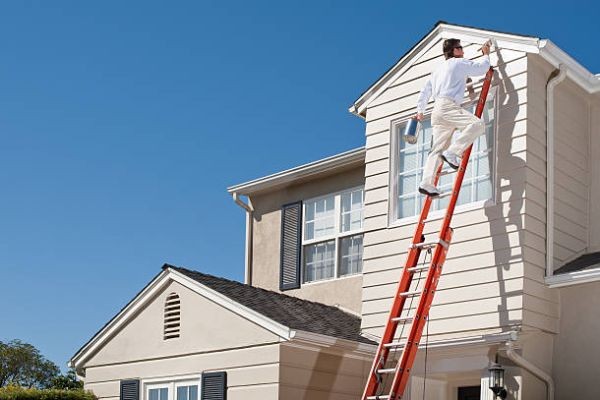
Understanding those differences makes it much easier to choose the finish that fits a home's style, condition, and long-term maintenance goals. Homeowners considering exterior painting in North Plains, OR often benefit from professional guidance before making that decision. I Know A Guy Handyman Services LLC helps homeowners evaluate their exterior surfaces and select the finish that delivers the best long-term results.
What Is Exterior Painting?
Exterior painting involves applying a protective coating to the outside surfaces of a home or building. Unlike interior paint, exterior products are designed to withstand rain, sunlight, temperature changes, and moisture throughout the year.
Paint sits on top of the surface, creating a solid layer that seals and protects the material underneath. Because it provides full coverage, it also allows homeowners to completely change the color of their home while hiding small imperfections that may have developed over time.
For example, a homeowner with faded siding may choose paint to modernize the home's appearance while adding a durable protective finish.
What Is Exterior Staining?
Exterior stains work differently from paint. Instead of covering the surface, stain penetrates the wood and enhances its natural texture and grain. This makes it a popular choice for homeowners who want to preserve the character of natural wood rather than hide it.
Because stain absorbs into the material, it creates a more natural appearance while still protecting against weather and moisture. Different stain products offer varying levels of transparency, allowing homeowners to choose how much of the wood grain remains visible.
For instance, a cedar fence with attractive wood grain often benefits more from stain than paint because the natural beauty of the wood remains visible after the project is complete.
Exterior Painting vs. Exterior Staining: What Are the Main Differences?
Although both finishes protect exterior surfaces, they produce very different results. Paint creates a solid, uniform appearance and offers almost unlimited color choices. It works well when homeowners want to refresh an older exterior, cover imperfections, or match a new design style.
Stain, on the other hand, highlights the natural texture of wood instead of covering it. It creates a warmer, more natural look that complements rustic, traditional, and craftsman-style homes. The right option depends less on which product is "better" and more on the material being finished and the overall appearance the homeowner wants to achieve.
Remodeling Services Can Refresh Your Entire Home
Durability is often one of the first questions homeowners ask, but the answer depends on several factors. A professionally applied paint system generally lasts longer before requiring a complete repaint. However, once paint begins to peel or crack, preparing the surface for repainting usually requires more work.
Stain often needs to be refreshed more frequently, particularly on surfaces exposed to direct sunlight. The advantage is that many stained surfaces can be recoated without extensive scraping because the stain gradually fades instead of peeling. Climate, sun exposure, moisture levels, and surface preparation all influence how long either finish will perform.
Remodeling Services help improve both the appearance and functionality of a home. Whether updating a single room or completing a full renovation, professional Remodeling Services ensure each project is carefully planned and completed with quality workmanship, creating a space that better fits the homeowner's needs and lifestyle.
Which Option Works Best for Different Materials?
The material being finished should play a major role in the decision. Paint works well on fiber cement siding, previously painted wood, trim, stucco, and other exterior materials that benefit from a protective coating.
Natural wood surfaces usually respond better to stain because it allows the material to breathe while preserving its texture and appearance. Cedar siding, wood fencing, decks, and decorative wood structures are common examples. Choosing a finish designed for the specific material often leads to better performance and a longer-lasting result.
Why Professional Exterior Painters Make a Difference
Choosing between paint and stain is only part of the project. The quality of the finished result depends heavily on how well the surface is prepared before any product is applied.
Experienced professional exterior painters inspect the condition of the material, recommend products suited to the home's exterior, repair minor surface issues, and prepare every area before application begins. Proper cleaning, sanding, caulking, and priming create a solid foundation that helps the finish bond correctly and perform as intended.
Professional application also produces more consistent coverage and helps maximize the lifespan of the finished project.
Conclusion
Paint and stain each offer unique advantages, but the best choice depends on the home's exterior materials, design goals, and maintenance preferences. Paint delivers complete color transformation and durable protection for many exterior surfaces, while stain highlights the natural character of wood and creates a timeless appearance. Understanding how each finish performs allows homeowners to invest in a solution that protects their property while enhancing its curb appeal for years to come.
FAQs
Can a stained surface be painted later?
Yes. Many stained wood surfaces can be painted after proper cleaning, preparation, and priming, although the exact process depends on the condition of the wood.
Is paint or stain better for cedar siding?
Both can work, but many homeowners choose stain because it preserves the cedar's natural grain while providing weather protection.
Which finish requires less maintenance?
Paint generally lasts longer between applications, while stain often requires more frequent recoating but usually involves less intensive preparation.
Can paint hide imperfections better than a stain?
Yes. Paint forms a solid coating that helps conceal minor surface flaws, whereas stain allows the natural texture of the material to remain visible.
How do professionals decide whether to paint or stain?
They evaluate the material, its condition, previous finishes, the homeowner's design goals, and the level of maintenance the homeowner expects in the future.
Does proper preparation really make a difference?
Absolutely. Cleaning, repairing, sanding, and preparing exterior surfaces properly helps paint and stain adhere correctly, improves durability, and creates a more professional-looking finish.






