
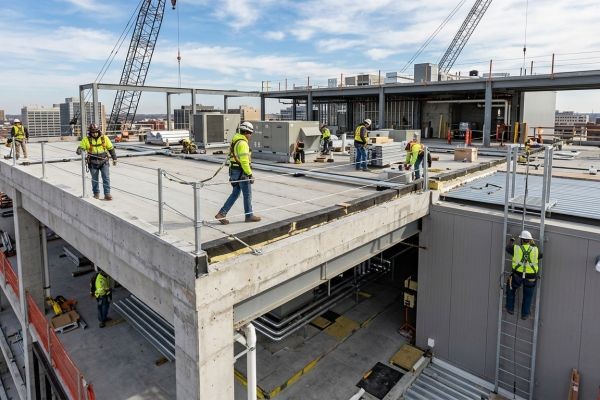
Working at elevated heights comes with serious risks, making workplace safety a top priority across construction, manufacturing, warehousing, and industrial sectors. One missed step or lack of proper safety equipment can result in severe injuries, legal complications, and costly downtime. This is where Fall protection systems become essential for protecting workers and ensuring compliance with safety regulations.
Businesses that invest in proper safety solutions not only protect employees but also improve productivity, reduce liability, and create a stronger workplace culture. Whether workers are operating on rooftops, ladders, scaffolding, or elevated platforms, having reliable fall protection measures in place is critical for daily operations.
Why Fall Protection Matters in Every Industry
Falls remain one of the leading causes of workplace injuries and fatalities worldwide. Employees working at heights face hazards that can occur unexpectedly, especially in fast-paced environments where multiple tasks are happening simultaneously. Even experienced workers are vulnerable without the proper safeguards.
Industries such as construction, telecommunications, energy, aviation, and warehousing often involve elevated workspaces that demand strict safety standards. Employers are responsible for minimizing risks and providing systems that help prevent accidents before they occur.
Modern fall protection solutions are designed to reduce the likelihood of injuries while allowing workers to move confidently and efficiently during operations. Proper systems not only protect lives but also help organizations avoid penalties and maintain compliance with OSHA safety standards.
Understanding How Fall Protection Systems Work
Fall protection systems are engineered solutions created to prevent workers from falling or to safely stop a fall if one occurs. These systems are carefully designed to reduce impact forces and keep workers secure while performing tasks at height.
There are generally two primary categories of fall protection:
Fall Prevention Systems
These systems stop workers from reaching dangerous edges or hazardous areas. Common examples include:
- Guardrails
- Safety barriers
- Warning lines
- Hole covers
- Controlled access zones
Prevention systems are often considered the first line of defense because they minimize exposure to fall hazards altogether.
Fall Arrest Systems
Fall arrest systems are used when workers must access areas where a fall risk cannot be eliminated. These systems safely stop a worker during a fall and reduce injury risks. Typical components include:
- Full-body harnesses
- Shock-absorbing lanyards
- Self-retracting lifelines
- Anchorage points
- Horizontal lifeline systems
Proper training and equipment inspection are essential for these systems to function effectively.
Common Types of Fall Protection Systems
Different workplaces require different safety approaches depending on the environment, structure, and job responsibilities. Understanding the available options helps businesses choose the right system for maximum safety.
Guardrail Systems
Guardrails provide a physical barrier around elevated surfaces such as rooftops, platforms, mezzanines, and walkways. They are highly effective because they continuously protect workers without requiring active engagement from the user.
Guardrails are commonly used in industrial facilities and commercial buildings where employees frequently work near open edges.
Horizontal Lifeline Systems
Horizontal lifelines allow workers to move freely along elevated surfaces while remaining securely connected to an anchor system. These systems are ideal for large rooftops, bridges, and aircraft maintenance facilities.
Workers can perform tasks efficiently without disconnecting and reconnecting repeatedly, improving both productivity and safety.
Roof Anchor Systems
Roof anchors create secure attachment points for personal fall arrest equipment. Permanent and temporary roof anchors are available depending on the project requirements.
These systems are commonly used by roofing contractors, maintenance crews, and solar panel installers who regularly work on elevated roof surfaces.
Ladder Safety Systems
Ladder-related accidents are common in industrial environments. Ladder safety systems provide continuous fall protection for workers climbing fixed ladders.
Modern ladder systems often replace traditional cages with vertical lifeline systems that offer improved mobility and enhanced safety.
Overhead Rigid Rail Systems
Rigid rail systems are designed for areas where workers perform repetitive elevated tasks, such as loading docks or manufacturing facilities. These systems allow smooth movement while maintaining constant fall protection.
Their durability and flexibility make them ideal for industrial applications where worker mobility is essential.
The Benefits of Investing in Quality Fall Protection
Businesses sometimes underestimate the value of comprehensive safety systems until an accident occurs. Investing in high-quality fall protection delivers both immediate and long-term benefits.
Improved Worker Safety
The primary advantage is obvious: protecting workers from serious injuries and fatalities. Employees who feel safe are more confident and focused while performing their tasks.
OSHA Compliance
Safety regulations require employers to provide adequate fall protection whenever workers are exposed to height hazards. Non-compliance can lead to heavy fines, legal issues, and project shutdowns.
Reliable safety systems help organizations stay compliant and maintain strong operational standards.
Increased Productivity
Workers who trust their safety equipment can move more efficiently and complete tasks with greater confidence. Proper systems reduce downtime caused by unsafe conditions or equipment concerns.
Lower Liability Costs
Accidents can lead to medical expenses, workers’ compensation claims, lawsuits, and reputational damage. Preventative safety investments significantly reduce these risks.
Long-Term Cost Savings
Although installing professional fall protection systems requires an upfront investment, it often saves companies substantial money over time by preventing incidents and reducing insurance costs.
Choosing the Right Fall Protection Solution
Every worksite has unique challenges, which means there is no one-size-fits-all solution. Selecting the right system requires careful evaluation of several factors.
Work Environment
Indoor facilities, rooftops, confined spaces, and outdoor construction sites all present different risks. The chosen system must align with the physical environment.
Frequency of Use
Permanent systems may be ideal for facilities with frequent elevated work, while temporary systems may suit short-term projects.
Worker Mobility
Some tasks require workers to move across large areas. Systems that support continuous movement can improve both safety and efficiency.
Structural Compatibility
The structure itself must support the selected anchorage and fall protection equipment. Professional assessment ensures proper installation and performance.
Training Requirements
Even the best equipment cannot protect workers if it is used incorrectly. Comprehensive training is essential for all employees working at height.
The Importance of Professional Installation
Fall protection systems should always be installed by qualified professionals who understand engineering requirements and OSHA regulations. Poorly installed systems may fail during critical moments, putting workers at severe risk.
Professional installation ensures:
- Proper anchorage placement
- Structural integrity verification
- Compliance with safety standards
- Accurate system testing
- Reliable long-term performance
Routine inspections and maintenance are equally important to keep systems functioning correctly over time.
How Technology Is Improving Fall Protection
Modern safety technology continues to evolve, making workplaces safer than ever before. Advanced systems now incorporate innovative features designed to improve worker protection and simplify compliance.
Some recent advancements include:
- Self-retracting lifelines with enhanced braking systems
- Lightweight ergonomic harnesses
- Smart sensors for equipment monitoring
- Mobile inspection tracking applications
- Advanced engineered anchor solutions
These innovations help companies improve safety management while reducing operational complexity.
Creating a Strong Safety Culture
Installing equipment alone is not enough to eliminate workplace hazards. Organizations must also build a culture where safety is prioritized at every level.
Effective safety cultures include:
- Regular employee training
- Routine equipment inspections
- Clear communication protocols
- Ongoing hazard assessments
- Management commitment to safety standards
When workers understand that their well-being is valued, overall workplace performance often improves significantly.
Final Thoughts
Working at heights will always involve some level of risk, but the right safety measures can dramatically reduce the chances of serious accidents. Fall protection systems play a vital role in protecting workers, maintaining compliance, and supporting efficient operations across multiple industries.
Companies that prioritize safety not only protect lives but also strengthen productivity, reputation, and long-term business success. From guardrails and lifelines to advanced engineered systems, investing in reliable fall protection solutions is one of the smartest decisions any organization can make.
Choosing high-quality systems, ensuring professional installation, and maintaining consistent employee training are all critical steps toward creating a safer and more productive workplace environment.






