
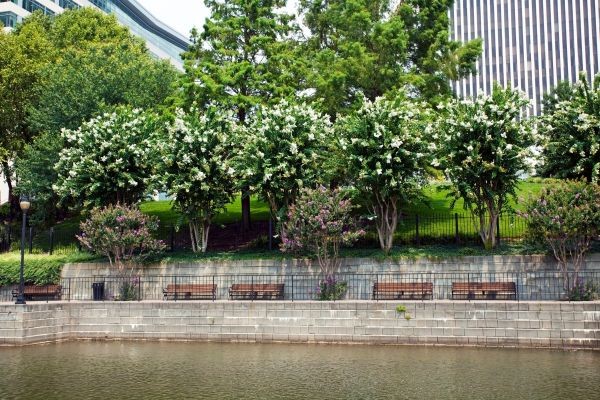
In modern landscaping and ecological restoration, choosing the right trees can dramatically influence shade creation, soil stability, and long-term sustainability. Among the most in-demand options are fastest growing trees, valued for their ability to establish quickly and adapt to diverse environmental conditions. Whether dealing with scorching summers or freezing winters, these trees offer a reliable solution for homeowners, farmers, and urban planners seeking rapid greenery without compromising resilience.
What makes certain trees exceptional is not just their growth speed but their adaptability across temperature extremes. Many species have evolved mechanisms to tolerate drought, frost, and fluctuating soil conditions, making them suitable for both hot and cold climates. This versatility is why fastest growing trees are widely used in reforestation projects and landscape design, where time and durability matter equally.
Adaptation and Growth Mechanisms
The success of the fastest-growing trees lies in their biological efficiency. These trees typically have high photosynthetic rates, allowing them to convert sunlight into energy more effectively than slower-growing species. Their root systems also expand quickly, enabling them to access deep water reserves during droughts and stabilize themselves in colder, wind-prone environments.
Another key factor is genetic adaptability. Many of these species have evolved in transitional climates where seasonal variation is extreme. As a result, the fastest-growing trees can regulate moisture retention, adjust leaf density, and enter dormancy when needed, ensuring survival across unpredictable weather patterns. This makes them ideal for regions experiencing climate variability.
Best Choices for Hot Climates
In hot and arid regions, tree selection must prioritize drought resistance and heat tolerance. Species such as eucalyptus, acacia, and mesquite are well known for thriving in intense sunlight and limited water availability. These trees not only grow rapidly but also improve soil fertility by fixing nitrogen and reducing erosion.
Urban planners often rely on the fastest-growing trees in hot climates to create shade corridors that reduce the heat island effect. Their dense canopies help lower ambient temperatures, making outdoor spaces more livable. Additionally, their ability to grow quickly ensures that environmental benefits are realized in a short timeframe.
Best Choices for Cold Climates
Cold climates require trees that can withstand frost, snow loads, and shorter growing seasons. Species like hybrid poplar, birch, and certain pine varieties perform exceptionally well under these conditions. Despite harsh winters, they resume rapid growth during warmer months, making them reliable long-term investments.
Interestingly, the fastest-growing trees in cold regions often develop higher wood density to resist breakage under snow pressure. Their seasonal dormancy allows them to conserve energy, ensuring survival even in sub-zero temperatures. This resilience makes them valuable for reforestation in northern regions and high-altitude landscapes.
Care and Maintenance Practices
To maximize the potential of the fastest-growing trees, proper care during the early stages is essential. Regular watering, especially in the first two years, supports root establishment. Mulching helps retain soil moisture and regulate temperature, while periodic pruning encourages healthy structural growth.
Soil quality also plays a critical role. Well-drained, nutrient-rich soil enhances the performance of Fastest growing trees, allowing them to reach maturity faster while maintaining structural integrity. Fertilization should be balanced to avoid excessive leafy growth that may weaken the trunk.
Environmental and Economic Benefits
Beyond landscaping aesthetics, the fastest-growing trees contribute significantly to environmental restoration. They absorb large amounts of carbon dioxide, improve air quality, and provide habitats for wildlife. Economically, they reduce energy costs by offering natural shade and wind protection for buildings and agricultural fields.
Their rapid growth cycle also supports timber production and agroforestry systems, making them a practical choice for both ecological and commercial purposes. In regions facing deforestation, these trees play a crucial role in accelerating ecosystem recovery.
Conclusion
The ability of the fastest-growing trees to adapt to extreme climates makes them one of the most valuable resources in modern environmental planning. One notable species often used in ornamental and functional planting schemes is wax leaf privet ligustrum, valued for its dense foliage and durability in varied conditions. From desert landscapes to snowy terrains, their resilience and speed offer unmatched ecological benefits.






