
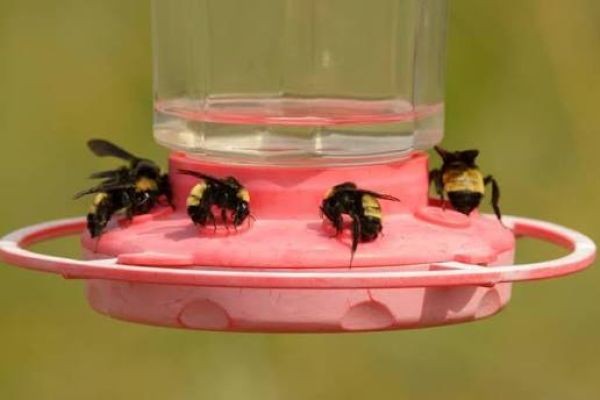
Feeding honeybee colonies is an essential responsibility for every beekeeper, especially during times when natural nectar sources are scarce. Done correctly, it strengthens colonies, prevents starvation, and supports healthy brood development. Done incorrectly, however, feeding can attract robbing bees, encourage mold, or lure unwanted pests.
While the focus is often on what and when to feed, it’s equally important for beekeepers to consider their own safety and comfort while working around hives. Wearing ventilated bee suits and other protective gear ensures that hive inspections and feeding are carried out smoothly, without unnecessary risks. With the right feeding practices and the right gear, both bees and beekeepers thrive.
1. Why Safe Feeding Practices Matter
Safe feeding practices go beyond pouring sugar syrup into feeders. When beekeepers ignore the details of feeding, they may unintentionally cause robbing among colonies, increase hive moisture that leads to mold, or attract pests such as ants, beetles, and wasps. These problems weaken colonies and can quickly spiral into larger hive health issues.
At the same time, hive disturbances during feeding make bees defensive. That’s why using protective beekeeping suits is critical. A sting-proof bee suit or lightweight bee suit gives you peace of mind when working with colonies that are more agitated due to the smell of food. By combining protective gear with thoughtful feeding methods, you help bees remain strong and productive throughout the season.
2. Preventing Robbing During Feeding
Robbing occurs when bees from stronger colonies invade weaker ones to steal food. It often starts during feeding times, especially if food is spilled near the hive entrance or if feeders are left exposed. Once robbing begins, it can be devastating, leading to fighting, colony stress, and even collapse.
Tips to prevent robbing:
- Feed colonies late in the evening when foragers are less active.
- Place feeders inside the hive rather than outside, reducing exposure.
- Seal cracks and reduce hive entrances to limit invaders.
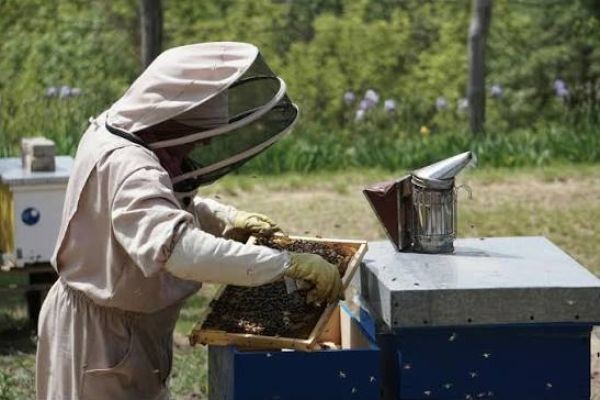
Even with these strategies, defensive behavior may still flare up during feeding. Wearing lightweight bee suits or ventilated bee suits ensures that you remain comfortable while fully protected. These suits allow airflow, keeping you cool during warm evenings, while still providing the sting protection you need. For extra safety, a sting-proof bee suit combined with gloves is the best defense when robbing risks are high.
3. Controlling Moisture and Mold in the Hive
Feeding sugar syrup improperly often creates excess moisture in the hive, particularly during cooler months. High humidity inside the hive can lead to mold growth on frames and combs, which weakens colonies and contaminates food stores.
How to reduce moisture issues:
- Use feeders that minimize spillage, such as top feeders with floats.
- Avoid overfeeding; only provide what the colony can consume quickly.
- Ventilate hives properly, especially in winter.
As you manage these tasks, beekeepers working in humid conditions benefit greatly from breathable bee suits. These suits wick away heat and moisture, preventing discomfort during inspections in damp weather. Choosing a durable beekeeping suit with breathable fabric means you can focus on your bees without worrying about overheating or restricted movement.
4. Keeping Pests Away While Feeding
When feeding colonies, spilled syrup or open feeders can attract pests like ants, hive beetles, and wasps. These intruders stress bees, damage comb, and compete for food resources. Effective pest control must be part of your feeding strategy.
Steps to minimize pests:
- Place hives on stands with ant barriers.
- Keep the apiary clean by removing syrup spills quickly.
- Inspect regularly for beetle activity or wasp intrusions.
Handling pests often requires extended time near the hive. Wearing durable beekeeping suits or other beekeeper protective gears ensures you can deal with these challenges confidently. A ventilated bee suit keeps you cool during pest management tasks, especially in summer, when ants and wasps are most active.
5. Choosing the Right Protective Gear for Feeding Days
When it comes to hive feeding, your choice of protective gear makes a huge difference. Heavy cotton suits may protect you from stings but can quickly become unbearable in hot weather. This is where ventilated bee suits stand out.
Benefits of ventilated bee suits:
- Allow airflow, keeping you cool in warm weather.
- Provide sting-proof protection similar to traditional heavy suits.
- Offer comfort during longer hive sessions.
If you live in a warm climate, a summer beekeeping suit or a lightweight bee suit is ideal for frequent feeding inspections. For colder months, combining comfortable bee suits for beekeepers with layered clothing ensures both warmth and protection. The best choice always balances safety, breathability, and durability.
6. Tips for Beginner Beekeepers
New beekeepers often make the mistake of overfeeding or placing food in ways that attract robbers and pests. Learning proper techniques early on helps ensure colony survival and beekeeper safety.
Beginner-friendly feeding tips:
- Use internal feeders to avoid attracting outside bees.
- Feed small amounts frequently instead of large quantities.
- Monitor colonies regularly to prevent mold or pest issues.
At the same time, beginners should never compromise on safety. The best bee suits for beginners are those that are both protective and comfortable. A high-quality bee suit ensures confidence while learning new skills. Starting out with ventilated bee suits or sting-proof bee suits prevents painful mistakes and makes hive work less intimidating.
Conclusion
Feeding honeybee colonies safely means more than simply providing sugar syrup. Beekeepers must also think about preventing robbing, avoiding mold from excess moisture, and keeping pests at bay. These small steps safeguard colony health and ensure long-term hive productivity.
Equally important is beekeeper safety. Whether you’re an experienced beekeeper or a beginner, investing in ventilated bee suits and beekeeping gloves, or lightweight beekeeping suits ensures that every hive visit is safe and comfortable. The right protective gear makes all the difference when handling feeding tasks, particularly in warm weather or when colonies become defensive.






