
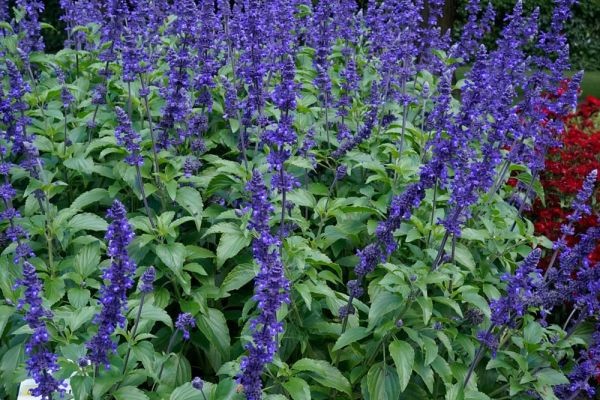
Gardening has long been a rewarding activity for homeowners and landscape designers who want to create visually appealing outdoor spaces. One of the most popular choices for adding color and structure to gardens is flowering shrubs, which provide seasonal blooms, texture, and long-lasting greenery throughout the year.
In many home gardens and commercial landscapes, shrubs are widely used to create natural boundaries, highlight focal points, and improve overall biodiversity. These plants are commonly available in a professional nursery, where gardeners can explore a wide variety of species suited for different climates and soil conditions.
What Are Shrubs and Why Are They Important?
Shrubs are woody plants that produce blooms at different times of the year, depending on the species. Unlike seasonal flowers, they offer long-term structure and recurring blossoms, making them a valuable addition to any landscape design.
The popularity of flowering shrubs lies in their versatility. They can be used as decorative hedges, standalone feature plants, or background greenery in mixed garden beds. Their ability to thrive in different environments makes them a preferred choice for both beginner and experienced gardeners.
Popular Types of Flowering Shrubs for Gardens
There are many varieties of shrubs, each offering unique visual appeal and growing characteristics. Some bloom in spring with vibrant colors, while others provide summer or even winter interest.
Roses, hydrangeas, azaleas, and hibiscus are among the most commonly chosen options. These plants not only enhance garden aesthetics but also attract pollinators such as bees and butterflies, contributing to a healthier ecosystem.
When selecting shrubs, it is important to consider factors such as climate compatibility, soil type, and sunlight exposure.
How to Plant and Care for Shrubs?
Proper planting techniques are essential for healthy growth and long-lasting blooms. Shrubs should be planted in well-drained soil with adequate spacing to allow air circulation and root expansion.
Watering requirements vary depending on the species, but most shrubs benefit from regular deep watering rather than frequent shallow watering. Mulching around the base helps retain moisture and regulate soil temperature.
Pruning is another important aspect of maintenance. Regular trimming encourages new growth and improves flowering performance. Many gardeners rely on expert advice from a nursery to ensure they are following the correct care practices for their specific shrubs.
Fertilization also plays a key role in plant health. Using balanced fertilizers during the growing season helps promote vibrant blooms and strong root systems.
Designing Gardens with Shrubs
Shrubs are often used as foundational elements in landscape design. They can create visual structure, define pathways, and add seasonal color changes throughout the year.
In formal gardens, symmetrical planting of shrubs creates a clean and organized appearance. In contrast, informal gardens use mixed arrangements for a more natural and relaxed feel.
The strategic placement of flowering shrubs can also improve privacy by acting as natural screens or hedges. Garden designers often recommend combining different heights and bloom colors to create depth and visual interest.
Common Challenges in Growing Shrubs
While shrubs are generally low-maintenance, they can still face challenges such as pest infestations, fungal infections, and improper watering.
Overwatering can lead to root rot, while underwatering may reduce blooming potential. Pests like aphids and mites can also affect plant health if not controlled early.
Regular inspection and timely care are essential to maintaining healthy growth. Many gardeners seek guidance from nursery professionals to address these issues effectively and ensure long-term plant success.
Seasonal Care for Shrubs
Different seasons require different care routines. In spring, pruning and fertilization help stimulate growth. Summer requires consistent watering and pest control, while autumn focuses on preparing plants for dormancy.
Winter care may include protecting sensitive shrubs from frost and extreme cold conditions. Understanding seasonal needs helps maintain the beauty and health of shrubs throughout the year.
Conclusion
Shrubs remain one of the most effective ways to enhance outdoor landscapes with color, structure, and biodiversity. For gardeners looking to expand their collection, sourcing quality plants from a plant nursery near me ensures access to healthy and well-suited varieties for long-term success. Their adaptability and long-term growth make them a valuable investment for any garden design.






