
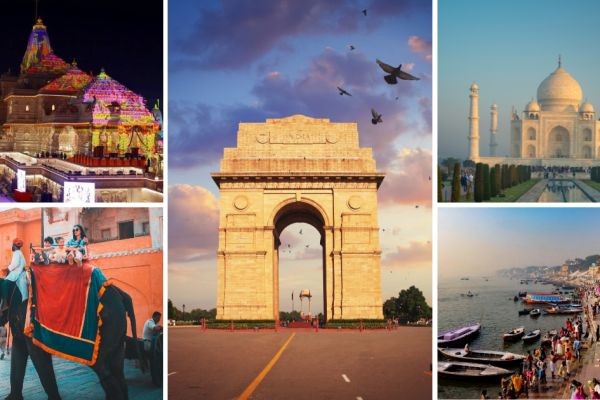
Planning India’s Golden Triangle sounds easy on paper. Delhi, Agra, Jaipur. Done. But a custom Golden Triangle trip gives you far more than the usual checklist, and that’s where the magic starts. You get the big landmarks, yes, but also the elephant encounters, lake views, local food stops, and slow moments that make the trip feel like yours.
Why should your Golden Triangle tour be custom?
A standard itinerary can feel rushed. You wake up, rush out, take photos, tick boxes, repeat. A custom route gives you room to breathe, which matters in a region where every city has its own rhythm and your transport choices can shape the whole day. That flexibility also makes it easier to add experiences you actually care about, instead of wasting time on things that sound good in a brochure but feel flat in real life.
If you’ve ever stood on a station platform wondering whether your train is even the right one, you already know why planning matters. A custom trip saves you from that kind of stress and lets you focus on the fun parts.
What should you see in Delhi first?
Delhi is where the trip gets its first jolt of energy. You can start with Old Delhi for narrow lanes, historic forts, mosque visits, and street food that smells amazing before you even see it. Then shift to New Delhi for wide avenues grand government buildings, and cleaner calmer sightseeing.
A good custom itinerary often includes:
- Red Fort for history.
- Jama Masjid for scale and atmosphere.
- Chandni Chowk for food and chaos in the best way.
- Humayun’s Tomb for a quieter, more graceful stop.
- Qutub Minar if you want another major monument without overloading your day.
The smart move? Leave room for one local food stop that is not designed for tourists. That one meal can change your entire opinion of Delhi.
What makes Agra worth more than the Taj Mahal?
Yes, the Taj Mahal is the headline act. And yes, you should absolutely see it. But Agra is better when you don’t treat it like a one-monument city. The real win is combining the Taj with places that give you context, contrast, and better photos without elbowing through the biggest crowd of the day.
A stronger custom plan can include:
- Taj Mahal at sunrise for softer light and fewer people.
- Agra Fort for a deeper look at Mughal power.
- Mehtab Bagh for river views and a different angle on the Taj.
- A marble workshop if you want to understand the craftsmanship behind the city’s souvenir scene.
This is also where pacing matters. If you try to do too much, Agra turns into a blur. Keep it tight. Keep it smart.
Where do elephant experiences fit in?
Here is where Jaipur begins to take center stage. When taking a Golden Triangle tour that involves an elephant encounter, it must be done responsibly and in an ethical way. There are some tours that offer elephants and the most successful tours are peaceful, respectful, and observant.
In Jaipur, many travelers pair Amber Fort with nearby elephant-related experiences, but the key is to choose operators carefully. Ask how the animals are cared for, how long they work, and whether the experience supports welfare standards. A memorable trip should not come at the animal’s expense.
That small bit of research pays off. It changes the whole mood of the day.
What should you see in Jaipur besides forts?
Jaipur is where your trip gets color. Real color. Not just the pink walls, but markets, palaces, and rooftops with wide city views. It’s also the place to slow down a little and let the city show off.
Top stops to include:
- Amber Fort for hilltop drama and big views.
- City Palace for royal detail and courtyards.
- Hawa Mahal for the classic facade shot.
- Jantar Mantar for something more unusual and quietly fascinating.
- Johari Bazaar or Bapu Bazaar for shopping without making it your whole day.
If you want a better Jaipur day, do one fort, one palace, one market. Not five “must-sees” squeezed into the same afternoon.
Why add a boat ride to the route?
A boat ride changes the mood of the trip. After forts, traffic, and marble palaces, water gives you a break. It slows everything down. That can be a lake boat ride in Jaipur or a calm stop built into a nearby extension, depending on how your route is planned.
The point is not to add random activities just to fill time. It’s to balance the trip. If your days are all monuments, you will remember the photos but not the feeling. A boat ride gives you that pause where you can actually look around and enjoy the view instead of checking your phone every five minutes.
How do you build a better itinerary?
The best custom Golden Triangle trips usually follow a simple rule: mix icons with breathing space. One big monument, one local experience, one slower stop. That way the trip feels rich without turning into a marathon.
A practical structure looks like this:
- Day 1–2: Delhi for history and food.
- Day 3: Agra for the Taj and Agra Fort.
- Day 4–5: Jaipur for forts, palaces, markets, and an optional ethical elephant experience.
- Add a boat ride or nearby leisure stop if you want one softer, scenic day.
This kind of route works especially well for couples, families, and first-time visitors who want comfort without losing the real India experience.
Why does food matter so much on this route?
Because a great trip is rarely about monuments alone. It’s about the snack you grab between stops, the chai you drink on a hot afternoon, and the place the driver recommends because it smells better than the obvious tourist option. That’s the stuff people remember.
In Delhi, chase chaat and kebabs. In Agra, try Mughlai dishes. In Jaipur, go for dal baati churma and sweets. Food gives your route personality, and a custom plan lets you choose where to stop instead of settling for the nearest generic buffet.
Why finish with the right travel partner?
A well-planned Golden Triangle trip should feel smooth, not scripted. That’s why the best experience comes from golden triangle India tour packages that are built around your pace, your interests, and the kind of memories you want to bring home. If you want more than standard sightseeing, choose custom tour packages that let you shape the route instead of forcing you into someone else’s version of India.
If you’re writing this for your travel site, that last section is the perfect place to position your offering clearly, naturally, and without sounding salesy.






