
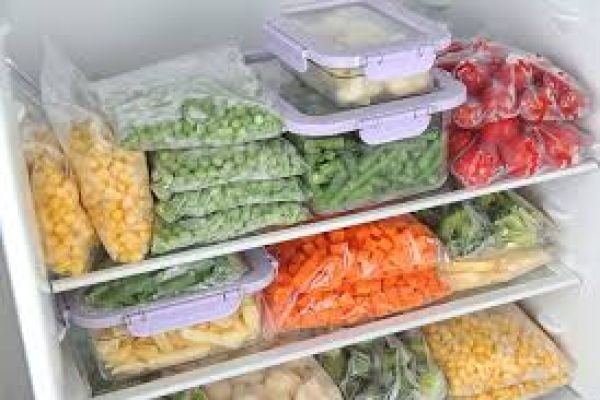
The frozen vegetables market is experiencing sustained growth, supported by shifting consumer lifestyles, technological advancements, and expanding retail infrastructure. Increasing awareness of nutrition, rising urbanization, and demand for convenient food solutions are collectively driving market expansion. A closer look at frozen vegetables market drivers reveals how economic, social, and technological factors are shaping long-term growth patterns.
Rising Demand for Convenient Food Solutions
One of the most significant drivers is the growing preference for convenience. Busy lifestyles, dual-income households, and time-constrained consumers are seeking quick meal solutions that do not compromise on nutrition. Frozen vegetables offer easy storage, minimal preparation time, and year-round availability.
Ready-to-cook and microwave-friendly packaging formats further enhance convenience. These features make frozen vegetables a preferred option for modern consumers looking for practical meal components.
Increasing Health and Nutrition Awareness
Health consciousness is another major growth catalyst. Consumers are increasingly prioritizing balanced diets rich in vitamins, minerals, and fiber. Frozen vegetables are often perceived as nutritionally reliable because they are processed and frozen shortly after harvesting, helping retain essential nutrients.
The demand for clean-label products—free from artificial preservatives and additives—continues to rise. Organic and non-GMO frozen vegetables are gaining traction, reinforcing the market’s health-driven momentum.
Expansion of Organized Retail and E-Commerce
The expansion of supermarkets, hypermarkets, and online grocery platforms has significantly improved product accessibility. Organized retail provides extensive freezer space and promotes private-label frozen vegetables at competitive prices.
Simultaneously, the rapid growth of e-commerce enables consumers to conveniently purchase frozen products with home delivery options. Digital platforms also allow brands to engage directly with customers through targeted promotions and personalized marketing strategies.
Advancements in Freezing and Cold Chain Technologies
Technological improvements in freezing processes have strengthened product quality and shelf life. Individual quick freezing techniques preserve texture, flavor, and nutritional value more effectively than traditional methods.
Enhanced cold chain infrastructure ensures consistent temperature control throughout transportation and storage. These technological upgrades reduce spoilage and maintain product integrity, making frozen vegetables more appealing to both retailers and consumers.
Urbanization and Changing Consumption Patterns
Rapid urbanization across emerging economies is reshaping food consumption habits. As city populations grow, demand for convenient and packaged food products rises. Frozen vegetables align well with urban lifestyles, offering easy storage in limited kitchen spaces.
Additionally, exposure to global cuisines and evolving dietary preferences encourages experimentation with vegetable-based dishes. This trend supports demand for diverse frozen vegetable assortments and blended options.
Growth of Plant-Based Diet Trends
The increasing adoption of plant-based and flexitarian diets is further boosting demand. Consumers seeking to reduce meat consumption often rely on vegetables as primary meal components. Frozen vegetables provide an affordable and accessible way to incorporate plant-based nutrition into daily diets.
Manufacturers are capitalizing on this shift by introducing innovative vegetable blends, meal kits, and protein-enriched options tailored to plant-forward consumers.
Year-Round Availability and Reduced Food Waste
Seasonality often affects fresh vegetable supply, leading to price fluctuations and limited availability. Frozen vegetables overcome this challenge by offering consistent year-round access to a wide variety of produce.
Freezing also extends shelf life, helping reduce household food waste. Consumers value the ability to use portioned amounts without worrying about spoilage. This practical advantage strengthens repeat purchasing behavior and long-term demand.
Private-Label Growth and Competitive Pricing
Retailers increasingly promote private-label frozen vegetables, which are typically priced lower than branded alternatives. Competitive pricing expands consumer access and increases overall category penetration.
High-volume private-label production supports manufacturing efficiency and drives category growth. This trend continues to act as a powerful market driver.
Sustainability and Environmental Awareness
Sustainability considerations are influencing purchasing decisions. Frozen vegetables often generate less waste compared to fresh produce due to longer shelf life. Companies adopting eco-friendly packaging and energy-efficient processing methods further enhance their appeal.
Consumers are showing growing preference for brands that demonstrate environmental responsibility. This shift encourages investment in sustainable sourcing and production practices.
Foodservice Industry Demand
The foodservice sector, including restaurants, catering services, and institutional kitchens, represents another important growth driver. Frozen vegetables provide consistent quality, standardized portion control, and cost efficiency for large-scale food preparation.
As the hospitality and quick-service restaurant industries expand globally, demand for bulk frozen vegetable supplies continues to increase.
Conclusion
The frozen vegetables market drivers reflect a combination of convenience, health awareness, technological advancement, and expanding retail infrastructure. Urbanization, plant-based diet trends, and sustainability considerations further reinforce growth momentum.
With continuous innovation in packaging, processing, and distribution, the market is well-positioned for steady expansion across both developed and emerging regions. Companies that align their strategies with these drivers will benefit from strong consumer demand and long-term resilience.






