
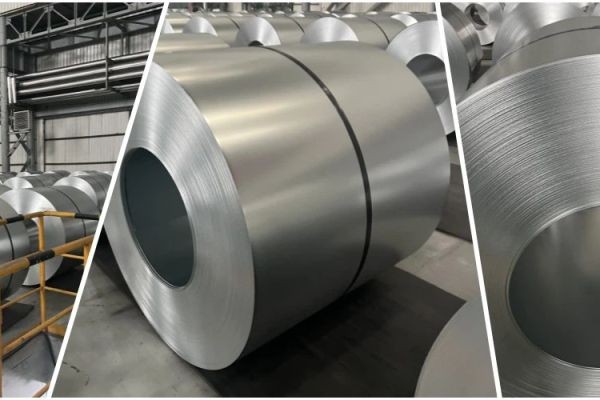
The Galvanised Steel Market Challenges are becoming increasingly important as industries seek durable, corrosion-resistant steel for construction, automotive manufacturing, infrastructure, energy, agriculture, and industrial applications. Galvanised steel offers strong protection against corrosion by applying a zinc coating to the steel surface, extending service life and reducing maintenance requirements. However, manufacturers, suppliers, fabricators, and end users continue to face several obstacles that can influence production costs, technological investments, environmental performance, and market competitiveness.
Rising Raw Material and Production Costs
One of the most significant challenges affecting the galvanised steel industry is volatility in raw material prices. Steel producers depend on iron ore, scrap steel, zinc, energy, and other inputs. Fluctuations in these commodity prices can increase manufacturing expenses and make it difficult for producers to maintain stable pricing.
Zinc is particularly important because the galvanising process relies on a consistent supply of high-quality zinc. Changes in zinc availability and pricing can directly affect coating costs. When steel and zinc prices rise simultaneously, galvanised steel manufacturers may face pressure to increase selling prices, potentially reducing demand among price-sensitive customers.
Energy consumption also contributes substantially to production expenses. Hot-dip galvanising requires heating zinc to high temperatures and maintaining controlled process conditions. Higher electricity and fuel costs can therefore reduce operating margins, particularly for smaller producers with limited economies of scale.
Environmental and Sustainability Pressures
Environmental considerations are reshaping expectations across the steel industry. Although galvanised steel can provide long service life and reduce replacement frequency, its manufacturing process still involves energy consumption, emissions, and industrial waste management.
Galvanising facilities must manage process residues, zinc-containing waste, wastewater, and atmospheric emissions responsibly. Meeting increasingly stringent environmental requirements can require investments in filtration systems, water-treatment technologies, waste recovery, and energy-efficient equipment.
Decarbonisation presents another major challenge. Steel production remains energy intensive, while galvanising adds another energy-consuming stage. Producers are consequently under pressure to reduce the carbon footprint of their operations without compromising coating quality, production speed, or profitability.
Supply Chain Disruptions
The galvanised steel industry is closely connected to global steel, zinc, transportation, and manufacturing supply chains. Disruptions in any of these areas can affect production schedules and delivery commitments.
Transportation bottlenecks, geopolitical tensions, trade restrictions, port congestion, and unexpected shortages can make raw materials more expensive or difficult to obtain. Manufacturers serving infrastructure and construction projects may face additional pressure because customers often require predictable delivery schedules.
Longer supply chains also expose producers to greater logistical uncertainty. Companies increasingly need multiple sourcing options, strategic inventories, and stronger supplier relationships to reduce vulnerability to unexpected disruptions.
Competition from Alternative Materials
Galvanised steel competes with stainless steel, aluminum, coated steel, engineered plastics, composites, and other corrosion-resistant materials. In applications where lightweight construction is a priority, aluminum and advanced composites can offer attractive alternatives.
Stainless steel can also be preferred in environments requiring high corrosion resistance, aesthetic appeal, or specialized hygiene characteristics. Although it may have a higher initial cost, customers may select alternative materials when performance requirements outweigh the price advantages of galvanised steel.
This competitive environment forces galvanised steel producers to demonstrate value beyond initial purchase price. Durability, recyclability, ease of fabrication, lifecycle economics, and maintenance savings increasingly influence purchasing decisions.
Challenges in Maintaining Coating Quality
Consistent zinc coating quality is essential to the performance of galvanised steel. Variations in surface preparation, steel chemistry, bath conditions, coating thickness, cooling, or finishing can affect the final product.
Poor coating uniformity can lead to premature corrosion, surface defects, adhesion problems, or appearance inconsistencies. Such issues are particularly important in automotive components, architectural products, exposed infrastructure, and applications where visual quality matters.
Manufacturers must maintain strict process controls and invest in testing equipment and skilled personnel. As customer specifications become more demanding, maintaining consistent quality across high-volume production can become increasingly complex.
Technological Investment Requirements
Technological advancement offers opportunities for improving productivity, but adopting new technologies can also create financial challenges. Modern galvanising facilities may require automated handling systems, advanced monitoring equipment, digital process controls, energy-efficient furnaces, and sophisticated inspection technologies.
Large manufacturers may have sufficient resources to make these investments, while smaller galvanisers can face greater difficulty. High capital requirements may delay modernization and create productivity gaps between technologically advanced facilities and older plants.
Digitalisation also requires specialized expertise. Employees need training to operate automated systems, interpret process data, troubleshoot equipment, and maintain increasingly sophisticated production environments.
Skilled Workforce Constraints
Galvanising is a specialized industrial process that requires knowledge of metallurgy, surface preparation, furnace operation, zinc chemistry, quality control, equipment maintenance, and workplace safety. A shortage of experienced technical personnel can therefore become a serious operational challenge.
As experienced workers retire, companies may struggle to transfer specialized knowledge to newer employees. Recruiting and retaining qualified personnel can be particularly difficult in regions where heavy industrial facilities compete with other manufacturing sectors for technical talent.
Companies need to strengthen training programs, workplace safety practices, technical education, and career-development opportunities to maintain a capable workforce.
Trade Policies and Regulatory Uncertainty
International trade policies can significantly influence the galvanised steel supply chain. Tariffs, import quotas, anti-dumping measures, customs requirements, and changes in trade agreements can alter competitive conditions between domestic and imported products.
Manufacturers that rely on imported steel or zinc may experience higher costs when trade restrictions change. Conversely, domestic producers may benefit from protective measures but could face higher input costs if imports of critical materials are restricted.
Regulatory uncertainty can make long-term investment planning more difficult. Producers must continuously monitor changes in environmental, trade, safety, and product standards across the markets they serve.
Demand Volatility Across End-Use Industries
Galvanised steel demand is closely linked to construction, automotive production, infrastructure investment, agriculture, energy projects, and industrial manufacturing. Weakness in any major end-use sector can affect overall order volumes.
Construction cycles can be especially influential. Rising interest rates, reduced building activity, delayed infrastructure projects, or weaker commercial investment can reduce demand for structural and fabricated galvanised steel products.
Automotive manufacturers also increasingly optimize material usage and explore alternative materials. Changes in vehicle design, electrification, lightweighting, and manufacturing processes can therefore alter the types and volumes of coated steel required.
Balancing Cost With Product Performance
Customers increasingly expect galvanised steel to deliver high corrosion resistance, consistent appearance, dimensional accuracy, and long service life at competitive prices. Meeting all these requirements simultaneously can be challenging.
Increasing zinc coating thickness may improve protection in certain environments but can also increase material consumption and costs. Manufacturers must therefore optimize coating levels according to application requirements rather than simply maximizing zinc usage.
This balance requires process expertise, accurate specifications, and effective communication between producers and customers.
Managing the Path Toward a More Sustainable Industry
Sustainability is likely to remain one of the most important long-term considerations for galvanised steel producers. Companies must find practical ways to reduce energy consumption, improve resource efficiency, recover valuable process materials, minimize waste, and integrate lower-carbon production methods.
Renewable electricity, energy-efficient heating systems, improved process controls, waste recovery, and circular material practices can help address these pressures. However, implementing such measures often requires significant capital and careful operational planning.
The challenge is not simply reducing environmental impact but doing so while maintaining commercially viable production and meeting demanding customer requirements.
Future Strategies for Overcoming Market Challenges
Addressing the Galvanised Steel Market Challenges will require a combination of operational efficiency, technological innovation, supply chain resilience, and customer-focused product development. Producers can strengthen their position by diversifying raw material sources, improving inventory planning, adopting automation, and investing in energy-efficient technologies.
Product innovation can also create opportunities. Advanced coatings, optimized zinc usage, improved surface treatments, and application-specific galvanising solutions can help manufacturers differentiate their products.
Collaboration across the value chain will become increasingly important. Steel producers, galvanisers, fabricators, construction companies, automotive manufacturers, and technology providers can work together to improve material efficiency and develop solutions that meet changing performance and sustainability expectations.
Conclusion
The Galvanised Steel Market faces a complex combination of cost, environmental, technological, supply chain, regulatory, and competitive pressures. Raw material volatility, energy expenses, sustainability requirements, skilled labor shortages, coating-quality expectations, and alternative materials can all influence industry performance.
Despite these obstacles, galvanised steel retains important advantages because of its durability, corrosion resistance, recyclability, and broad applicability. Companies that improve production efficiency, strengthen supply chains, invest in cleaner technologies, and maintain consistent product quality will be better positioned to navigate changing market conditions. The ability to balance affordability, performance, and sustainability will ultimately determine how effectively the industry responds to its evolving challenges.






