
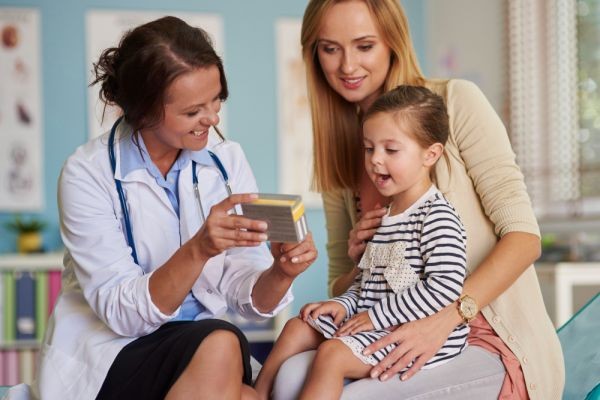
Caring for a child with serious medical needs often requires around-the-clock attention, specialized treatments, and constant coordination with healthcare providers. For many parents, balancing these responsibilities while maintaining work, family routines, and emotional stability can become overwhelming over time.
In Georgia, GAPP Medicaid services help families access professional pediatric home healthcare and nursing support for children with complex medical conditions or developmental disabilities.
The Georgia Pediatric Program (GAPP) provides medically necessary in-home services that allow eligible children to receive skilled healthcare support while remaining safely at home with their families. Instead of relying solely on hospitals or long-term care facilities, children can benefit from personalized nursing care in familiar surroundings that support both medical and emotional well-being.
As more families seek home-centered healthcare solutions, GAPP Medicaid services continue to play a major role in improving quality pediatric care throughout Georgia.
What Are GAPP Medicaid Services?
The Georgia Pediatric Program, commonly known as GAPP, is a Medicaid-funded healthcare program designed for children under 21 who require ongoing medical support at home.
The program focuses on helping medically fragile children receive professional healthcare services in a safe home environment whenever possible.
GAPP Medicaid services may include:
- Pediatric skilled nursing
- Personal care assistance
- Respiratory support
- Medication management
- Feeding support
- Daily living assistance
- Health monitoring
Services are customized based on physician recommendations and the child’s specific healthcare needs.
Who May Qualify for GAPP Services?
Eligibility for GAPP Medicaid services depends on both medical necessity and Medicaid qualification requirements.
Children who may qualify often have conditions involving:
- Neurological disorders
- Developmental disabilities
- Respiratory illnesses
- Seizure disorders
- Cerebral palsy
- Autism spectrum disorder
- Genetic conditions
- Feeding disorders
- Physical disabilities
- Medically fragile conditions
Healthcare assessments help determine the level of care required and the number of approved service hours.
Why Families Choose GAPP Home Healthcare Services
Families caring for medically complex children often rely on GAPP services because they provide critical healthcare support while allowing children to remain at home.
Comfort and Familiarity
Children frequently feel more emotionally secure in familiar surroundings with family nearby.
Reduced Hospital Dependency
Ongoing home nursing support may help reduce emergency room visits and lengthy hospital stays.
Personalized Care
Home healthcare provides one-on-one attention tailored to each child’s specific needs.
Support for Parents
Professional nursing services help ease the emotional and physical burden placed on family caregivers.
This combination of medical care and family-centered support helps improve daily life for both children and parents.
Skilled Nursing Services Through GAPP Medicaid
One of the most valuable benefits of the GAPP Program is access to pediatric skilled nursing care delivered at home.
Licensed pediatric nurses provide advanced medical support based on physician-approved care plans.
Skilled nursing services may include:
Respiratory and Ventilator Care
Children with respiratory conditions often require specialized airway support and close monitoring.
GAPP nurses may assist with:
- Ventilator management
- Tracheostomy care
- Oxygen therapy
- Airway suctioning
- Respiratory assessments
- Pulse oximeter monitoring
These services help maintain safer respiratory function while reducing the need for institutional care.
Medication Administration and Monitoring
Children with chronic medical conditions often depend on carefully managed medication schedules.
Pediatric nurses help families by:
- Administering medications
- Monitoring side effects
- Tracking symptoms
- Managing dosage schedules
- Coordinating with physicians
Consistent medication management improves healthcare safety and treatment effectiveness.
Feeding Tube and Nutritional Support
Some medically fragile children require specialized feeding support and nutritional monitoring.
GAPP nurses may provide:
- G-tube feedings
- Feeding pump management
- Hydration assistance
- Nutritional monitoring
- Aspiration prevention
Proper nutrition is essential for healthy development and recovery.
Seizure and Neurological Care
Children with seizure disorders or neurological conditions may require immediate response during medical emergencies.
Skilled pediatric nurses are trained to:
- Recognize seizure activity
- Follow emergency care procedures
- Monitor neurological symptoms
- Maintain child safety
- Support developmental routines
This specialized care provides important reassurance for families managing unpredictable health conditions.
Personal Care Assistance Through GAPP
In addition to skilled nursing, GAPP Medicaid services may also include personal care support for children who need assistance with everyday activities.
Personal care services may involve:
- Bathing and hygiene support
- Dressing assistance
- Mobility help
- Meal assistance
- Positioning and transfers
- Safety supervision
These services improve comfort while helping reduce physical strain on family caregivers.
Emotional Benefits of Pediatric Home Care
Receiving healthcare at home can positively impact both emotional well-being and physical health.
Children receiving in-home care often experience:
- Reduced anxiety
- Better sleep routines
- Stronger family bonding
- Increased comfort during treatments
- Improved participation in daily activities
A familiar environment often helps children feel safer and more emotionally stable during long-term healthcare treatment.
Helping Families Prevent Caregiver Burnout
Caring for a medically fragile child can affect every aspect of family life.
Parents frequently experience:
- Emotional exhaustion
- Sleep deprivation
- Physical fatigue
- Career interruptions
- Financial pressure
GAPP Medicaid services help families regain balance by providing dependable healthcare support and caregiving assistance.
Professional nursing care allows parents to:
- Rest and recover
- Focus on family relationships
- Attend work or appointments
- Reduce emotional stress
- Feel more confident managing care routines
Healthy caregivers are often better equipped to provide long-term support for their children.
Choosing the Right GAPP Home Healthcare Provider
Not all pediatric home healthcare agencies provide the same level of expertise or support.
Families searching for GAPP providers should look for agencies that offer:
Pediatric Specialty Experience
Children with complex healthcare needs require providers trained specifically in pediatric care.
Licensed and Skilled Nurses
Experienced pediatric nurses should understand advanced medical equipment and emergency care procedures.
Personalized Care Plans
Every child deserves healthcare support tailored to their medical and developmental needs.
Strong Communication
Reliable communication between nurses, physicians, therapists, and families improves overall care quality.
Compassionate Care Philosophy
Families often value patience, emotional understanding, and kindness alongside clinical expertise.
Technology Is Improving GAPP Pediatric Healthcare
Modern healthcare technology continues improving the quality of pediatric home nursing services across Georgia.
Many GAPP providers now utilize:
- Telehealth consultations
- Remote patient monitoring
- Portable respiratory equipment
- how to improve children emotional health
- Digital healthcare documentation
These tools help improve care coordination while supporting safer home-based treatment.
The Future of Pediatric Home Healthcare in Georgia
Healthcare systems continue moving toward more personalized and family-centered care models.
Programs like GAPP are helping more medically fragile children receive professional support in environments that prioritize:
- Emotional comfort
- Family involvement
- Personalized treatment
- Long-term stability
- Reduced hospital dependency
As pediatric home healthcare continues expanding, GAPP Medicaid services remain an essential resource for Georgia families.
Final Thoughts
GAPP Medicaid services provide critical pediatric home care and nursing support for children with complex medical and developmental needs throughout Georgia.
Through skilled nursing, personal care assistance, and individualized healthcare plans, the program helps medically fragile children receive high-quality care while remaining in the comfort and security of home.






