
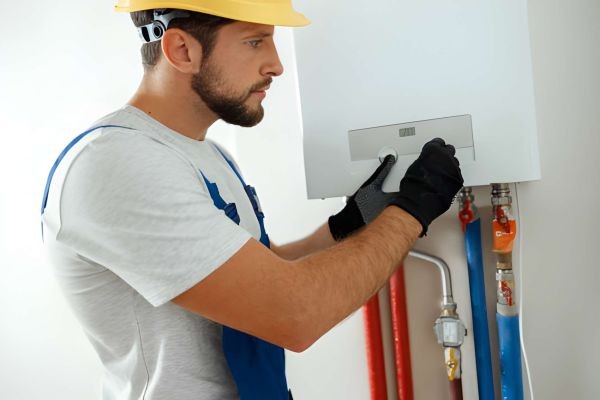
Living in or owning property in Highbury comes with many advantages: a strong community feel, period homes, and excellent transport links. But behind the charm of converted townhouses and modern apartments lies a serious responsibility: gas safety.
What Does a Gas Safety Certificate Actually Mean?
In simple terms, a gas safety certificate is written proof that gas appliances and related installations in a property have been checked and found safe by a Gas Safe registered engineer. The check focuses on preventing danger, not improving performance.
Imagine gas appliances like silent machines working every day in the background. When they are safe, you barely notice them. When they’re not, the consequences can be serious—gas leaks, fires, or carbon monoxide poisoning. The certificate confirms that these risks have been assessed and controlled.
In an area like Highbury, where older properties often sit next to newly refurbished flats, this safety confirmation is especially important.
Why Gas Safety Matters More Than You Think
Gas-related incidents are often invisible until it’s too late. Carbon monoxide, for example, has no smell and no color. Many incidents occur in homes where appliances appeared to work perfectly.
A valid Gas Safety Certificate in Highbury [https://gassafetycertificateuk.co.uk/gas-safety-certificate-highbury/]ensures that hidden issues—like poor ventilation or worn seals—are discovered early. This isn’t just about ticking a legal box; it’s about protecting lives.
Who is Responsible for Getting the Certificate?
Landlords
Landlords are legally required to arrange a gas safety check every 12 months. This applies to any rental property with gas appliances, regardless of the system's age.
Homeowners
Homeowners are not legally forced to obtain a certificate, but many do so voluntarily. It’s particularly common before selling a home, carrying out renovations, or converting a property into a rental.
Property Managers
Managing agents overseeing multiple properties often coordinate inspections to ensure consistency and compliance across their portfolio.
What Happens During a Gas Safety Inspection?
A professional inspection follows a clear process:
- Appliance Examination: Boilers, cookers, and gas fires are checked for safe operation.
- Flue and Ventilation Check: Engineers ensure harmful gases can escape safely.
- Gas Pressure Testing: Correct pressure ensures appliances burn gas efficiently and safely.
- Leak Detection: Pipework and joints are tested for leaks.
- Written Record: Findings are documented, including any safety concerns.
This process typically takes under an hour for an average Highbury property.
A Practical Example from Highbury Homes
Consider a homeowner in a converted Victorian house near Highbury Fields. The boiler was installed over ten years ago and had never shown signs of trouble. During a routine inspection, the engineer noticed corrosion on the flue pipe hidden in a cupboard. While the boiler still worked, the flue was slowly deteriorating.
Thanks to the inspection, the issue was repaired before it could cause carbon monoxide to leak into the home. This is a common scenario—and exactly why inspections matter.
Benefits of Having a Gas Safety Certificate
1. Legal Compliance
For landlords, compliance avoids fines, legal disputes, and insurance problems.
2. Improved Tenant Trust
Tenants feel more secure knowing safety checks are done properly.
3. Early Detection of Problems
Fixing minor faults early is cheaper than emergency repairs.
4. Insurance Protection
Many insurers expect evidence of gas safety checks.
5. Peace of Mind
Knowing your home or rental property is safe brings genuine reassurance.
Downsides and Limitations to Understand
It’s Not a Repair Guarantee
The inspection identifies problems but doesn’t automatically fix them.
It Requires Annual Renewal
Certificates expire after 12 months and must be renewed on time.
It’s Different from a Boiler Service
A safety check confirms safety, not efficiency or long-term performance.
Understanding these limits helps avoid disappointment or false expectations.
Common Gas Safety Mistakes Made by Property Owners
Mistake 1: Delaying Inspections
Putting off checks increases risk and legal exposure.
Mistake 2: Assuming “No Smell” Means “No Problem”
Many dangerous gas issues have no smell at all.
Mistake 3: Hiring the Cheapest Option
Unqualified engineers cannot legally issue certificates.
Mistake 4: Poor Record Keeping
Certificates should be stored and shared with tenants when required.
Mistake 5: Ignoring Advisory Notes
Minor warnings often develop into serious faults if neglected.
Avoiding these mistakes keeps properties safe and compliant.
How to Prepare for the Inspection Day
Preparation makes inspections faster and smoother:
- Clear access to boilers and meters
- Ensure appliances are reachable
- Inform tenants of the appointment
- Keep previous certificates available
These steps reduce delays and help engineers work efficiently.
Choosing the Right Gas Safety Provider in Highbury
Experience with local property types matters. Period homes, conversions, and shared buildings require careful inspection. Established providers like http://gassafetycertificateuk.co.uk understand these nuances and work within UK safety regulations.
Always confirm that the engineer is Gas Safe registered and experienced with similar properties.
How Often Is Certification Required?
A Gas Safety Certificate in Highbury is valid for 12 months. Landlords can renew up to two months early without shortening the certificate’s validity period, which helps with planning.
Why This Certificate Is More Than Just Paperwork
Gas safety documentation often feels like administration, but its real value lies in prevention. It protects tenants, owners, and families from invisible dangers while demonstrating responsible property management.
A current Gas Safety Certificate in Highbury reflects care, compliance, and professionalism—not just legal awareness.
Frequently Asked Questions (FAQs)
1. Do I need a gas safety certificate if my property has only one appliance?
Yes. Even a single gas appliance must be inspected if the property is rented.
- Can an inspection fail even if appliances seem to work fine?
Yes. Many faults are hidden and unrelated to performance.
- What happens if an appliance is classed as unsafe?
The engineer may disconnect it until repairs are completed.
- Should tenants be present during the inspection?
It’s not mandatory, but access to appliances must be provided.
- Is a gas safety inspection required for new buildings?
Yes. New installations still require safety checks once in use.






