
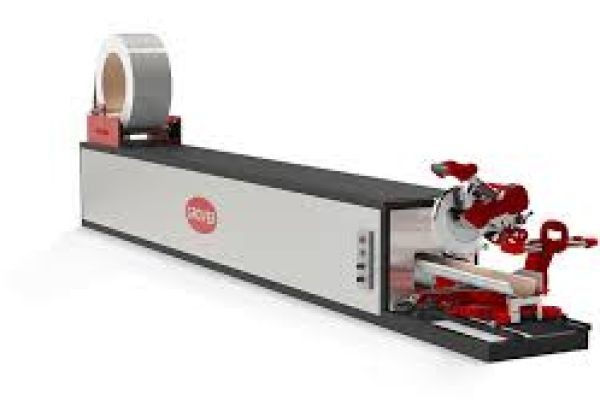
Gutter machines have transformed the way contractors and manufacturers produce rain gutters for residential, commercial, and industrial buildings. Instead of relying on pre-cut sections with fixed lengths, modern equipment allows professionals to form continuous gutters according to the exact measurements required for a project.
For roofing and gutter businesses, the right machine can improve production efficiency, reduce material waste, and make it easier to provide customized gutter systems. Understanding how gutter machines work and what to consider before purchasing one can help businesses make a practical equipment decision.
What Are Gutter Machines?
A gutter machine is specialized equipment designed to form metal coils into finished rain gutters. The machine feeds a continuous strip of material through a series of forming rollers, gradually shaping it into the desired gutter profile.
Many machines are designed for common gutter styles, such as K-style gutters, while specialized equipment can produce other profiles and dimensions.
Gutter machines are commonly used by:
-
Roofing contractors
-
Gutter installation companies
-
Metal fabrication businesses
-
Building material suppliers
-
Custom gutter manufacturers
How Does a Gutter Machine Work?
The production process is relatively straightforward. A metal coil is loaded onto the machine, and the material is guided through multiple forming stations.
Each set of rollers gradually changes the shape of the flat metal until it reaches the final gutter profile. Once the desired length is reached, a cutting system separates the finished section from the continuous material.
Depending on the equipment, operators may be able to adjust production settings for different lengths and materials.
This allows contractors to produce gutters on demand rather than transporting large quantities of pre-cut sections to every job site.
Common Materials Used With Gutter Machines
Gutter machines can be configured to work with several types of metal. The appropriate material depends on the machine's specifications and the requirements of the project.
Common options include:
Aluminum
Aluminum is widely used because it is lightweight, corrosion-resistant, and available in many finishes and colors. It is also relatively easy to transport and handle during installation.
Steel
Steel gutters offer strength and durability. They can be useful for applications where additional structural toughness is important.
Copper
Copper gutters are often selected for high-end architectural projects because of their distinctive appearance and ability to develop a natural patina over time. Specialized equipment may be required depending on the machine and material thickness.
Benefits of Using a Gutter Machine
Investing in gutter-forming equipment can provide several advantages for businesses.
Custom-Length Gutters
One of the biggest benefits is the ability to manufacture gutters in specific lengths. Continuous gutters can reduce the number of joints required during installation, depending on the building design and installation method.
Faster Production
Once properly set up, a gutter machine can form long sections of gutter efficiently. This can help contractors spend less time preparing materials and more time completing installations.
Reduced Material Waste
Producing gutters according to project measurements can help reduce unnecessary offcuts. Better material utilization may also improve overall job profitability.
Easier Transportation
Many gutter machines can be installed in trailers or mobile production setups. This allows contractors to manufacture gutters closer to the job site instead of transporting long sections from a distant supplier.
Professional Results
Consistent machine forming can produce uniform gutter profiles. Properly maintained rollers and accurate machine settings are important for achieving reliable results.
What to Consider Before Buying a Gutter Machine
Not every gutter machine is suitable for every business. Before purchasing equipment, contractors should evaluate several factors.
Gutter profile: Determine whether the machine produces the gutter style and dimensions your customers typically request.
Material compatibility: Check which metals, gauges, and coil widths the machine can process.
Production speed: Consider how much gutter you expect to produce during a typical working day.
Machine size: If you plan to use the equipment in a trailer or service vehicle, verify that the available space is sufficient.
Ease of operation: Straightforward controls can make training new operators easier.
Durability: A machine used frequently should have a strong frame, reliable forming components, and accessible replacement parts.
Support and maintenance: Manufacturer support, spare parts, and technical assistance can be important for minimizing downtime.
Maintaining Gutter Forming Equipment
Regular maintenance is essential for keeping a gutter machine operating properly. Operators should follow the manufacturer's maintenance instructions and inspect the equipment routinely.
Important maintenance tasks may include cleaning the forming area, checking rollers for damage or buildup, inspecting fasteners, lubricating designated components, and ensuring cutting systems remain properly adjusted.
A machine that is correctly maintained can provide more consistent production and help reduce unexpected interruptions.
Mobile Gutter Machines for Contractors
Mobile gutter machines have become particularly useful for installation companies. A contractor can transport the equipment to a job site, load the required coil material, and produce gutters based on actual measurements.
This approach can be useful for projects with unusual dimensions or buildings where standard gutter lengths are not practical.
However, mobile setups should be planned carefully. The trailer or vehicle must have adequate space, power requirements, material storage, and safe operating conditions.
Final Thoughts
Gutter machines provide an efficient way to manufacture custom-length rain gutters while improving flexibility and material management. For contractors and manufacturers, the right equipment can support faster production, consistent profiles, and more customized installation solutions.






