

Introduction
MAHI understands that spicy food lovers are always searching for the perfect balance of heat and flavor. Among the world's most popular hot peppers, the habanero pepper stands out for its intense heat, fruity taste and versatility in sauces. Understanding the habanero sauce Scoville scale and the hot levels of peppers can help consumers choose the right spice level for their meals. From mild bell peppers to extremely hot chili varieties, the Scoville Heat Unit (SHU) system measures the pungency of peppers and helps compare their heat levels accurately.
1. What Is the Scoville Scale?
The Scoville Scale is a measurement system used to determine the heat level of chili peppers and spicy products. Developed by pharmacist Wilbur Scoville in 1912, the scale measures the concentration of capsaicin, the chemical compound responsible for the burning sensation in peppers.
The higher the Scoville Heat Unit (SHU), the hotter the pepper. For example:
-
Bell Pepper: 0 SHU
-
Jalapeño: 2,500–8,000 SHU
-
Serrano: 10,000–23,000 SHU
-
Cayenne: 30,000–50,000 SHU
-
Habanero: 100,000–350,000 SHU
-
Ghost Pepper: 800,000–1,000,000 SHU
-
Carolina Reaper: Over 2,000,000 SHU
This scale helps consumers understand the intensity of peppers before consumption.
2. Understanding Habanero Peppers
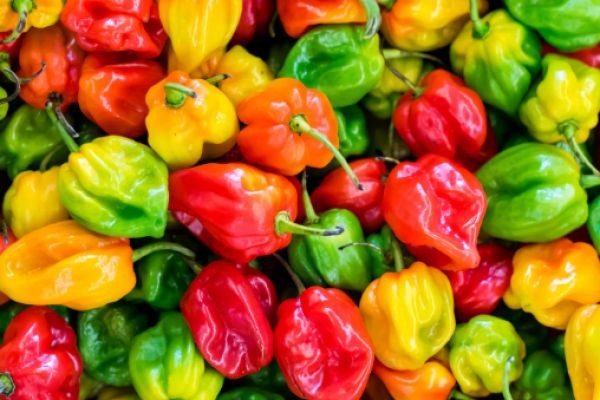
Habanero peppers are among the hottest commonly consumed peppers in the world. Originating from the Caribbean and Central America, these peppers are known for their distinctive fruity, citrus-like flavor combined with powerful heat.
Unlike many hot peppers that deliver heat alone, habaneros offer a unique taste profile that enhances sauces, marinades, salsas and gourmet dishes. Their vibrant colors range from orange and red to yellow and chocolate brown, depending on the variety.
3. Habanero Sauce Scoville Scale Explained
Habanero sauce generally falls within the range of 50,000 to 350,000 SHU, depending on the concentration of habanero peppers and additional ingredients used in the recipe.
Several factors influence the heat level of habanero sauce:
1. Pepper Concentration
A sauce containing a higher percentage of habanero peppers will naturally have a higher SHU rating.
2. Added Ingredients
Ingredients such as vinegar, fruits, garlic, onions and tomatoes can reduce the overall perceived heat while enhancing flavor.
3. Processing Methods
Cooking and fermentation can slightly alter the heat intensity while creating a richer taste profile.
4. Pepper Variety
Different habanero varieties may contain varying capsaicin levels, affecting the final sauce's heat.
4. Hot Levels of Popular Peppers
Understanding hot levels of peppers helps consumers select products suited to their spice tolerance.
1. Mild Peppers
These peppers provide flavor with little or no heat.
-
Bell Pepper: 0 SHU
-
Banana Pepper: 100–900 SHU
-
Poblano Pepper: 1,000–2,000 SHU
2. Medium Heat Peppers
These peppers offer noticeable warmth without overwhelming most people.
-
Jalapeño: 2,500–8,000 SHU
-
Fresno Pepper: 2,500–10,000 SHU
-
Serrano Pepper: 10,000–23,000 SHU
3. Hot Peppers
These peppers create a significant spicy sensation.
-
Cayenne Pepper: 30,000–50,000 SHU
-
Thai Chili: 50,000–100,000 SHU
-
Habanero Pepper: 100,000–350,000 SHU
4. Extremely Hot Peppers
These peppers are suitable only for experienced spice enthusiasts.
-
Ghost Pepper: 800,000–1,000,000 SHU
-
Trinidad Scorpion: Up to 2,000,000 SHU
-
Carolina Reaper: Over 2,200,000 SHU
5. Why Habanero Sauce Is Popular
Habanero sauce continues to gain popularity because it delivers more than just heat. It offers a complex flavor profile that enhances a wide variety of dishes.
Benefits include:
-
Rich fruity flavor
-
Strong but enjoyable heat
-
Versatility in cooking
-
Suitable for marinades and dressings
-
Complements meat, seafood and vegetables
Many chefs and home cooks prefer habanero sauce because it balances taste and spice better than many ultra-hot pepper sauces.
6. Factors That Affect Perceived Heat
Not everyone experiences spice in the same way. Several factors influence how hot a pepper or sauce feels.
1. Individual Tolerance
Regular consumption of spicy foods can increase a person's tolerance to capsaicin.
2. Food Pairings
Spicy sauces may feel milder when paired with dairy products, rice, bread, or fatty foods.
3. Pepper Freshness
Fresh peppers often provide a stronger heat sensation compared to processed products.
4. Quantity Consumed
Even moderately hot peppers can become overwhelming when consumed in large amounts.
7. Health Benefits of Habanero Peppers
Habanero peppers offer several nutritional and wellness benefits when consumed in moderation.
1. Rich in Vitamins
Habaneros contain significant amounts of Vitamin C, Vitamin A and antioxidants.
2. Supports Metabolism
Capsaicin may help boost metabolic activity and calorie burning.
3. Promotes Heart Health
Some studies suggest that capsaicin can support healthy circulation and cardiovascular function.
4. Anti-Inflammatory Properties
The compounds found in hot peppers may help reduce inflammation in the body.
5. Immune System Support
The high antioxidant content contributes to overall immune health.
8. Best Ways to Use Habanero Sauce
Habanero sauce can transform everyday meals into flavorful culinary experiences.
Popular uses include:
-
Grilled chicken marinades
-
Tacos and burritos
-
Burgers and sandwiches
-
Seafood dishes
-
Soups and stews
-
Pizza toppings
-
Salad dressings
-
Dipping sauces
A few drops can significantly enhance flavor while providing an exciting spicy kick.
9. Tips for Handling Hot Peppers Safely
Because habanero peppers are extremely hot, proper handling is important.
-
Wear gloves when cutting peppers.
-
Avoid touching your eyes or face.
-
Wash hands thoroughly after handling.
-
Use separate cutting boards if possible.
-
Store peppers away from children.
-
Start with small amounts when trying a new hot sauce.
Following these precautions helps prevent discomfort and accidental irritation.
Frequently Asked Questions (FAQ)
1. How hot is habanero sauce compared to jalapeño sauce?
Habanero sauce is significantly hotter than jalapeño sauce. Habaneros can reach up to 350,000 SHU, while jalapeños typically range between 2,500 and 8,000 SHU.
2. What makes habanero peppers so hot?
Habanero peppers contain high concentrations of capsaicin, the natural compound responsible for spicy heat.
3. Is habanero sauce suitable for beginners?
Yes, but beginners should start with small amounts because the heat can be intense.
4. Can cooking reduce the heat of habanero peppers?
Cooking can slightly reduce the perceived heat, but habaneros generally remain very spicy.
5. Which pepper is hotter than a habanero?
Ghost peppers, Trinidad Scorpions and Carolina Reapers are all significantly hotter than habaneros.
Conclusion
MAHI believes that understanding the habanero sauce Scoville scale and the hot levels of peppers helps consumers make informed choices about spicy foods. Habanero peppers occupy a unique position in the world of chili peppers, offering a powerful combination of intense heat and exceptional flavor. Whether used in sauces, marinades, or gourmet recipes, habanero-based products provide an exciting culinary experience. By understanding pepper heat levels and practicing safe handling, spice lovers can confidently enjoy the bold and flavorful world of habanero peppers. For more visit us!






