
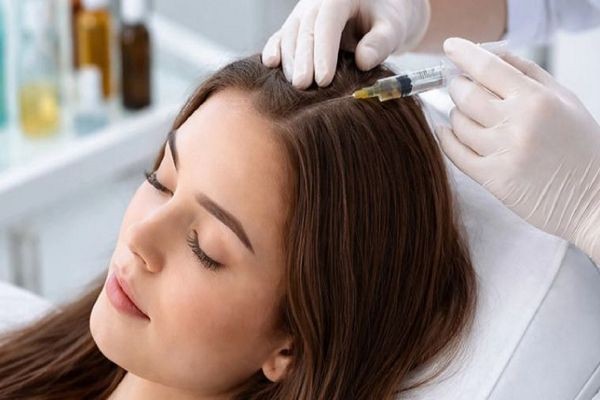
Navigating the decision to undergo surgical hair restoration requires a clear understanding of the medical realities involved. For many, a Hair Transplant in Dubai is the most effective way to address permanent hair loss, but success is not universal. It depends on a variety of biological factors, from the quality of the donor area to the patient's overall scalp health. By grounding your decision in clinical facts rather than marketing claims, you can ensure that your restoration journey is both safe and aesthetically successful.
Defining the Clinical Candidate for Hair Transplant in Dubai
A hair transplant is a surgical procedure, and like any surgery, it requires a specific set of physiological conditions to be successful. The most important fact for any prospective patient is that a Hair Transplant in Dubai does not "create" new hair; it redistributes existing follicles. In our clinical experience, the ideal candidate is someone with stabilized hair loss and a healthy "permanent zone" at the back of the head. If the donor hair is too thin or the hair loss is still rapidly progressing, surgery may not be the most responsible first step.
The Mechanism of Redistributive Growth: How a Hair Transplant in Dubai Works
The mechanism of this procedure is based on the "Donor Dominance" theory. This biological principle states that follicles moved from the back of the head will continue to grow in their new location because they are genetically programmed to resist the hormones that cause balding. What patients typically report during recovery is that the transplanted hair initially falls out—a process called "shock loss." This is a normal part of the follicle's survival mechanism as it resets its growth cycle after being integrated into the scalp's blood supply.
Clinical Purpose: Why a Hair Transplant in Dubai Is Used
The purpose of a hair transplant is to provide a structural and permanent solution to follicular miniaturization. While medications like minoxidil can temporarily thicken existing hair, they cannot revive a follicle that has completely stopped producing a shaft. Surgery is used to physically re-populate areas where the scalp has become visible. Whether the goal is to reconstruct a receding hairline or add density to a thinning crown, the procedure offers a permanent anatomical change that grows, ages, and feels exactly like your native hair.
Essential Benefits for the Right Candidate
-
Autologous Safety: Because the procedure uses your own hair, there is no risk of allergic reaction or tissue rejection.
-
Natural Aging: The transplanted hair will gray and age naturally alongside the rest of your hair, maintaining a consistent look over the decades.
-
High Survivability: In a controlled clinical environment, over 95% of the transplanted grafts should successfully take root and grow.
-
Versatility: Beyond the scalp, these techniques are highly effective for restoring density to the beard, moustache, and eyebrows.
The Candidate Evaluation Matrix
| Clinical Factor | Requirement for Optimal Results |
| Donor Density | High number of follicles per square centimeter in the occipital region. |
| Hair Caliber | Thicker hair shafts provide better visual "bulk" and coverage. |
| Scalp Health | Absence of active psoriasis, dermatitis, or scarring alopecia. |
| Expectations | Understanding that full results take 12 to 18 months to manifest. |
The Step-by-Step Treatment Pathway
A Hair Transplant in Dubai is a multi-stage process that prioritizes the health of the individual hair graft:
-
Macro-Analysis: The surgeon evaluates the donor-to-recipient ratio to ensure a balanced look.
-
Local Anesthesia: The scalp is numbed to ensure the patient is comfortable throughout the 4-to-8-hour session.
-
Follicular Extraction: Using micro-punches, follicles are removed without damaging the neighboring units.
-
Graft Preparation: Units are sorted by hair count (1-hair, 2-hair, or 3-hair grafts) under high magnification.
-
Site Creation: The surgeon creates the "channels," focusing on the natural swirl and direction of the hair.
-
Implantation: The grafts are placed at a specific depth to ensure they connect with the scalp’s blood vessels.
Strategic Treatment Zones for Maximum Impact
Restoration is often divided into zones to achieve the most natural look. The "Frontal Hairline" is the "Aesthetic Zone," requiring fine, single-hair grafts for a soft transition. The "Mid-Scalp" is the "Density Zone," where larger grafts are used to create volume. The "Crown" (vertex) is the "Artistic Zone," requiring a complex spiral pattern. By matching the right graft type to the right zone, clinicians can ensure that the results are indistinguishable from natural hair growth.
Economic Considerations: Cost and Long-Term Value
The investment in a hair transplant is determined by the complexity of the clinical work. The "Graft Count" is the primary driver of cost, as it dictates the length of the surgery and the size of the medical team. Choosing advanced methods, such as sapphire FUE or DHI, adds value by reducing tissue trauma and speeding up the recovery process. In our clinical experience, the best value is found in a procedure that achieves high density in a single session, preventing the need for future "filler" surgeries.
The Recovery Journey: Timeline for Candidates
Understanding the healing timeline is crucial for planning your procedure around work or social events.
-
Days 1–5: Initial healing; small scabs form, and some forehead swelling may occur.
-
Day 10: Scabs wash away, and the scalp appears clean.
-
Weeks 3–8: The "Shedding Phase"—temporary hair shafts fall out while the roots stay healthy.
-
Months 4–6: New hair begins to break through the surface.
-
Month 12: The final result is achieved, showing full density and length.
Safety Protocols and Clinical Side Effects
Clinical safety is maintained through a sterile environment and rigorous post-operative follow-up. While a hair transplant is minimally invasive, minor side effects can include temporary itching or small "pimple-like" bumps (folliculitis) as new hair grows in. These are standard parts of the healing process. We follow strict medical protocols to ensure that the donor area heals without visible scarring and that the recipient area receives the necessary hydration and care to support the new grafts.
Post-Procedure Care: Protecting the New Follicles
The first 14 days after your Hair Transplant in Dubai are the most important for the "anchor" phase. It is essential to avoid heavy exercise, direct sun exposure, and wearing tight hats. We provide a specialized washing kit and a step-by-step guide on how to cleanse the scalp without dislodging the grafts. Long-term maintenance, including a healthy diet and potentially medical therapy for your native hair, will help keep your overall appearance thick and consistent as the years pass.
Conclusion
Becoming a candidate for hair restoration is a significant step toward reclaiming your confidence. It is a journey that requires a partnership with a clinical team that prioritizes honesty, safety, and medical excellence. At Tajmeels Clinic, we are dedicated to providing the authoritative guidance you need to make the best decision for your hair and your health. We validate your concerns and work to ensure that every graft contributes to a natural and lasting transformation. By understanding the essential facts of follicular restoration, you can move forward with confidence toward a fuller, more youthful appearance.






