
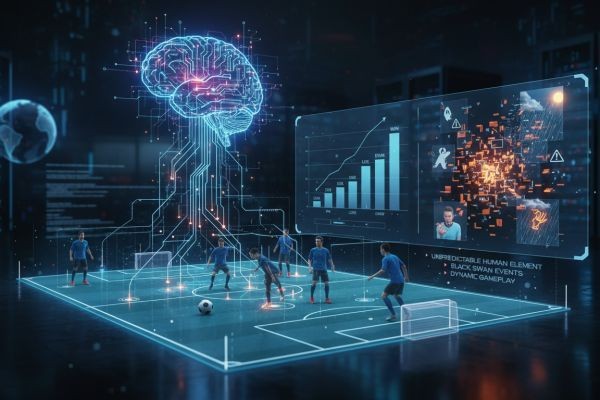
The Rise of Predictive Analytics in Sports
Walk into any modern sports analytics department, and you'll find teams using AI models that process millions of data points per match. These sophisticated algorithms have transformed how bookmakers set odds, how broadcasters prepare storylines, and even how coaches plan tactics. Yet despite all this computational power, upsets still happen with surprising regularity.
AI prediction models excel at pattern recognition. They digest historical match data, player statistics, weather conditions, and even social media sentiment to generate probability scores. In football, models like those used by Opta and StatsBomb can predict match outcomes with approximately 55-60% accuracy—significantly better than random chance, but far from infallible.
What AI Gets Right
Machine learning models particularly shine when analyzing structured, quantifiable data. They can identify subtle correlations humans might miss: how a team's pressing intensity in the first 15 minutes correlates with final results, or how specific player combinations affect defensive stability. These models factor in dozens of variables simultaneously—something human analysts struggle to do intuitively.
The best AI systems learn continuously. After each match, they adjust their weighting of different factors, becoming progressively more sophisticated. This adaptive capability allows them to detect emerging trends, like a team's gradual tactical evolution or a player's declining physical performance.
The Human Factor: Where Algorithms Struggle
Here's where it gets interesting. AI models consistently underestimate the impact of what statisticians call ""unquantifiable variables."" Motivation, team chemistry, psychological pressure—these elements resist mathematical modeling. Consider Leicester City's 2015-16 Premier League triumph: no algorithm predicted it because the data couldn't capture the unique combination of timing, belief, and circumstance that made it possible.
Injuries present another challenge. While models can incorporate injury history, they struggle with the nuanced impact of a key player's absence. How does a team psychologically respond when their captain gets injured? What tactical adjustments will the coach make? These cascading effects confound even sophisticated algorithms.
The Future: Hybrid Intelligence
The most effective approach combines algorithmic power with human insight. AI handles the data-heavy lifting—identifying patterns, calculating probabilities, flagging anomalies—while experienced analysts interpret context and intangibles. As one sports data scientist told me: ""The algorithm tells me what's likely to happen. My job is understanding why it might not.""
Details here: https://ambazania.org






