
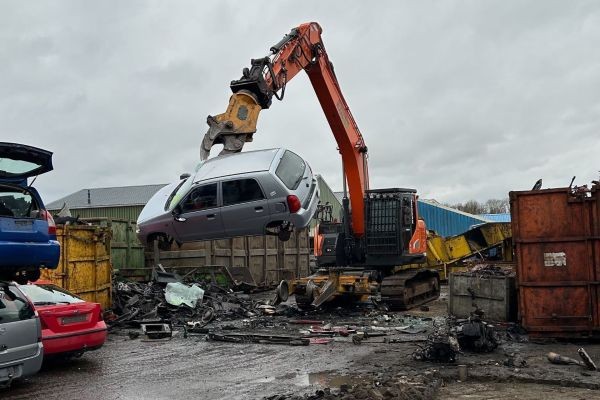
Every year, thousands of end-of-life vehicles reach the end of their practical road life across South Australia, leaving owners with a genuine dilemma: what to do with a car that no longer runs, has been written off, or simply costs more to fix than it's worth. This is precisely where automotive recycling steps in as a sustainable, economically sensible solution. For residents in the eastern suburbs and surrounding ranges, engaging car wreckers Adelaide Hills operators has become one of the most practical ways to dispose of an unwanted vehicle responsibly while recovering genuine financial value from what many would otherwise consider scrap.
Automotive recycling isn't simply about crushing old cars and forgetting about them. It's a structured, environmentally conscious process that strips a vehicle down to its most reusable components, from engines and gearboxes to smaller parts like alternators and wiring looms, before responsibly processing the remaining materials. In a state like South Australia, where sustainability targets and landfill reduction goals are increasingly prioritised, this industry plays a far more significant role than most car owners realise.
The Growing Problem of Vehicle Waste in South Australia
South Australia's roads carry a substantial number of ageing vehicles, many of which eventually become inoperable due to mechanical failure, accident damage, or simple obsolescence. Without proper recycling channels, these vehicles risk ending up abandoned on private properties, dumped illegally in rural areas, or left to deteriorate in backyards, leaching fluids and rust into the surrounding soil.
The environmental consequences of improper vehicle disposal are considerable. A single abandoned car can leak oil, coolant, brake fluid, and battery acid into groundwater systems over time. Tyres, when left to degrade naturally, can take well over a century to break down and often become breeding grounds for mosquitoes and other pests. Multiply this by the thousands of vehicles reaching end-of-life status annually across the state, and the scale of the issue becomes clear.
This is why structured recycling pathways matter so much. Rather than allowing vehicles to become a slow-burning environmental hazard, the automotive recycling sector intercepts them early, extracting value and neutralising risk before damage can occur.
How Automotive Recycling Actually Works
The process of recycling a vehicle is more sophisticated than many people assume. It typically unfolds across several distinct stages:
1. Vehicle Assessment and Collection Once a vehicle is deemed unroadworthy or the owner decides to part with it, a recycling operator assesses its condition. This determines which components can be salvaged for resale and which materials will proceed to material recovery. Most reputable operators offer free vehicle collection, removing the logistical burden from the owner entirely.
2. Depollution Before any dismantling begins, vehicles undergo a depollution process. This involves the careful removal of hazardous fluids, including engine oil, transmission fluid, coolant, brake fluid, and fuel. Batteries, airbags, and air conditioning refrigerants are also extracted and handled separately, as these materials require specialised disposal methods to prevent environmental contamination.
3. Parts Dismantling Usable components, such as engines, transmissions, alternators, starter motors, doors, mirrors, and interior fittings, are removed, tested, and catalogued for resale. This secondary parts market is a cornerstone of the automotive recycling economy, giving vehicle owners access to affordable, quality-tested replacement parts rather than costly new components.
4. Material Recovery Once the vehicle has been stripped of reusable parts, the remaining shell undergoes shredding and material separation. Steel, aluminium, copper, and other metals are sorted and sent to smelters for reprocessing into new products, ranging from construction materials to new vehicle components.
5. Responsible Disposal of Residual Waste Any non-recyclable material left over is disposed of in accordance with state environmental regulations, ensuring minimal landfill impact.
This entire chain transforms what was once considered rubbish into a genuine resource loop, feeding raw materials back into manufacturing industries while keeping hazardous substances out of the natural environment.
Why Adelaide Hills Residents Are Turning to Local Wreckers
The Adelaide Hills region, with its blend of rural properties, semi-rural townships, and winding roads, presents unique challenges when it comes to vehicle disposal. Steep driveways, gravel roads, and properties set back from main thoroughfares can make arranging removal of a dead or damaged vehicle more complicated than in metropolitan areas.
Local car wreckers Adelaide Hills specialists understand these geographic nuances and typically offer tailored collection services that account for rural access issues. Rather than expecting owners to somehow transport an immobile vehicle to a yard, these operators bring flatbed trucks and towing equipment directly to the property, regardless of how remote the location might be.
Beyond convenience, there's also a financial incentive. Many vehicles that seem worthless to their owners still contain valuable scrap metal, functioning parts, or components in demand within the secondary parts market. This means owners can often receive a cash payment for vehicles they assumed had no residual value whatsoever, whether the car is a decade-old sedan with engine trouble or a ute that's been sitting idle after an accident.
The Broader Role of Car Wreckers Services Across Adelaide
While the Adelaide Hills has its own specific needs, it's worth understanding how this fits into the wider metropolitan picture. Car wreckers services Adelaide wide have expanded significantly in scope and professionalism over recent years, moving away from the informal scrapyard image of decades past toward a genuinely regulated, environmentally accountable industry.
Modern wrecking operations across the greater Adelaide region now typically hold licensing that requires compliance with the Environment Protection Authority's guidelines on fluid handling, waste disposal, and site management. This regulatory oversight ensures that when a vehicle is processed, it happens according to strict standards designed to protect both public health and local ecosystems.
For consumers, this shift means greater confidence when choosing a wrecking service. Reputable operators provide transparent quotes, handle all necessary paperwork including notice of disposal documentation, and often offer same-day or next-day collection. This professionalisation of the industry has also made it significantly easier for South Australians to do the right thing environmentally without sacrificing convenience or fair financial return.
The demand for these services spans a wide range of scenarios: vehicles written off after accidents, cars that have failed roadworthy inspections beyond economical repair, vehicles affected by flood or fire damage, and simply ageing cars that owners no longer wish to maintain. In each case, professional wreckers offer a pathway that avoids the hassle of private sale attempts for a non-functioning vehicle.
Understanding Car Body Removal in Adelaide
One particular service that deserves closer attention is car body removal Adelaide residents frequently require, especially in cases involving severely damaged or completely non-operational vehicles. When a car has been in a serious collision, suffered fire damage, or simply rusted beyond any practical repair, the remaining shell can become both an eyesore and a genuine safety hazard on residential properties.
Car body removal services are specifically designed to handle these more challenging cases. Unlike standard vehicle collection, body removal often involves vehicles that cannot be driven or even towed conventionally, requiring specialised lifting equipment or winching to extract the wreck from difficult positions, whether that's a car that's rolled into a ditch, become embedded in undergrowth, or is simply too structurally compromised to move under normal towing methods.
This service also extends to situations where multiple vehicle bodies have accumulated on a single property over time, a common scenario on larger rural or semi-rural blocks throughout South Australia. Rather than owners facing the daunting task of coordinating disposal for several wrecks simultaneously, professional removal teams can clear an entire property in a single organised operation, restoring both the aesthetic and functional use of the land.
Importantly, body removal services typically operate at no cost to the property owner, as the recoverable steel and metal content within the vehicle shell often covers the cost of extraction and transport. This makes it an accessible option regardless of how long a wreck has been sitting idle or how difficult it might be to access.
Environmental and Economic Benefits at a Glance
The value of automotive recycling extends well beyond individual convenience. Considered collectively, the industry delivers measurable benefits across South Australia:
- Reduced landfill pressure: Vehicles diverted from illegal dumping or backyard abandonment prevent hazardous materials from entering soil and waterways.
- Resource conservation: Recycled steel and aluminium require significantly less energy to reprocess compared to producing virgin metal, lowering the overall carbon footprint of manufacturing industries.
- Affordable parts access: The secondary parts market gives mechanics and everyday motorists access to tested, functional components at a fraction of new part pricing, extending the usable life of other vehicles still on the road.
- Local employment: The wrecking and recycling sector supports jobs across collection, dismantling, parts sales, and metal processing throughout the state.
- Reduced illegal dumping: Easy access to free collection services removes the temptation or perceived necessity of abandoning vehicles on public or private land.
Together, these factors position automotive recycling as one of the more understated yet impactful contributors to South Australia's broader sustainability agenda.
Frequently Asked Questions
Q. What happens to my car once it's collected by a wrecking service?
Once collected, your vehicle undergoes an initial assessment before proceeding through depollution, where all hazardous fluids and materials are safely removed. Reusable parts are then dismantled, tested, and catalogued for resale, while the remaining shell is shredded and separated into recoverable metals. Any residual waste is disposed of in line with South Australian environmental regulations.
Q. Can I get paid for a car that doesn't run?
Yes. Most professional wreckers, including those offering car wreckers services Adelaide wide, will pay for non-running vehicles based on their scrap metal value, the condition of reusable parts, and current market rates for materials like steel and aluminium. Even vehicles with significant mechanical or structural damage often retain meaningful value.
Q. Do I need to organise transport for my vehicle myself?
No, this is generally unnecessary. Reputable operators provide free collection as part of their service, using tow trucks or flatbed equipment to remove the vehicle directly from your property, regardless of whether it's in a metropolitan suburb or a more remote Adelaide Hills location.
Q. Is car body removal really free of charge?
In most cases, yes. Because the recoverable metal within a vehicle body typically offsets the cost of removal and transport, property owners are rarely charged for this service. It's worth confirming this directly with your chosen provider, as circumstances involving extremely difficult access or extraction may occasionally involve additional considerations.
Q. What paperwork do I need to provide when scrapping a vehicle?
You'll generally need proof of ownership, such as vehicle registration papers, along with photo identification. Reputable wrecking services will also handle the notice of disposal on your behalf, ensuring the vehicle is officially deregistered so you're no longer liable for it under South Australian transport regulations.
Making the Responsible Choice for South Australia's Future
As South Australia continues to prioritise sustainability across every sector, automotive recycling stands out as a practical, everyday action that individual vehicle owners can take to contribute meaningfully to environmental outcomes. Whether you're dealing with a car that's simply reached the end of its usable life in the Hills, seeking dependable car wreckers services Adelaide wide for a written-off vehicle, or needing dedicated car body removal Adelaide services to clear a stubborn wreck from your property, the pathway forward is clear, accessible, and beneficial for both your wallet and the wider environment.
Choosing a licensed, reputable recycling operator ensures your vehicle is handled responsibly from collection through to final material recovery, closing the loop on a resource that would otherwise sit idle or, worse, pose a genuine environmental risk. In doing so, South Australians play an active role in reducing vehicle waste, conserving raw materials, and supporting a circular economy that benefits communities right across the state.






