
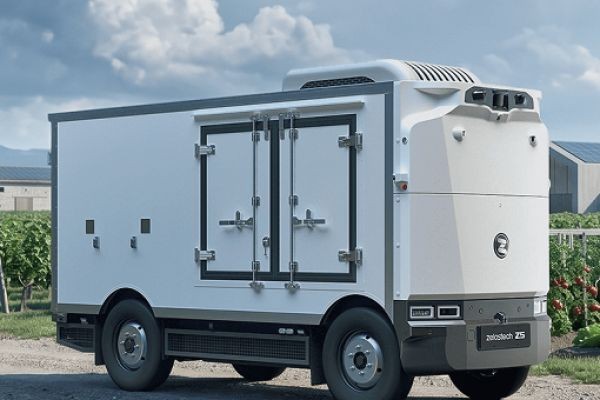
The rapid growth of e-commerce, urban distribution, and industrial automation has increased the demand for smarter transportation systems. As a result, autonomous logistics solutions have emerged as a transformative technology for modern supply chains.
By combining autonomous driving, artificial intelligence, advanced sensors, and intelligent fleet management, these solutions enable businesses to transport goods more efficiently while reducing dependence on manual operations. Companies worldwide are exploring innovative ways to improve logistics performance, and autonomous technologies are becoming a key driver of this transformation. Zelostech, for example, has deployed autonomous logistics vehicles across numerous countries and cities, demonstrating the growing scalability of autonomous transportation systems.
One of the most significant advantages of autonomous logistics solutions is their ability to improve operational efficiency. Autonomous delivery vehicles can operate continuously with optimized routing and real-time decision-making capabilities. Advanced autonomous platforms utilize integrated technologies such as LiDAR, radar, cameras, and intelligent perception systems to navigate complex environments safely and accurately. These technologies enable vehicles to perform delivery tasks with minimal human intervention while maintaining high levels of reliability. Zelostech’s autonomous platforms are designed to support various logistics applications, including FMCG distribution, pharmaceutical transportation, industrial park logistics, and retail replenishment.
Another important benefit of autonomous logistics solutions is cost reduction. Traditional logistics operations often face challenges related to labor shortages, rising transportation expenses, and increasing delivery demands. Autonomous vehicles help address these challenges by automating repetitive transportation tasks and improving fleet utilization. Through intelligent scheduling and route optimization, businesses can reduce fuel consumption, lower labor costs, and improve overall productivity. Industry research has also shown that autonomous delivery technologies have significant potential to reduce last-mile delivery costs while increasing service efficiency.
Safety is another critical factor driving the adoption of autonomous logistics solutions. Modern autonomous vehicles are equipped with 360-degree perception systems that continuously monitor surrounding environments. By processing data from multiple sensors, these systems can detect obstacles, pedestrians, vehicles, and road conditions in real time. Advanced autonomous driving architectures improve decision-making accuracy and reduce the risk of human error. The integration of safety-focused technologies allows autonomous logistics fleets to operate effectively in complex urban and industrial environments while maintaining consistent operational standards.
The versatility of autonomous logistics solutions makes them suitable for a wide range of applications. From cold-chain transportation and warehouse logistics to industrial parks and urban delivery networks, autonomous vehicles can adapt to diverse operational requirements. Companies are increasingly deploying specialized autonomous platforms designed for different cargo types and delivery scenarios. As autonomous technologies continue to mature, organizations can build more flexible and scalable logistics ecosystems capable of meeting changing market demands.
In conclusion, autonomous logistics solutions are reshaping the future of transportation and supply chain management. By improving efficiency, reducing costs, enhancing safety, and supporting scalable logistics operations, these technologies provide substantial value for businesses across multiple industries. As autonomous vehicle deployment continues to expand globally, autonomous logistics solutions will play an increasingly important role in creating smarter, more sustainable, and highly efficient supply chains for the future.






