
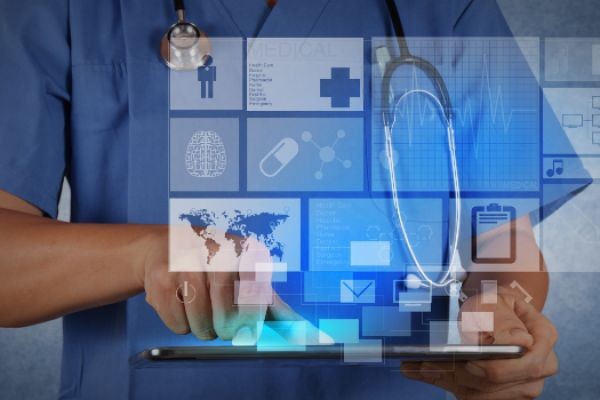
The healthcare industry is evolving faster than ever. Clinics today are no longer competing only on the basis of medical expertise; they are also judged on patient experience, operational efficiency, data security, and convenience. As patient expectations rise and administrative complexities increase, clinics that rely on manual processes or outdated systems often struggle to keep pace. This is where modern management systems play a crucial role. By adopting advanced digital tools, clinics can streamline operations, enhance patient satisfaction, and remain competitive in an increasingly crowded healthcare landscape.
The Changing Nature of Competition in Healthcare
Competition among clinics has intensified due to factors such as increased patient awareness, easy access to online information, and the growth of private healthcare facilities. Patients now compare clinics based on appointment availability, wait times, record accessibility, and communication efficiency. Clinics that fail to modernize risk losing patients to facilities that offer smoother, faster, and more transparent services. Modern management systems help clinics adapt to these changing expectations without compromising on quality of care.
Improving Operational Efficiency Through Automation
One of the biggest challenges clinics face is managing day-to-day administrative tasks. Manual appointment scheduling, paper-based patient records, and fragmented billing processes consume valuable time and increase the risk of errors. Modern management systems automate these routine operations, allowing staff to focus more on patient care.
Automated appointment scheduling reduces double bookings and missed appointments. Digital patient records eliminate the need for physical files, making information retrieval faster and more accurate. Billing and invoicing systems ensure financial processes remain transparent and efficient. Together, these improvements significantly reduce operational bottlenecks and enhance overall clinic productivity.
Enhancing Patient Experience and Satisfaction
Patient experience has become a major differentiator in healthcare. Modern management systems enable clinics to offer services that patients now expect as standard. Online appointment booking, automated reminders, and quick access to medical records all contribute to a smoother patient journey.
Additionally, centralized systems allow healthcare providers to view complete patient histories, leading to more informed consultations and personalized care. When patients feel that their time is respected and their data is handled professionally, they are more likely to return and recommend the clinic to others.
Data-Driven Decision Making for Better Outcomes
Modern clinics generate large amounts of data, from patient demographics to treatment outcomes and financial performance. Without the right tools, this data often remains underutilized. Modern management systems provide analytics and reporting features that help clinic owners and administrators make informed decisions.
By analyzing appointment trends, clinics can optimize staffing schedules. Financial reports help identify revenue leaks and cost-saving opportunities. Clinical data analysis can support better treatment planning and improved patient outcomes. Data-driven decision making enables clinics to grow strategically rather than relying on guesswork.
Strengthening Data Security and Compliance
Healthcare data is highly sensitive, and protecting patient information is both an ethical and legal responsibility. Manual record-keeping and outdated systems increase the risk of data breaches and loss. Modern management systems are designed with security in mind, offering features such as role-based access, encrypted data storage, and secure backups.
These systems also help clinics comply with healthcare regulations and standards by maintaining accurate records and audit trails. A strong focus on data security not only protects patients but also builds trust, which is essential for maintaining a competitive reputation.
Supporting Scalability and Future Growth
As clinics expand by adding new services, doctors, or branches, managing operations becomes increasingly complex. Modern management systems are built to scale alongside clinic growth. They allow easy integration of new users, departments, and locations without disrupting existing workflows.
Scalable systems ensure consistency across operations, whether a clinic is managing a single location or multiple branches. This flexibility allows clinics to plan for long-term growth while maintaining efficiency and service quality.
Enabling Better Communication and Collaboration
Effective communication is critical in healthcare settings. Modern management systems facilitate seamless communication between doctors, staff, and administrative teams. Shared dashboards, internal notes, and real-time updates ensure everyone stays informed.
Improved communication reduces misunderstandings, enhances coordination, and ensures patients receive timely care. Clinics that foster strong internal collaboration are better equipped to handle high patient volumes and complex cases.
Conclusion
Staying competitive in today’s healthcare environment requires more than clinical expertise alone. Clinics must operate efficiently, prioritize patient experience, safeguard data, and make informed decisions to thrive. Modern management systems provide the digital foundation needed to achieve these goals and adapt to the evolving demands of healthcare delivery. By embracing technology, clinics can position themselves for sustainable growth and long-term success. Platforms like Instacare.com.pk highlight how adopting the right Clinic Management Software Pakistan can help clinics modernize operations, improve patient care, and remain competitive in an increasingly digital healthcare ecosystem.






