
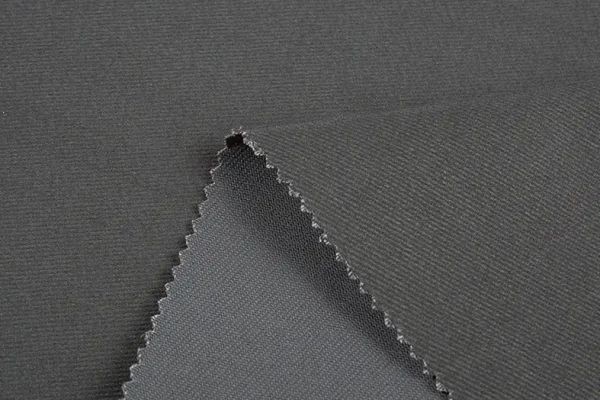
A cotton fabric manufacturer [https://www.clothotextile.com/product/cotton/] sits at the heart of the global textile industry, transforming raw fibers into the soft, breathable materials that people wear, sleep in, and live with every day. The journey from cotton boll to finished fabric is more intricate than most consumers ever imagine, involving careful sourcing, spinning, weaving, and finishing steps that each demand real expertise.
It all begins in the cotton fields. A reliable cotton fabric manufacturer works closely with growers to source raw cotton that meets consistent quality standards — the right staple length, fiber strength, and moisture content all influence how the final fabric will behave. Short-staple cotton tends to produce heavier, more rugged fabrics, while long-staple varieties yield smoother, finer cloth with a silkier hand feel. Getting this sourcing right is foundational.
Once the raw cotton arrives at the mill, it goes through ginning to remove seeds and debris, then carding and combing to align the fibers into a clean, uniform sliver. The spinning stage twists these fibers into yarn — and the twist rate, tension, and speed all affect the yarn's character. A manufacturer with well-maintained spinning equipment and experienced technicians can produce yarn with fewer weak points and a more consistent count.
Weaving or knitting transforms that yarn into fabric. Woven cotton fabrics like poplin, twill, and canvas each have distinct structural patterns that give them different weights and drape qualities. Knitted cotton, by contrast, stretches more generously and feels softer against the skin — hence its popularity in T-shirts and casual wear. A cotton fabric manufacturer typically specializes in one or both of these construction methods depending on the market segments they serve.
Finishing is where the fabric truly comes alive. Dyeing, bleaching, mercerizing, and applying softening treatments all happen at this stage. Mercerization, for instance, treats cotton yarn or fabric with a caustic soda solution under tension, permanently swelling the fibers and giving the surface a subtle, attractive luster while improving its ability to take on dye evenly. Many cotton fabric manufacturers [https://www.clothotextile.com/product/cotton/] have invested heavily in water-recycling systems for their dye houses, reducing both environmental impact and operating costs.






