
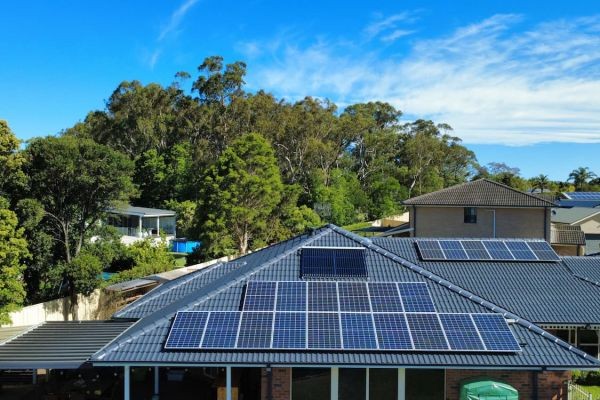
One of the most common questions homeowners ask before installing solar is how long solar panels actually last. Solar is a long-term investment, so understanding lifespan, performance over time, and what affects durability helps you make a confident decision. If you’re considering installing solar panels Gold Coast, it’s important to know what lifespan you can realistically expect and how to maximise the value of your system over time.
Here’s a clear breakdown of how long solar panels last and what factors influence their lifespan.
The Typical Lifespan of Solar Panels
Most modern solar panels are designed to last 25 to 30 years or more. This doesn’t mean they suddenly stop working after this period — it means their performance gradually declines over time.
Manufacturers usually provide performance warranties that guarantee panels will still produce around 80–85% of their original output after 25 years. Many systems continue generating electricity well beyond this timeframe, just at a slightly reduced efficiency.
How Solar Panel Performance Changes Over Time
Solar panels slowly lose efficiency each year due to natural wear and exposure to the elements. This process is known as degradation.
On average, panels degrade at a rate of around 0.3% to 0.8% per year, depending on panel quality, environmental conditions, and installation quality. High-quality panels tend to degrade more slowly, meaning they retain higher output over a longer period.
Even after 20–25 years, most systems still generate a substantial portion of their original capacity, making them a long-term, reliable energy solution.
Factors That Affect Solar Panel Lifespan
Several factors influence how long your solar panels will last and how well they perform over time:
-
Panel quality: Higher-quality panels typically have stronger frames, better materials, and slower degradation rates.
-
Installation quality: Proper installation reduces stress on panels and wiring, helping prevent premature damage.
-
Weather exposure: Panels are built to withstand harsh conditions, but prolonged exposure to extreme heat, salt air, or severe storms can affect longevity over time.
-
Roof condition: A stable, well-maintained roof supports long-term panel performance and reduces the risk of future disruptions.
Choosing quality components and professional installation plays a big role in how long your system lasts.
What About Inverters and Other Components?
While solar panels themselves last decades, other system components have shorter lifespans.
Inverters typically last 10–15 years, meaning they may need replacement during the lifetime of your solar system. Battery storage systems also have shorter lifespans than panels, depending on usage and technology type.
Understanding that some components may need replacement over time helps you plan for long-term maintenance and budgeting.
Maintenance and Care
Solar panels are low maintenance, but basic care helps maximise lifespan and performance. Keeping panels free from heavy dirt, debris, and build-up allows them to operate more efficiently.
Occasional inspections can identify issues such as loose wiring, damaged panels, or shading problems. Addressing small issues early helps prevent performance loss and extends system lifespan.
Signs Your Solar Panels May Need Attention
Over time, you may notice signs that your system isn’t performing as well as it used to. These can include:
-
Unexpected drops in energy production
-
Visible damage to panels
-
Fault messages from inverters
-
Changes in power output without changes in weather or usage
Regular monitoring of your system’s performance helps you spot issues early and keep your system operating efficiently.
Are Solar Panels Worth It Long-Term?
Because solar panels last decades, most homeowners recover their installation costs well before panels reach the end of their useful life. The long lifespan means many years of reduced electricity bills and greater energy independence.
When combined with rising electricity costs, solar often delivers strong long-term value, even when factoring in component replacements such as inverters.
Final Thoughts
Solar panels are built to last, with most systems delivering reliable performance for 25–30 years or more. While output gradually declines, high-quality panels continue generating useful electricity for decades.
If you’re considering installing solar panels Gold Coast, choosing quality components and professional installation helps ensure your system delivers long-term performance and value for your home.






