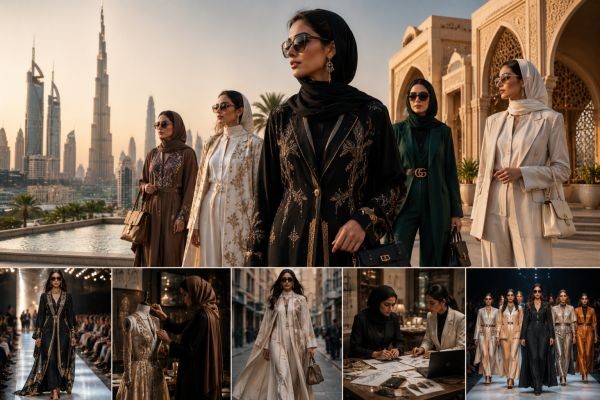
Fashion in 2026 is being shaped by cultural influence, individuality, and global accessibility. Among the strongest contributors to this shift are Middle Eastern women, who are influencing international fashion trends through their approach to style, modest wear, luxury consumption, and digital presence.
Their impact extends beyond regional markets. Designers, fashion houses, and global brands are increasingly paying attention to the preferences and purchasing power of women across the Middle East. From luxury fashion events in Dubai and Riyadh to social media-driven style movements, the region has become an important part of the global fashion conversation.
For digital platforms such as Magnav Middle East, understanding this transformation is essential for creating relevant content that reflects evolving consumer behavior and industry direction.
The Global Influence of Middle Eastern Fashion
Middle Eastern fashion has gained international recognition for combining modern design with cultural identity. Women across the region are adopting global trends while maintaining elements that reflect personal values and traditions.
This balance has created a distinct fashion identity that appeals to international audiences. Luxury brands are responding by introducing collections that include modest silhouettes, premium fabrics, and region-specific designs.
Fashion is no longer viewed only through a Western perspective. The Middle East now plays an active role in shaping trends, consumer demand, and global purchasing patterns.
The Rise of Modest Fashion in Mainstream Markets
One of the most significant developments in recent years is the expansion of modest fashion into mainstream global retail.
Middle Eastern women have helped drive demand for fashion that prioritizes elegance, comfort, and versatility without relying on revealing designs. This has encouraged international brands to introduce:
-
Longer silhouettes
-
Layered collections
-
Luxury abayas
-
Modest activewear
-
Premium headscarf lines
What was once considered a niche category is now a major segment within the fashion industry.
Social Media and Digital Fashion Influence
Digital platforms have accelerated the visibility of Middle Eastern fashion creators and consumers. Influencers, entrepreneurs, and designers from the region now reach international audiences through platforms such as Instagram, TikTok, and YouTube.
These platforms allow women to showcase personal styling, luxury fashion combinations, and modern modest wear to global viewers. As a result, regional trends can quickly influence broader markets.
Fashion brands increasingly collaborate with Middle Eastern creators because of their strong engagement rates and growing purchasing influence.
Luxury Consumption and Market Growth
The Middle East remains one of the strongest luxury fashion markets in the world. Women across the region are major contributors to demand for premium products, designer collections, and exclusive fashion experiences.
However, purchasing decisions in 2026 are more selective than before. Consumers are prioritizing:
-
Quality craftsmanship
-
Timeless design
-
Personal styling
-
Limited collections
-
Long-term value
This shift has encouraged brands to focus more on customer experience and customization rather than mass-market visibility.
Cultural Identity and Modern Styling
A defining feature of Middle Eastern fashion is the integration of cultural identity into modern styling. Women are combining traditional elements with contemporary fashion in ways that feel authentic and current.
This can be seen in:
-
Tailored abayas with modern cuts
-
Luxury fabrics paired with minimalist styling
-
Traditional jewelry combined with international fashion trends
The result is a fashion approach that respects heritage while remaining globally relevant.
Fashion Entrepreneurship in the Region
Women-led fashion businesses are growing rapidly across the Middle East. Designers and entrepreneurs are launching brands that focus on modest luxury, sustainable fashion, and regionally inspired collections.
Cities like Dubai, Riyadh, and Doha have become important centers for fashion startups and premium retail expansion. Digital commerce has also made it easier for regional brands to reach international customers.
This growth reflects increasing confidence in local creativity and business leadership within the fashion sector.
Sustainability and Responsible Fashion Choices
Sustainability is becoming more important in fashion purchasing decisions. Many Middle Eastern consumers are paying closer attention to:
-
Fabric quality
-
Ethical production
-
Durability
-
Limited waste
-
Long-term usability
As a result, brands that focus on responsible manufacturing and transparent practices are gaining stronger customer trust.
This trend aligns with the broader movement toward intentional purchasing and reduced overconsumption.
Technology and the Future of Fashion
Technology is also influencing how fashion is designed, marketed, and purchased in the Middle East.
AI-powered styling recommendations, virtual fitting tools, and digital shopping experiences are improving convenience and personalization. Luxury brands are investing heavily in these systems to meet customer expectations.
Online platforms managed with strong digital strategies, such as those developed by Magnav Middle East, help fashion businesses strengthen visibility and connect with targeted audiences.
The Role of Fashion Events and Global Exposure
International fashion events hosted in the Middle East continue to attract global attention. Fashion weeks, luxury exhibitions, and designer collaborations are increasing the region’s visibility within the industry.
These events provide opportunities for regional talent to connect with international buyers, media, and investors. They also reinforce the Middle East’s position as an influential market rather than simply a consumer base.
Long-Term Impact on the Fashion Industry
The influence of Middle Eastern women on global fashion is expected to continue growing. Their preferences are shaping product design, marketing strategies, and retail experiences worldwide.
Brands that understand cultural relevance, personalization, and quality expectations will be better positioned to succeed in this market.
The future of fashion will likely become more inclusive, globally connected, and adaptable because of these changing consumer dynamics.
Conclusion
Middle Eastern women are redefining global fashion in 2026 through cultural influence, purchasing power, and digital visibility. Their approach combines modern luxury with identity, practicality, and intentional style choices.
As international brands continue to respond to these shifts, the region’s influence on the fashion industry will become even more significant. Businesses that recognize these trends early can build stronger engagement and long-term relevance.
Frequently Asked Questions (FAQs)
Why are Middle Eastern women influencing global fashion?
Their combination of cultural identity, luxury consumption, and digital influence is shaping international fashion trends and consumer demand.
What is modest fashion?
Modest fashion focuses on elegant and versatile clothing styles that provide more coverage while maintaining modern design and quality.
How is social media affecting Middle Eastern fashion?
Social media allows regional creators and consumers to influence global audiences through styling content, fashion campaigns, and digital engagement.
Is sustainability important in Middle Eastern fashion markets?
Yes, many consumers are increasingly focused on quality, ethical production, and long-term value when making fashion purchases.
Why are luxury brands focusing on the Middle East?
The region has strong purchasing power, growing fashion influence, and high demand for premium products and personalized experiences.






