
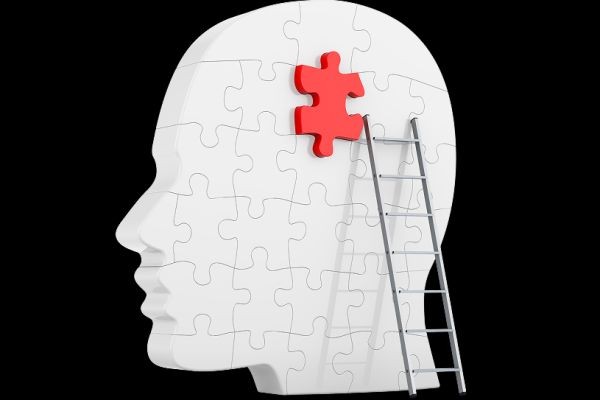
Personality tests have become a common part of modern hiring processes and career development strategies. Employers, recruiters, and career coaches increasingly rely on them to understand how individuals think, behave, and interact in workplace environments. These assessments are not just used to judge candidates but also to predict job performance, improve team dynamics, and guide long term career planning. This raises a practical concern for many job seekers: How Do You Pass A Personality Test For A Job and what role do these tests actually play in hiring decisions?
To understand their use, it is important to first recognize what personality tests aim to measure. Personality refers to the consistent patterns of thoughts, emotions, and behaviors that define how a person responds to different situations. Unlike skills or qualifications, personality traits are not about what someone knows but about how they tend to behave under various conditions. Employers use this information to determine whether a candidate is a good fit for a specific role or company culture.
One of the most common uses of personality tests in hiring is candidate screening. Before conducting interviews, some organizations ask applicants to complete personality assessments. These tests help recruiters narrow down large pools of candidates by identifying individuals whose traits align with job requirements. For example, a sales position may require high extraversion, confidence, and communication skills, while a research role may prioritize conscientiousness, focus, and attention to detail.
Another important use is predicting job performance. Research in industrial and organizational psychology has shown that certain personality traits are linked to success in specific types of work. For instance, conscientiousness is strongly associated with reliability, productivity, and goal achievement. Employees who score high in this trait are often more organized and dependable. Similarly, emotional stability is linked to better stress management and resilience in high pressure environments.
Personality tests are also widely used for team building. Employers want to create balanced teams where members complement each other’s strengths and weaknesses. By understanding personality profiles, managers can assign roles more effectively and reduce workplace conflicts. For example, a team with a mix of creative thinkers, detail oriented planners, and strong communicators is often more effective than a group of individuals with similar traits.
In addition to hiring, personality tests play a significant role in career planning and development. Career counselors often use these assessments to help individuals understand their strengths, weaknesses, and natural preferences. This information can guide people toward careers that match their personality traits, leading to greater job satisfaction and long term success. For example, someone with high openness may thrive in creative fields, while someone with high conscientiousness may prefer structured environments such as finance or administration.
Large organizations also use personality tests for employee development. These assessments help identify areas where employees can improve or grow. For instance, an employee with strong technical skills but low communication ability may receive training in interpersonal skills. Similarly, someone with high leadership potential may be guided toward management development programs. In this way, personality tests are not just about selection but also about growth.
There are several types of personality tests used in professional settings. One of the most well known is the Big Five personality model, which measures five key traits: openness, conscientiousness, extraversion, agreeableness, and neuroticism. This model is widely respected in psychology because it is based on extensive research and has been shown to be consistent across cultures.
Another popular tool is the Myers Briggs Type Indicator, often referred to as MBTI. This test categorizes individuals into sixteen personality types based on preferences such as introversion versus extraversion and thinking versus feeling. While MBTI is widely used in corporate training and workshops, it has been criticized by psychologists for lacking strong scientific reliability. Despite this, many organizations still find it useful for communication and team building exercises.
Other assessments include situational judgment tests, behavioral questionnaires, and emotional intelligence tests. Each of these tools focuses on different aspects of personality and workplace behavior. Together, they provide employers with a more complete picture of a candidate or employee.
Now, from a job seeker’s perspective, a common concern is how do you pass a personality test for a job The first thing to understand is that personality tests are not traditional exams with right or wrong answers. There is no single correct way to pass them. Instead, these tests are designed to evaluate how well your natural tendencies align with the job role.
Because of this, the best approach is honesty. Employers are not necessarily looking for perfect scores but for consistency and fit. Attempting to manipulate answers can be risky because many personality tests include built in consistency checks that detect contradictory responses. If the system detects dishonesty, it may raise red flags during the hiring process.
However, understanding the job role can help you approach the test more effectively. Different roles require different personality traits. For example, customer service jobs often value patience, empathy, and communication skills. Technical roles may prioritize focus, accuracy, and problem solving ability. Leadership roles often require confidence, decision making ability, and emotional intelligence. Being aware of these expectations allows you to reflect honestly on whether your natural traits match the role.
It is also important to remember that personality tests are just one part of the hiring process. Most employers do not rely solely on these assessments. They are usually combined with interviews, skill tests, and work experience evaluations. A personality test result that is not ideal does not automatically disqualify a candidate if they demonstrate strong skills and qualifications in other areas.
From the employer’s perspective, personality tests help reduce hiring mistakes. Hiring the wrong person can be costly in terms of time, training, and productivity. By using personality assessments, companies aim to improve the chances of selecting candidates who will perform well and stay longer in their roles. This is particularly important in competitive industries where employee turnover can be expensive.
In career planning, personality tests can also help individuals make informed decisions about their future. Many people struggle to choose the right career path because they are unsure of their strengths or interests. Personality assessments provide a structured way to explore these factors. For example, someone who scores high in openness and creativity may be encouraged to explore careers in design, writing, or innovation driven fields. Someone with high conscientiousness and analytical thinking may be better suited for accounting, engineering, or project management.
Despite their usefulness, personality tests are not perfect. One limitation is that they rely on self reporting, which means individuals answer questions about themselves. This can lead to bias because people may not always be fully aware of their behavior or may respond in ways they think are socially desirable. This can affect the accuracy of results.
Another limitation is that personality is not fixed. While certain traits tend to remain stable over time, people can change and adapt based on experiences, environment, and personal growth. A test taken at one point in time may not fully reflect future behavior or development potential.
Cultural differences can also influence personality test results. Behaviors considered desirable in one culture may be interpreted differently in another. This can affect how individuals respond to questions and how their results are evaluated by employers.
In conclusion, personality tests play an important role in hiring and career planning by helping employers understand candidate behavior, improve team dynamics, and predict job performance. They are also valuable tools for individuals seeking to understand their strengths and choose suitable career paths. However, they should not be seen as absolute measures of ability or potential.
When considering How Do You Pass A Personality Test For A Job, the most effective approach is to answer honestly and consistently while understanding the expectations of the role. Personality tests are not about passing or failing but about finding the right fit between individuals and jobs. When used correctly, they can benefit both employers and employees by creating more productive, satisfying, and long lasting work relationships.






