
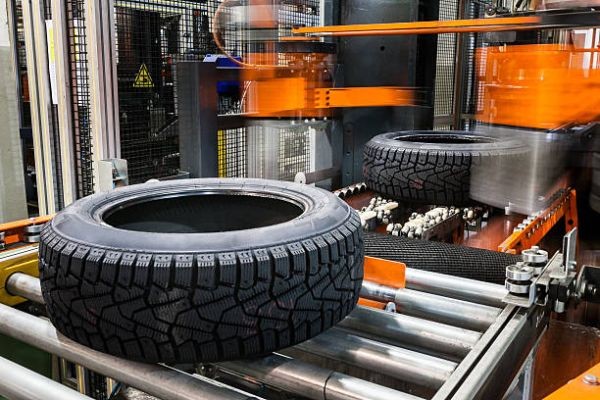
Portugal’s tire sector is evolving alongside broader changes in the country’s automotive landscape. Vehicle ownership patterns, increasing attention to road safety, the gradual adoption of electric vehicles (EVs), and sustainability initiatives are reshaping how consumers and businesses approach tire selection. Rather than being influenced solely by new vehicle sales, demand is increasingly driven by replacement cycles, technological advancements, and the need for tires that improve efficiency and performance.
According to a study published by MarkNtel Advisors, Portugal’s tire sector is supported by replacement demand, advancements in tire technology, and changing mobility preferences across passenger and commercial vehicles. These factors continue to influence purchasing decisions as motorists prioritise safety, durability, and long-term operating efficiency.
Portugal’s automotive industry also remains an important contributor to the national economy, with vehicle manufacturing and component production supporting a strong aftermarket ecosystem that includes tire sales and services. As electrification gains momentum, tire manufacturers are adapting their product portfolios to meet new vehicle requirements.
Replacement Tires Continue to Drive Demand
A significant portion of tire demand in Portugal comes from the replacement segment. Every vehicle requires periodic tire replacement depending on mileage, driving conditions, and maintenance practices. This creates recurring demand regardless of fluctuations in new vehicle registrations.
Portuguese motorists are becoming more aware that maintaining quality tires contributes to shorter braking distances, improved fuel efficiency, and enhanced driving comfort. Regular inspections and timely replacements have become increasingly important as drivers seek to maximise vehicle performance while complying with safety recommendations.
According to insights presented by MarkNtel Advisors, replacement demand remains one of the primary factors supporting activity across Portugal’s tire sector as the country’s vehicle fleet continues to require ongoing maintenance.
Sustainability Is Influencing Tire Development
Environmental considerations are becoming more important throughout Europe, and Portugal is no exception. Tire manufacturers are investing in materials and production processes that reduce environmental impact while maintaining performance standards. Low rolling resistance tires, recyclable materials, and longer-lasting products are receiving greater attention from both manufacturers and consumers.
The European Union’s tyre labelling regulation also enables buyers to compare products based on fuel efficiency, wet grip performance, and external rolling noise, making purchasing decisions more transparent and encouraging sustainable choices.
Electric Vehicles Create New Opportunities
Portugal’s growing adoption of electric vehicles is creating demand for specialised tires designed to support the unique characteristics of EVs. Electric vehicles typically require tires capable of handling higher torque, increased vehicle weight, and lower rolling resistance while minimising road noise.
Manufacturers are responding by developing products that deliver enhanced durability, improved energy efficiency, and quieter driving experiences. As electric mobility expands across Portugal, EV-compatible tire technologies are expected to become an increasingly important product category.
Recent automotive industry data also shows that electrification is becoming an important part of Portugal’s transportation strategy, encouraging innovation throughout the automotive supply chain.
Commercial Fleets Focus on Operating Efficiency
Portugal’s logistics and freight sectors rely heavily on road transportation, making commercial tires a critical component of operational performance. Fleet operators increasingly evaluate tires based on total lifecycle value rather than initial purchase costs.
Durability, fuel efficiency, retreadability, and predictable maintenance schedules have become key purchasing criteria. Digital tire monitoring technologies, including tire pressure monitoring systems (TPMS), are also helping fleet managers improve vehicle uptime while reducing operating expenses.
This growing emphasis on efficiency continues to encourage manufacturers to introduce commercial tire solutions that balance performance with long-term cost savings.
Digital Channels Are Changing Buying Behaviour
The tire purchasing journey has become increasingly digital. Many Portuguese consumers now compare products online before making purchasing decisions. They review specifications, performance ratings, customer feedback, and seasonal suitability before scheduling installation through authorised retailers or service centres.
Online platforms have simplified product comparisons while allowing consumers to identify tires that match their driving habits and budgets. Digital appointment scheduling has also improved convenience, making tire replacement a more streamlined experience.
Retailers that successfully combine online information with professional installation services are strengthening customer engagement while improving purchasing confidence.
Innovation Is Enhancing Tire Performance
Modern tire technologies continue to evolve through advances in rubber compounds, tread patterns, and manufacturing techniques. These improvements are helping manufacturers develop tires that offer stronger wet-weather grip, reduced braking distances, improved durability, and lower rolling resistance.
Manufacturers are also investing in intelligent tire technologies that integrate with vehicle safety systems, enabling better pressure monitoring and predictive maintenance. Such innovations support safer driving while improving fuel economy and extending tire lifespan.
According to MarkNtel Advisors, technological innovation continues to shape product development as manufacturers adapt to changing vehicle technologies and evolving consumer expectations.
Outlook
Portugal’s tire sector is expected to remain closely connected to developments in vehicle technology, sustainability policies, and changing consumer preferences. Replacement demand will continue to provide a stable foundation, while electrification, digital retail channels, and advanced tire technologies create new opportunities for manufacturers and retailers alike.
As drivers increasingly prioritise safety, efficiency, and environmental responsibility, tire manufacturers are expected to continue introducing products that deliver stronger performance across both conventional and electric vehicles. Together, these developments position Portugal’s tire sector to support the country’s evolving mobility landscape while meeting the changing requirements of individual motorists and commercial fleet operators.






