
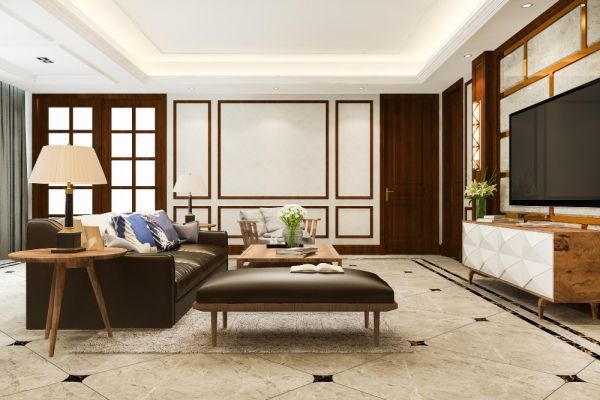
Residential interior design is not about copying Pinterest boards or filling rooms with expensive furniture. It’s about understanding how people live, move, rest, work, and connect inside their homes. At Anurama Furnico, we’ve seen one simple truth repeat itself across homes of all sizes: a well-designed space quietly improves everyday life.
This blog shares what residential interior design truly means in the real world beyond trends, beyond catalog photos, and beyond surface beauty.
What Residential Interior Design Really Involves
Residential interior design is the art and planning of interior spaces for homes apartments, villas, duplexes, and independent houses. But in practice, it’s far more layered.
It includes:
-
How light enters a room in the morning
-
Where storage is needed but never noticed
-
Furniture that fits both the room and the people using it
-
Materials that age well, not just photograph well
A good residential interior designer thinks about life before design. How many people live here? Do they work from home? Are there children? Elderly parents? Pets? These questions shape every decision that follows.
A Real Example: Same Apartment, Two Very Different Homes
We once worked on two 3BHK apartments in the same building, same floor plan, same size.
One family wanted open spaces, minimal furniture, and calm colors. Their living room became a relaxed, uncluttered zone with low seating, soft lighting, and concealed storage.
The other family needed defined zones, more seating, and heavy storage. For them, the same living room had a statement sofa, structured cabinetry, and layered lighting.
The layout didn’t change. The design thinking did.
That’s residential interior design responding to people, not blueprints.
Key Elements That Shape a Well-Designed Home
1. Space Planning That Feels Natural
Good space planning means:
-
You don’t bump into furniture
-
Movement feels effortless
-
Rooms feel larger without actually being bigger
It’s about proportions, circulation, and balance not squeezing in everything you like.
2. Furniture That Belongs, Not Just Fits
At Anurama Furnico, we design and manufacture furniture with a purpose. Every piece should:
-
Match the scale of the room
-
Serve more than one function where possible
-
Feel comfortable in daily use, not just visually appealing
A sofa should invite you to sit, not impress you from afar.
3. Materials Chosen for Real Life
Homes are lived in. Spills happen. Sunlight fades surfaces. Children climb. Pets scratch.
That’s why residential interior design must consider:
-
Durable finishes
-
Easy-to-maintain materials
-
Long-term performance, not short-term shine
Luxury, when done right, lasts quietly.
4. Lighting That Changes the Mood
Lighting can make or break a home.
A well-designed residential interior uses:
-
Natural light wherever possible
-
Soft ambient lighting for evenings
-
Task lighting where work actually happens
One ceiling light is never enough.
The Difference Between Trend-Driven and Timeless Design
Trends come and go. Homes stay.
We often advise clients to use trends lightly:
-
In cushions, art, or décor
-
In paint colors that can be changed
-
In accessories, not core furniture
Timeless design focuses on:
-
Clean lines
-
Balanced layouts
-
Neutral foundations with personal touches
This approach keeps homes relevant for years, not seasons.
Why Custom Residential Interiors Make Sense
Off-the-shelf solutions rarely consider the awkward corner, the low ceiling beam, or the exact storage needs of a family.
Custom residential interiors allow:
-
Better use of available space
-
Furniture that fits perfectly
-
Design that reflects personal lifestyle
At Anurama Furnico, customization is not an upgrade it’s the foundation of good design.
Common Mistakes Homeowners Make (and How to Avoid Them)
-
Designing before understanding usage
Looks good, doesn’t work. -
Over-furnishing spaces
Empty space is not wasted space. -
Ignoring storage early
Clutter is often a design failure, not a lifestyle issue. -
Choosing style over comfort
A home should support daily life, not fight it.
FAQs on Residential Interior Design
Q1. When should interior design planning start?
Ideally, during or even before construction. Early planning saves money and avoids compromises later.
Q2. Is residential interior design only for luxury homes?
No. Good design is about smart decisions, not expensive ones. Even compact homes benefit from thoughtful interiors.
Q3. How long does a full residential interior project take?
It depends on size and customization, but quality design and execution always take time. Rushing shows in the final result.
Q4. Can furniture be designed specifically for my home?
Yes. Custom furniture ensures better fit, comfort, and longevity something mass production can’t match.
Why Residential Interior Design Is an Investment, Not an Expense
A well-designed home:
-
Reduces daily stress
-
Improves functionality
-
Holds long-term value
-
Feels personal and meaningful
You live in your home every single day. Design decisions quietly shape those days.
Final Thoughts
Residential interior design is not about making homes look expensive. It’s about making them feel right.
At Anurama Furnico, we approach every home with respect for space, for lifestyle, and for the people who live there. When design is thoughtful, furniture feels natural, and spaces flow with ease, a house stops being a structure and starts becoming a home.
That’s the difference real residential interior design makes.






