
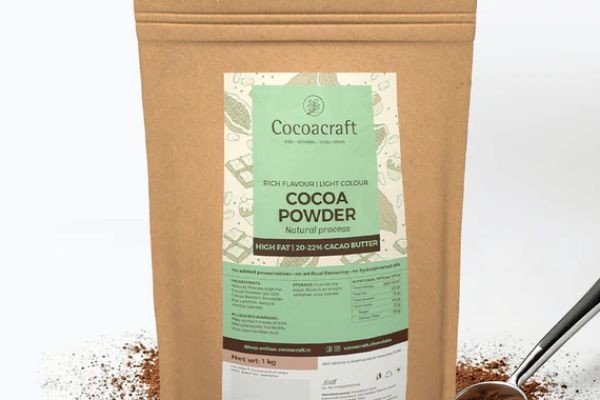
Whether you're baking a rich chocolate cake, preparing a comforting hot beverage, or creating gourmet desserts, selecting the right chocolate ingredient plays a major role in the final outcome. Different recipes require different cocoa products, and understanding their characteristics can significantly improve flavor, texture, and appearance. Choosing the right chocolate powder is not just about picking any product from the shelf, it involves considering quality, intended use, and recipe requirements. Likewise, complementary ingredients like cocoa nibs can elevate both taste and presentation, making every chocolate creation more enjoyable and professional.
Why Choosing the Right Chocolate Powder Matters
The success of a chocolate-based recipe depends heavily on the quality and type of chocolate ingredient used. Premium chocolate ingredients deliver better flavor, smoother texture, and more consistent results than lower-quality alternatives.
Different recipes have different requirements. A rich cake batter may need a deeply flavored cocoa product, while a beverage may benefit from a smoother, lighter option. Understanding these differences helps ensure excellent results every time.
Benefits of Choosing Wisely
- Better flavor balance
- Improved texture
- Consistent baking performance
- Enhanced visual appeal
- More satisfying finished products
Step 1: Understand the Purpose of Your Recipe
Before selecting your ingredients, consider what you're making. Every recipe has unique needs, and the chocolate ingredient should complement those requirements.
Baking
For cakes, brownies, muffins, and cookies, the chocolate ingredient should provide deep cocoa flavor while blending smoothly with flour and other dry ingredients.
Beverages
For hot chocolate, milkshakes, smoothies, and specialty drinks, choose a product that dissolves easily and delivers a creamy taste.
Desserts
For mousses, puddings, frostings, and fillings, smooth consistency and rich flavor are essential.
Matching the ingredient to the recipe creates more reliable and delicious results.
Step 2: Evaluate the Quality of the Ingredients
Not all cocoa products are created equal. High-quality ingredients generally produce superior flavor, aroma, and texture.
When selecting chocolate powder, look for products made with carefully processed cocoa that preserve the natural richness of chocolate. Premium ingredients usually provide a cleaner taste without excessive bitterness or artificial flavors.
Signs of Good Quality
- Rich cocoa aroma
- Fine, smooth texture
- Deep natural color
- Consistent quality
- Balanced flavor profile
Quality ingredients often require fewer adjustments during baking because they perform more predictably.
Step 3: Consider the Flavor Profile
Every chocolate recipe has its own flavor goals. Some desserts require bold chocolate intensity, while others need a milder cocoa taste.
Choosing the right chocolate ingredient allows you to achieve the desired balance between sweetness and cocoa richness.
Questions to Ask
- Should chocolate be the dominant flavor?
- Is the recipe meant to be lightly flavored?
- Will other ingredients compete with the chocolate?
Answering these questions helps narrow down the best ingredient for the job.
Step 4: Think About Texture
Texture is just as important as flavor. Fine cocoa ingredients blend more evenly into batters, doughs, and beverages, creating smoother results.
Premium chocolate powder mixes easily with dry and wet ingredients, reducing lumps and improving consistency throughout the recipe.
Why Texture Matters
- Smooth cake batter
- Creamier beverages
- Better dessert consistency
- Even distribution of chocolate flavor
A fine-textured product can make preparation easier while enhancing the final presentation.
Step 5: Enhance Recipes with Cocoa Nibs
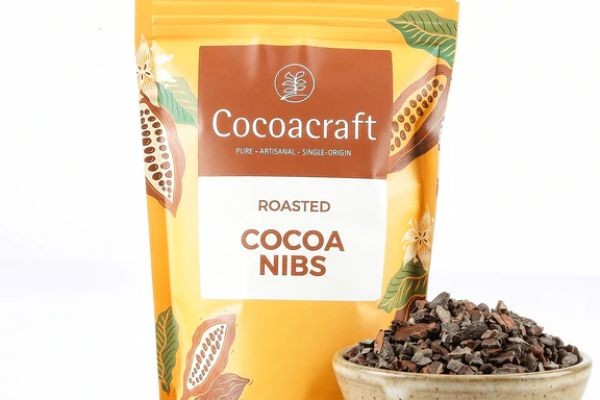
Many home bakers and professional chefs use cocoa nibs to add texture and visual appeal to chocolate creations.
Unlike processed chocolate, cocoa nibs provide crunchy pieces of roasted cocoa beans that contribute an intense cocoa flavor without excessive sweetness.
Ways to Use Cocoa Nibs
Sprinkle Over Desserts
Use them as a topping for cakes, brownies, ice cream, or mousse.
Mix Into Cookie Dough
They add crunch and deepen the chocolate experience.
Garnish Beverages
Hot chocolate and specialty coffee drinks benefit from their attractive appearance and bold flavor.
Used thoughtfully, cocoa nibs can transform simple recipes into gourmet creations.
Step 6: Match the Ingredient to the Cooking Method
Different preparation methods affect how chocolate ingredients perform.
Baking
Choose ingredients that remain stable during high temperatures.
Mixing
For frostings and fillings, smooth blending is essential.
Decorating
Crunchy ingredients work well as finishing touches.
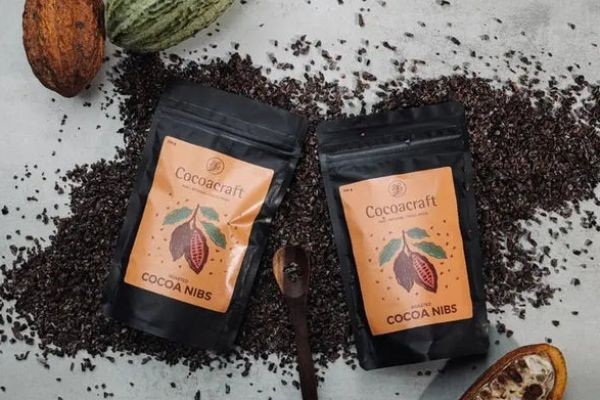
Professional bakers often combine smooth cocoa products with cocoa nibs to create recipes that offer both creamy texture and delightful crunch.
Matching ingredients to preparation methods ensures the best possible outcome.
Step 7: Store Chocolate Ingredients Properly
Even premium ingredients can lose quality if stored incorrectly.
Proper storage helps preserve flavor, aroma, and freshness.
Best Storage Practices
- Keep in an airtight container.
- Store in a cool, dry place.
- Avoid direct sunlight.
- Keep away from moisture.
- Use clean utensils when handling.
These simple practices help maintain ingredient quality for future recipes.
Step 8: Experiment to Find Your Preferred Style
Chocolate recipes offer endless opportunities for creativity. Don't be afraid to experiment with ingredient combinations to discover what works best for your preferences.
Try adjusting the quantity of cocoa used in recipes or combining smooth chocolate ingredients with crunchy toppings for added contrast.
Experimentation helps develop confidence in baking while producing unique and memorable desserts.
Creative Ideas
- Add cocoa nibs to granola.
- Sprinkle them over yogurt.
- Mix them into trail mixes.
- Use them as dessert garnishes.
- Blend chocolate ingredients into smoothies.
Exploring different techniques allows every recipe to become more enjoyable and personalized.
Common Mistakes to Avoid
Choosing the wrong ingredient can affect both flavor and texture.
Avoid These Errors
- Selecting ingredients based only on price
- Ignoring recipe recommendations
- Using stale cocoa products
- Storing ingredients improperly
- Overpowering recipes with excessive cocoa
Careful ingredient selection and proper handling help ensure consistently excellent results.
Conclusion
Choosing the right chocolate powder begins with understanding your recipe, evaluating ingredient quality, and considering flavor, texture, and preparation methods. Adding complementary ingredients like cocoa nibs can further enhance both presentation and taste, creating desserts and beverages that feel more refined and satisfying. With thoughtful selection and proper use, every chocolate recipe can deliver exceptional results. Cocoacraft reflects these qualities through its range of pure, artisanal, and single-origin chocolates from Kerala, offering premium products for chocolate lovers, home bakers, professional chefs, and anyone seeking an elevated chocolate experience.






