
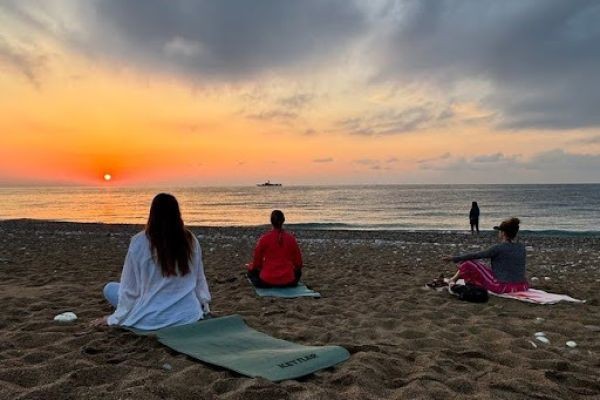
Choosing a retreat becomes easier when there is clarity on why you want to go. Some people are looking for calm, others want structure in daily practice, and many are simply trying to understand meditation in a practical way. That intention helps you filter options like a Yoga meditation retreat in India that actually fits your current state of mind and lifestyle.
It helps to be honest about what you are hoping to take back. It could be steadier emotions, better focus, or a simple routine that supports inner balance.
Understand the different formats available
Retreats come in different styles, and each one serves a different need.
You’ll usually come across:
- Short wellness stays focus on rest and relaxation
- Structured spiritual programmes with guided practice
- Intensive residential meditation retreat formats
- Learning-based meditation courses that build step by step
For beginners, shorter experiences feel more manageable. For those who already practice, longer meditation retreats offer space to go deeper without rushing the process.
Check the environment and setting
The place where a retreat is held has a strong influence on the overall experience. Quiet surroundings, simple living, and access to nature help the mind slow down naturally.
Many seekers exploring meditation retreats in India prefer centres that are away from city noise and built for stillness. One example is Shrimad Rajchandra Mission Dharampur (SRMD), where their residential campus in Gujarat is designed around simplicity and structured daily rhythm. The environment supports reflection, with limited distractions and a focus on mindful living.
Look into the teaching style
Every retreat follows a different approach to yoga and meditation. Some are rooted in traditional practices, while others bring in modern mindfulness techniques.
It helps to observe:
- The experience and clarity of teachers
- The philosophy behind the practice
- How sessions are guided on a daily basis
Places often described as the best meditation centre in India usually maintain consistency in teaching and avoid overwhelming participants with too many methods at once. SRMD, for example, follows a structured approach where guidance is gradual, and practice is built step by step, allowing participants to settle into the process naturally.
Consider emotional and mental needs
Many people attend retreats during periods of stress, overthinking, or emotional fatigue. In such cases, programmes focused on meditation for anxiety can be especially supportive.
These usually include breathwork, simple guided meditation, and relaxation techniques that help settle the nervous system. A good retreat will keep the pace steady and give enough space for adjustment, especially for those who are new to meditation or returning after a break.
Review the daily structure
The daily rhythm gives a clear picture of what your experience will feel like. Some retreats are structured with early morning yoga, meditation sessions throughout the day, and reflection periods in between. Others are lighter and allow more personal time.
It is important to choose a structure that feels realistic. A very packed schedule can feel heavy if you are not used to discipline, while a very loose one may not help build consistency. Balance is key.
Evaluate duration and commitment level
Time plays a big role in how much you absorb from the experience.
Common formats include:
- Weekend or 2–3 day introductory retreats
- 5–7 day immersive programmes
- Longer residential meditation courses with progressive learning
Short stays help you understand the basics, while longer ones give space for practice to settle in properly. Choosing based on availability and mental readiness works better than going only by popularity.
Pay attention to practical details
Small things shape the comfort of your stay more than expected:
- Type of accommodation and basic comfort
- Simple vegetarian meals, often sattvic in nature
- Level of digital disconnection encouraged
- Size of group and personal space available
These details influence how easily you adapt to the environment and focus inward.
A good retreat aligns with where you are mentally and what you are ready to explore. It does not need to feel complicated or overwhelming. When the setting, teaching style, and structure match your needs, the experience becomes more natural.
A thoughtfully chosen Yoga meditation retreat in India can help build stability in daily life, while structured meditation retreats and guided meditation courses support steady progress over time. For those looking for calmer mental states, especially around stress or overthinking, practices like meditation for anxiety offer a practical starting point that fits into real life without pressure.






