
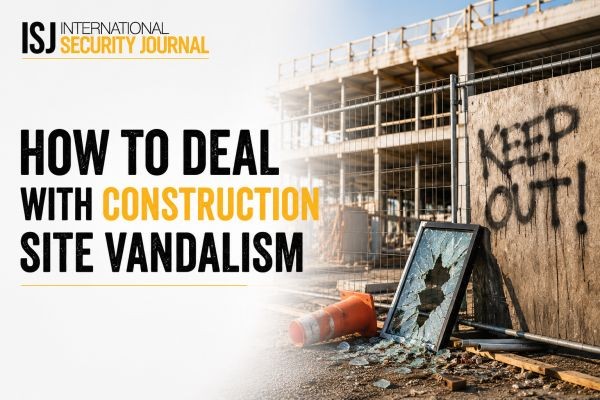
How to Deal With Construction Site Vandalism: 10 Proven Strategies
Construction sites are often exposed to vandalism because they contain valuable equipment, materials, temporary structures, and multiple access points. Damage can result in costly repairs, project delays, equipment downtime, and safety risks. A layered security approach combining physical protection, surveillance, access control, and rapid response can significantly reduce these risks.
What Is Construction Site Vandalism?
Construction site vandalism refers to the intentional destruction, defacement, or unauthorized interference with property, equipment, materials, or structures on a construction site.
Common examples include:
- Graffiti and property defacement
- Damage to construction equipment
- Tampering with machinery or electrical systems
- Destruction of temporary structures
- Damage to fencing, gates, or lighting
- Breaking windows or locks
- Unauthorized entry and deliberate site damage
Unlike ordinary wear and tear, vandalism is intentional and can create both financial and operational consequences for construction companies.
Why Are Construction Sites Vulnerable to Vandalism?
Construction sites can be attractive targets because they are often temporary, partially developed, and difficult to monitor continuously. Several factors increase their vulnerability:
- Open layouts: Large sites can have multiple access points and blind spots.
- Valuable assets: Machinery, tools, fuel, cables, and building materials may be left on-site.
- Limited security: Smaller projects may not have security personnel present around the clock.
- Poor nighttime visibility: Inadequate lighting can create hiding places for intruders.
- Temporary infrastructure: Fences, locks, and access controls may not provide sufficient protection.
- Unoccupied periods: Sites are often quieter outside working hours, making unauthorized activity harder to detect.
Addressing these vulnerabilities before an incident occurs is more effective than relying solely on damage recovery.
10 Proven Strategies to Prevent and Deal With Construction Site Vandalism
From strengthening site boundaries to deploying surveillance and improving incident response, knowing How to Deal With Construction Site Vandalism requires a layered approach that addresses both prevention and rapid response.
1. Secure the Site With Strong Perimeter Fencing
A secure perimeter is one of the first barriers against unauthorized access. Construction sites should use durable fencing around vulnerable areas, with gates positioned at controlled entry points.
Fencing should be inspected regularly for gaps, damaged sections, or areas that could be easily climbed. Gates should remain locked when the site is unattended, and temporary openings should be secured as soon as possible.
For larger sites, dividing the property into controlled zones can provide an additional layer of protection around high-value equipment and materials.
2. Install CCTV and Video Surveillance
CCTV cameras can deter potential vandals while providing valuable evidence if an incident occurs. Cameras should cover entrances, exits, equipment storage areas, material yards, fuel storage, and other high-risk locations.
Rather than installing cameras randomly, conduct a site security assessment to identify blind spots and likely intrusion routes. Modern systems can also provide motion detection, remote access, recording, and alerts when unusual activity is detected.
Visible cameras can act as a deterrent, while strategically positioned cameras can provide broader coverage without leaving critical areas unmonitored.
3. Improve Construction Site Lighting
Poor lighting can make it easier for vandals to enter a site without being noticed. Adequate illumination around gates, walkways, equipment storage areas, parking zones, and building entrances can improve visibility and discourage unauthorized activity.
Motion-activated lighting can be particularly useful in areas that do not need continuous illumination. Lighting should also be positioned carefully so that it supports CCTV coverage rather than creating glare or shadows that obstruct camera views.
4. Implement Access Control
Not everyone working on or visiting a construction site should have unrestricted access. An access control system can help site managers determine who is authorized to enter specific areas.
Depending on the size and security requirements of the project, controls may include:
- Keypad entry
- Electronic access cards
- Smart locks
- Gate controls
- Visitor registration
- Temporary access credentials
Access records can also help investigators determine who entered or exited the site around the time an incident occurred.
5. Use Security Guards and Mobile Patrols
Physical security personnel provide a visible deterrent and can respond directly when suspicious activity is detected. Guards can monitor access points, inspect vulnerable areas, verify visitors, and conduct regular patrols.
For sites that do not require a permanent guard presence, mobile patrols can provide scheduled or random checks during high-risk periods.
Combining physical patrols with CCTV and alarms can create a stronger security layer than relying on guards or technology independently.
6. Secure Equipment, Tools, and Materials
Leaving valuable equipment and materials exposed increases the potential impact of vandalism. Tools should be stored in locked containers, while machinery should be secured when not in use.
Where practical:
- Store portable equipment inside secured areas.
- Use heavy-duty locks and tamper-resistant storage.
- Secure machinery against unauthorized operation.
- Keep high-value materials away from perimeter fencing.
- Maintain an inventory of valuable assets.
Asset tracking can also make it easier to identify missing or damaged equipment after an incident.
7. Use Remote Video Monitoring
Construction sites can be difficult to monitor continuously, particularly outside working hours. Remote video monitoring allows security teams to observe activity without requiring personnel to remain physically present at the site.
Depending on the system, operators can receive alerts when cameras detect movement or other predefined events. Suspicious activity can then be assessed and escalated according to the site's response procedures.
This approach can be particularly useful for large, remote, or multi-site construction projects where continuous physical monitoring is impractical.
8. Display Security Warnings and Signage
Security signage is a simple but useful deterrent. Clearly visible notices can communicate that the property is restricted and monitored.
Signs can indicate:
- CCTV surveillance
- Restricted access
- Private property
- Security patrols
- Trespassing warnings
Signage should be positioned near entrances and other likely access points. While signs cannot replace physical security measures, they can reinforce the overall security strategy and make potential intruders aware that their activity may be detected.
9. Establish an Incident Response Plan
Even strong preventive measures cannot eliminate every security incident. Construction companies should therefore have a documented response plan for vandalism.
The plan should establish who is responsible for:
- Securing the affected area
- Assessing immediate safety risks
- Documenting damage
- Preserving evidence
- Reviewing surveillance footage
- Reporting the incident to relevant authorities
- Contacting insurers when necessary
- Repairing damaged security measures
Workers should know how to report suspicious activity and what they should avoid doing, particularly when evidence may need to be preserved.
10. Conduct Regular Security Assessments
Construction sites change constantly. New structures, equipment, materials, access routes, and temporary work areas can create security vulnerabilities that did not exist during the initial site assessment.
Regular security reviews should examine:
- Perimeter fencing
- Gates and locks
- CCTV coverage
- Lighting
- Access permissions
- Equipment storage
- Blind spots
- Alarm systems
- Previous incidents
Security assessments should also be repeated after significant changes to the site. A flexible security strategy can adapt as the construction project progresses.
What to Do After Construction Site Vandalism Occurs
If vandalism occurs, the priority should be to protect people, secure the site, and preserve evidence.
First, restrict access to the affected area and check whether there are any immediate safety hazards. Damaged electrical equipment, machinery, structures, or exposed materials may create additional risks.
Next, document the incident thoroughly. Take photographs and record the location and extent of the damage. Preserve relevant CCTV footage and access records rather than overwriting or deleting them.
The incident should then be reported to the appropriate authorities and internal stakeholders according to the organization's procedures. Insurance providers may also require specific documentation.
Finally, determine how the incident occurred. Repairing the damage without addressing the underlying security weakness can leave the site vulnerable to another incident.
How Technology Can Strengthen Construction Site Security
Technology can improve both prevention and response by connecting surveillance, access control, alarms, and monitoring capabilities.
AI-enabled video analytics can help identify unusual movement or activity, while remote monitoring can allow security teams to assess incidents without being physically present. Access control systems can create digital records of site entry and exit, while integrated alarms can provide faster notification of potential security events.
However, technology should not be treated as a standalone solution. Cameras cannot compensate for an unsecured perimeter, and access control cannot replace an effective incident response process. The strongest approach combines technology with physical security and clearly defined procedures.
Benefits of a Proactive Construction Site Security Strategy
A proactive approach can provide several operational and financial benefits:
- Reduced property damage: Stronger deterrents can reduce opportunities for vandalism.
- Lower repair costs: Early detection can limit the scale of damage.
- Fewer project delays: Protecting equipment and infrastructure helps maintain project schedules.
- Better asset protection: Secure storage and controlled access reduce exposure of valuable resources.
- Faster incident response: Defined procedures help teams act quickly when an incident occurs.
- Improved site safety: Preventing unauthorized access also reduces risks associated with people entering hazardous construction areas.
Conclusion
Construction site vandalism can cause more than visible property damage. It can disrupt schedules, increase costs, compromise safety, and delay project completion. Preventing these incidents requires more than a single security measure.
Strong fencing, surveillance, lighting, access control, secure storage, security personnel, remote monitoring, signage, incident response plans, and regular assessments can work together to create a layered defence.
For construction companies reviewing their security strategy, International Security Journal provides industry-focused security insights that can support better-informed decisions around emerging threats, technologies, and protective measures.
FAQs
1. What is the best way to prevent construction site vandalism?
The most effective approach is a layered security strategy combining strong perimeter fencing, CCTV surveillance, adequate lighting, access control, secure equipment storage, monitoring, and regular security assessments.
2. Can CCTV prevent construction site vandalism?
CCTV can help deter vandalism by increasing the likelihood of detection and can provide evidence after an incident. However, cameras work best when combined with physical barriers, lighting, access control, and appropriate response procedures.
3. What should I do if my construction site is vandalized?
Secure the affected area, check for safety hazards, document the damage, preserve CCTV and other evidence, report the incident through the appropriate channels, and identify the security weakness that allowed the vandalism to occur.
4. How can technology improve construction site security?
Remote monitoring, AI-powered video analytics, access control, alarms, and connected surveillance systems can improve detection, visibility, and response. Their effectiveness increases when integrated with physical security measures and trained personnel.






